

News
The News section covers things from local news happening on campus and the community to current events, including major political developments, national and international news stories, and social issues.
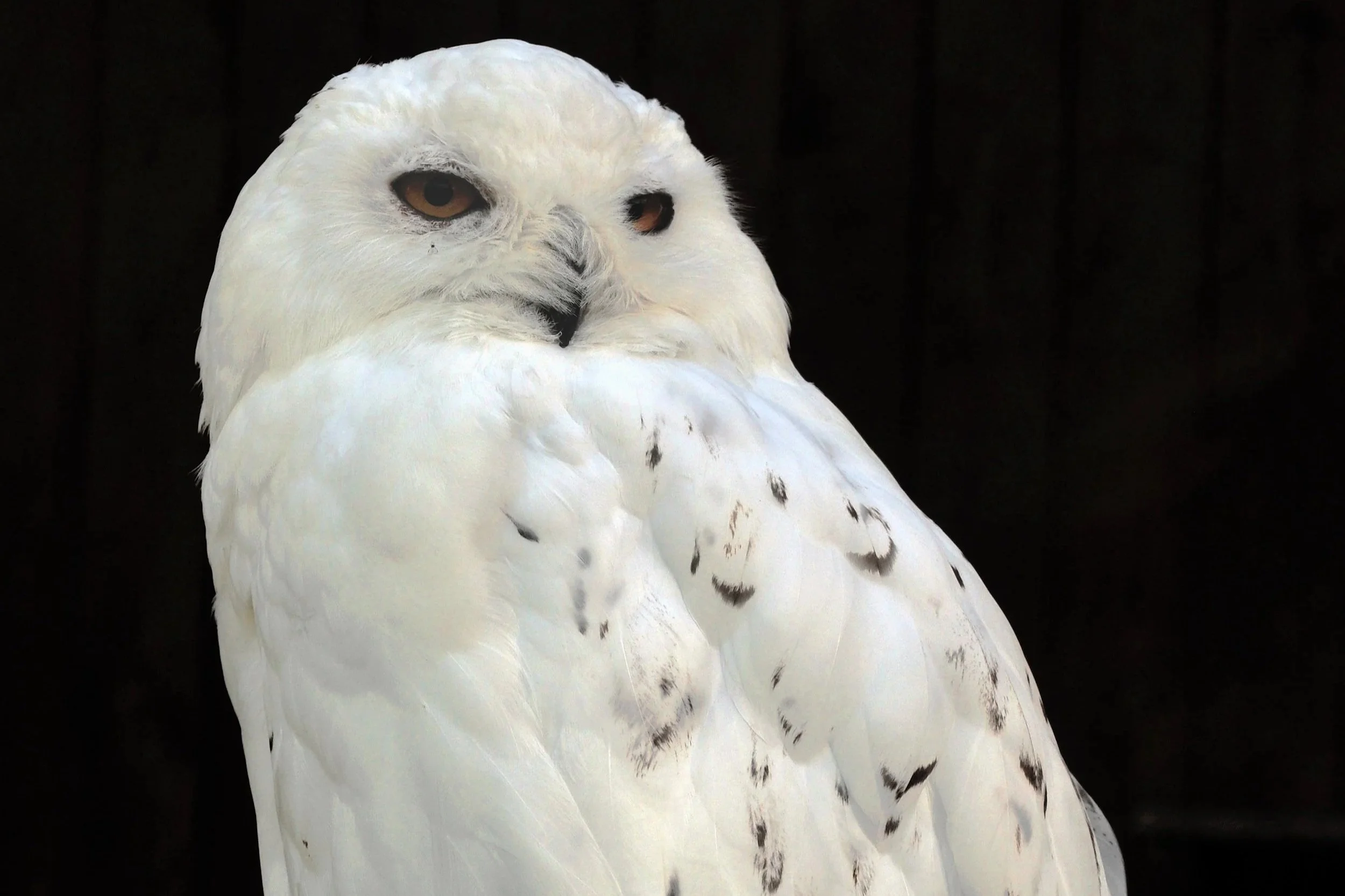
Sustainability Corner: 40 new species granted international protections
An additional 40 animals were added to the list of species offered international protections, after a meeting conducted by the UN Convention on the Conservation of Migratory Species of Wild Animals (CMS), as reported by CBS News.
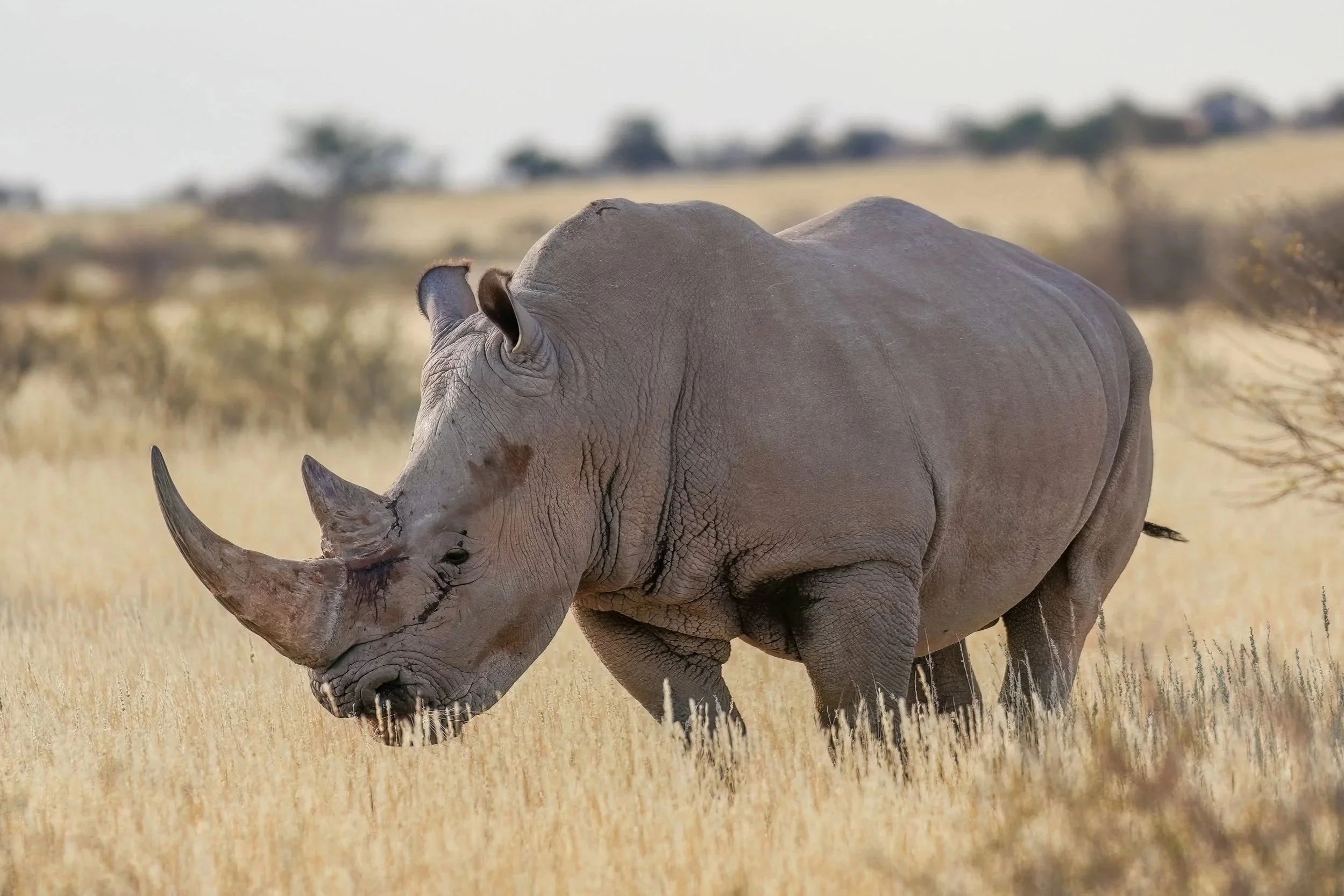
Sustainability Corner: Rhinos reintroduced to Kidepo Valley National Park
Rhinos have returned to Kidepo Valley National Park after 43 years of absence, according to the World Wildlife Fund. AP News reported that the rhinos from Kidepo Valley National Park were killed by poachers, with the last ones being slaughtered in 1983.
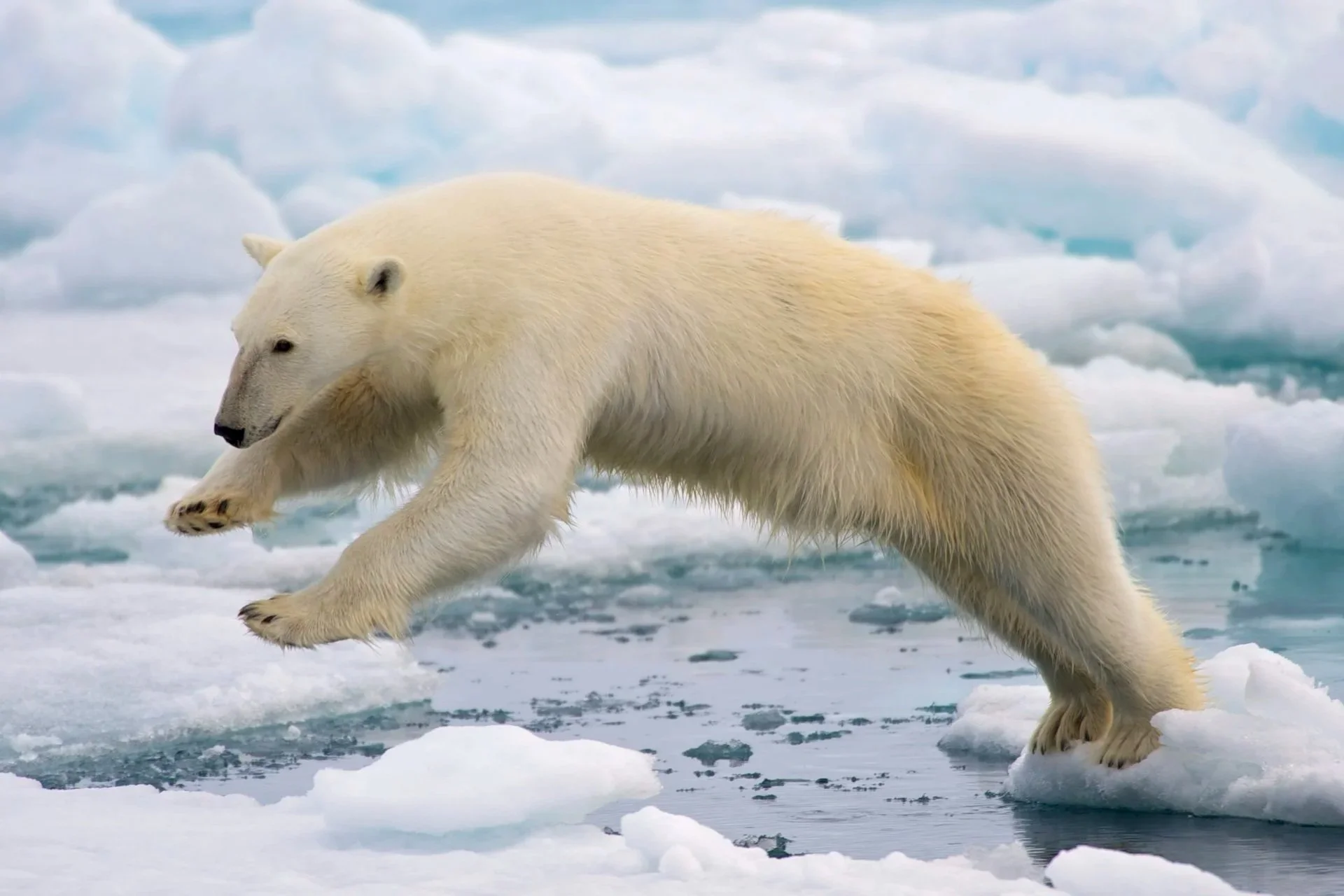
Sustainability Corner: Polar bears facing population decline
Polar bears—one of the most important apex predators in the food chain—are facing population decline amid climate change and loss of habitat. According to the World Wildlife Fund, “The biggest threat to polar bears’ survival is climate change – a warmer Arctic destroys the habitat polar bears need to survive.”
Sustainability Corner: Wood storks to be removed from the endangered species list
After decades of being on the endangered species list, wood storks have finally recovered enough to be removed from the list, according to The Current. The Federal Register states the birds will officially be removed from the Federal List of Endangered and Threatened Wildlife on Mar. 12, 2026.
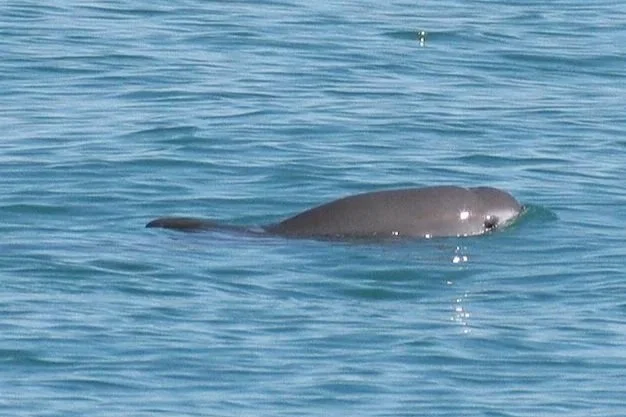
The vaquita porpoise population is hovering near extinction
The vaquita porpoise is known as “the world’s smallest cetacean,” according to the Save the Vaquita website. Unfortunately, the vaquita population has reached dangerously low numbers—with less than 20 of the porpoises in the wild, as detailed by VaquitaCPR.
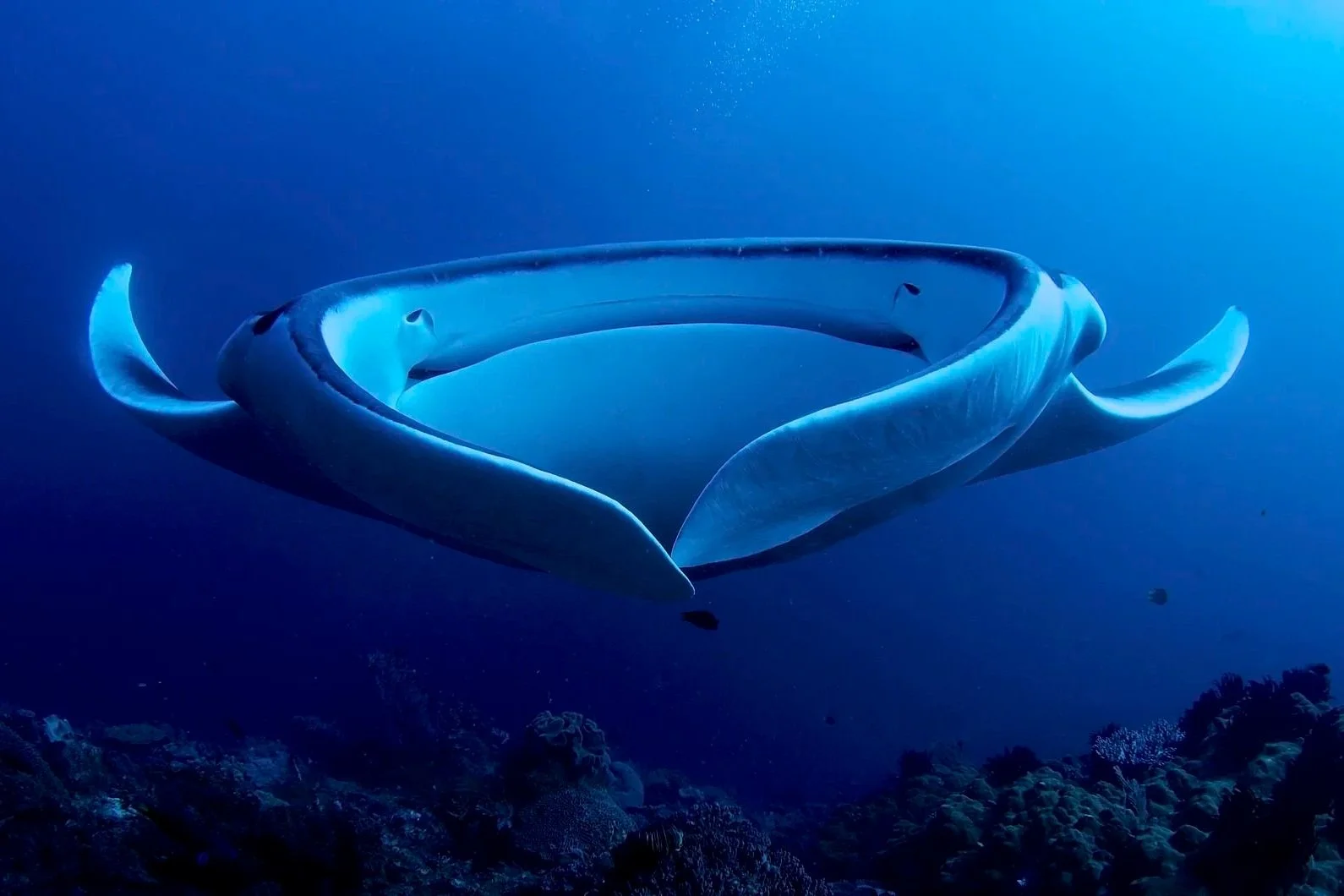
Sustainability Corner: International protections granted to more species of marine life
Recently, multiple marine animals have been granted additional international protections by the Convention on International Trade in Endangered Species of Wild Fauna and Flora (CITES).

Sustainability Corner: Coral reefs and mass bleaching events
Over the last two months, via expansive reports and overhead surveys, AIMS has determined that 2025 marks another coral mass bleaching event; this time, possibly more harrowing than before, as reports have stressed that “while less extensive…it is the second time the Reef has experienced consecutive [yearly, mass bleaching] events.”

Sustainability Corner: College as an investment
On Mar. 26, 2025, SUNY Geneseo was listed in a survey, conducted by Georgetown University in Washington, DC, to have a high return on investment (ROI) for one’s degree.

Sustainability Corner: Ensuring your sources are factually, non-rhetorical based
In a pivot of normal content produced in this column, today, we will be focusing on the issue of source credibility. In order to ensure the news information you receive is factually based, not based on presumptions and possible biases, you must undergo a diligent process that will involve you putting in effort.

Sustainability Corner: How can Geneseo return to being a “Green College”
It is stated on the SUNY Geneseo website that “SUNY Geneseo is one of the nation’s most environmentally responsible colleges, according to The Princeton Review Guide to Green Colleges: 2024 Edition.” While this may be the case, in The Princeton Review Guide to Green Colleges: 2025 Edition, SUNY Geneseo is nowhere to be found— and it acts as a harrowing reminder that the college and its students could be doing more.

Sustainability Corner: Living amidst a potential recession
Living sustainably doesn’t solely extend to reducing, reusing, and recycling products consumed daily. It also crucially focuses on those buying practices that cause excess harm because of their means of production.


Sustainability Corner: How climate change fueled the Southern California wildfires
A recent report by the World Weather Attribution group, which analyzes the influence global warming has on extreme weather events, explained that the recent Southern California wildfires were about 35 percent more probable to occur because of climate change.

Sustainability Corner: Rising Arctic temperatures and its potential effects
The Arctic, which has always been known as an icy and remote wilderness, is undergoing extreme changes as warming in the Arctic continues to increase. Recent news has come out stating that there is drastic warming in the Arctic that could change it beyond recognition— with it now warming four times faster than the global average; climate models also indicate that the decline in sea ice will continue.

Sustainability Corner: How to stay sustainable in an unsustainable time
The Lamron has previously created various articles discussing the potential good an individual can do around them by living and thinking sustainably. Though it is highly recommended to still partake in these activities, this is not that type of article.

Sustainability Corner: Volunteering makes a difference
As the semester comes to a close, remember the opportunities that next semester can bring, especially those unrelated to academics. Whether it be as minute as volunteering for a SUNY Geneseo-sponsored event or taking part in an event outside of the college community, now may be the time for some readers to think about what next they can take part in to better the campus community and the environment as a whole.

Sustainability Corner: The rise of danger in global activism
In a recent PBS interview-based article, the network discussed a growing trend within Latin America and, subsequently, the rest of the world: The killing and brutalizing of activists, specifically indigenous activists.

Sustainability Corner: The progressive slowing of AMOC
In a previous edition of the “Sustainability Corner," we covered the nature of climate breakdown—the accelerated processes of climate change within specific regions—and the effects and causes of this positive feedback loop; this, thereby, has only increased climate change’s efficiency in acting. One of these causes was the slowing of the Atlantic Meridional Overturning Circulation (AMOC), described by the National Ocean Service as “a system of ocean currents that circulates water within the Atlantic Ocean, bringing warm water north and cold water south.”

Sustainability Corner: Hurricane Helene and climate breakdown
In the second issue of this semester's copy of The Lamron, the Sustainability Corner talked in depth about the damaging effects of “climate breakdown.” For a quick understanding of this article and term, this means “...the wide-scale deterioration of a biome—a region’s native weather, animal, and plant life—resulting from human-caused emissions known for region-wide changes in months…climate breakdown is the accelerated, sudden shift towards devastating biome changes…but drastically more brutal form[s]: Wildfires, floods, and systematic breakdowns [infrastructure collapse]...even been cited as affecting processes like thermohaline circulation…”

Sustainability Corner: What is a “climate breakdown?”
As news about environmental issues begins to take a backseat for the upcoming Presidential Election, one keenly prevalent issue has been cited multiple times in recent months: Climate breakdown.