
Sustainability Corner: Rhinos reintroduced to Kidepo Valley National Park
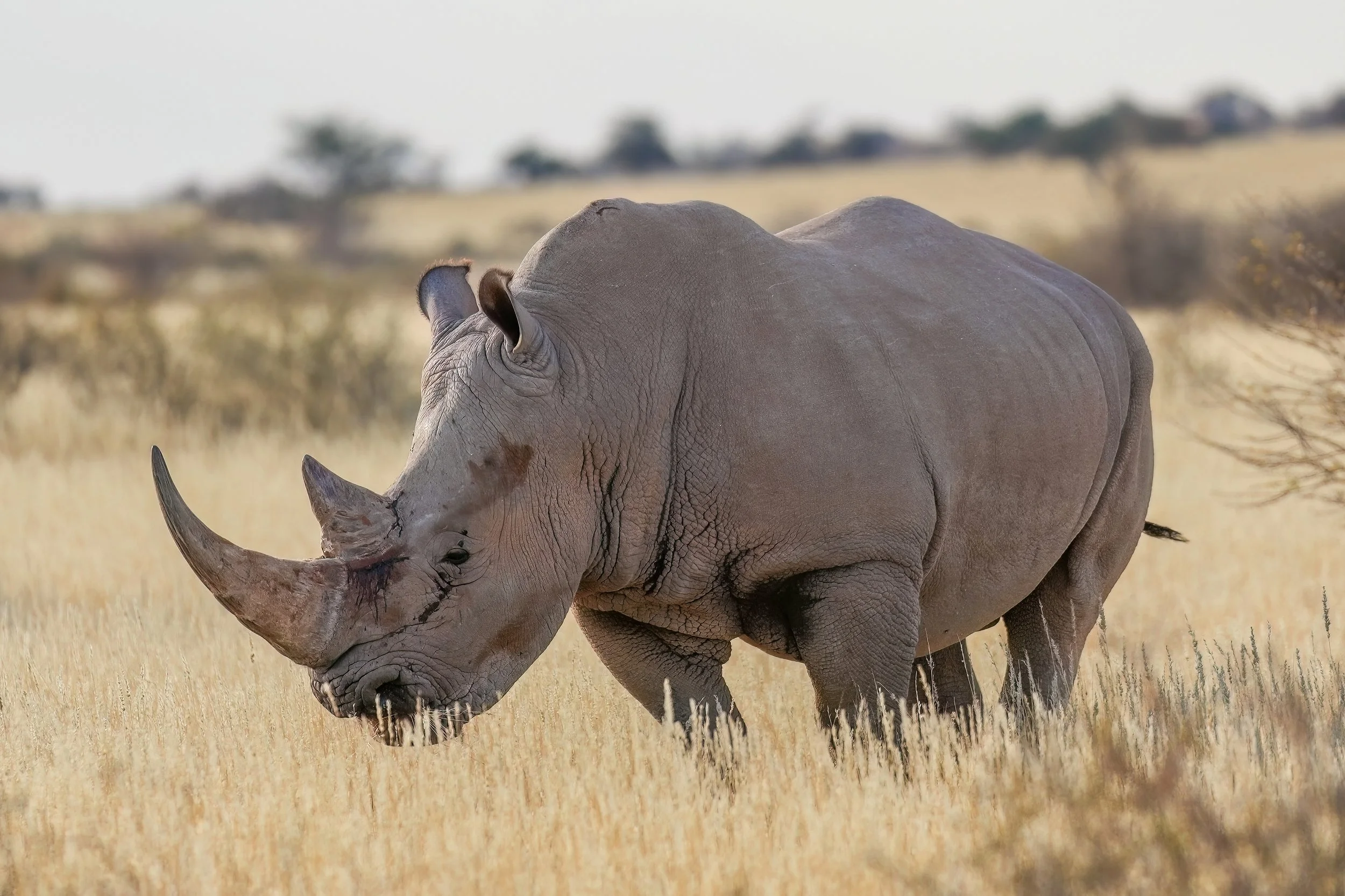
Photo courtesy Giles Laurent/Wikimedia Commons
Rhinos have returned to Kidepo Valley National Park after 43 years of absence, according to the World Wildlife Fund. AP News reported that the rhinos from Kidepo Valley National Park were killed by poachers, with the last ones being slaughtered in 1983. Two southern white rhinos were released into the park, and this is just the beginning of their reintroduction to Uganda, as detailed by Reuters.
The Ziwa Rhino Sanctuary was created in 2005 in order to begin reviving the rhino population in Uganda. The World Wildlife Fund details that through the program, 61 rhinos have been born and will be relocated to suitable environments, like Kidepo Valley National Park. The Ziwa Rhino Sanctuary was originally a cattle farm, but once it was clear that rhinos had gone extinct in Uganda, they decided to transition the property into a “safe haven for rhinos,” according to their official website. The Ziwa Rhino Sanctuary took in six southern white rhinos during 2006 and have worked diligently in growing their population while also ensuring their safety.
James Musinguzi, executive director of the Uganda Wildlife Authority, said, “This moment marks the beginning of a new rhino story for Kidepo Valley National Park…We are deeply grateful to our conservation partners whose technical expertise, financial support and logistical contributions have made this milestone possible,” as stated by AP News.
There are currently around 16,800 white rhinos left roaming the earth and they are classified as “near threatened” according to the World Wildlife Fund. There are five species of rhinos and the white rhino is the only species that is currently not endangered. The World Wildlife Fund also details that the white rhino is commonly found in South Africa, Zimbabwe, Namibia, and Kenya.
“Southern white rhinos… are [a] subspecies of the white rhino,” and most are “under private ownership on rhino farms,” as stated by National Geographic. These protections have successfully enabled the southern white rhino population to grow. The rebound in the southern white rhino population is a positive sign in comparison to other rhino species being endangered, but poaching still remains a large threat to the rhinos, as further explained by National Geographic.
Poaching is a severe problem in Uganda, where many other animal species are being harmed by poaching, as per Reuters. As the rhinos are being reintroduced to Uganda, steps have been taken to protect them from poachers. The New York Post reports that “The rhinos’ new habitat has fence lines, access roads, and fire management infrastructure. More rhinos are expected to be relocated there later this year, including some from Kenya.”
Kidepo Valley National Park is located in a very vulnerable area, especially in regards to the safety of the animals. Reuters reported that “...armed cattle rustlers carry out frequent cross-border raids.” Additionally, the park is near the border of Sudan, which is currently undergoing military unrest and violence. Due to these factors, many safety provisions have been put in place to ensure the safety of the animals and relocation efforts.
The introduction of the rhinos to Uganda also indicates that the country is restoring its tourism appeal. The New York Post reported that Jeff Morgan, executive director of Global Conservation, said, “The rhino translocation ‘shows that Uganda is stable again for tourism, national parks are being protected, and Ugandans and international visitors can watch rhinos in their natural setting, which will be an incredible feat.’”