
Sustainability Corner: 40 new species granted international protections
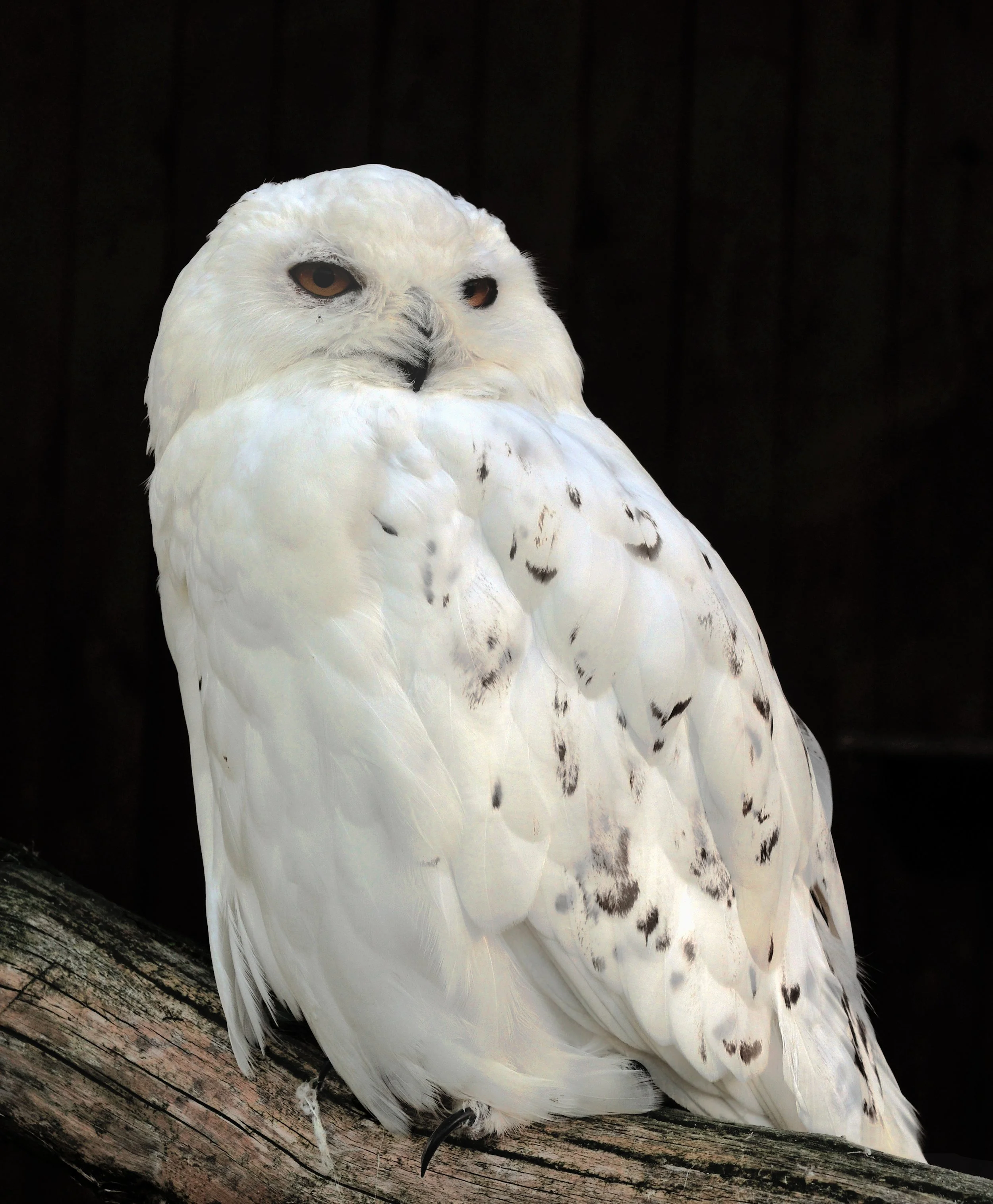
Photo courtesy of Michael Gäbler/Wikimedia Commons
An additional 40 animals were added to the list of species offered international protections, after a meeting conducted by the UN Convention on the Conservation of Migratory Species of Wild Animals (CMS), as reported by CBS News.
All the animals added to the list are currently at risk of extinction, many of them being migratory species. People News reports that the United Nations (UN) wildlife conservation meeting took place in Brazil with 132 representatives from various countries in attendance. Countries that send representatives to the meetings are required to uphold protections and decisions decided by CMS, as detailed by the Miami Herald. CMS stated, “From cheetahs and striped hyenas to snowy owls, giant otters and great hammerhead sharks, CMS Parties have backed stronger international action as new evidence shows many migratory species are moving closer to extinction.”
In a CMS report released prior to the meeting, it was found that “49% of migratory species populations conserved by the global UN treaty are declining, (5% more in just two years), and 24% of species face extinction (2% more).” The report also explains that migratory species are being threatened the most by habitat loss/destruction and overexploitation. Speaking on the findings of the report, CMS Executive Secretary Amy Fraenkel said, “This interim update shows that the alarm is still sounding. Some species are responding to concerted conservation action, but too many continue to face mounting pressures across their migratory routes. We must respond to this evidence with coordinated and effective international action.”
Snowy owls—one of the animals approved for protection—are facing a severe population decline, largely due to human actions. Defenders of Wildlife reports that “oil and gas development” are the primary reason that snowy owls are at risk of extinction. The impact of these threats has left snowy owls with limited nesting areas and food sources.
The cheetah is also among the animals granted further protections. They are commonly referred to as the fastest animal on earth, but their species is currently undergoing serious population loss. Cheetahs only exist in “23 per cent of their historic African range and are extinct in Asia except for a very small population in Iran (fewer than 20),” according to the Cheetah Conservation Fund. Without the presence of cheetahs, ecosystems where they should be thriving would begin to crumble, creating a more devastating environmental impact.
Another animal in need of protection is the great hammerhead shark. They are commonly hunted for their fins in Australia, as stated by the Australian Marine Conservation Society. Hammerhead sharks also have slow reproduction rates, which adds to their chances of extinction. In other areas where hammerhead sharks are prominent, they are often a bycatch of fishing and are caught accidentally, but the damage is still done, according to Planet Forward. Lori McRae, Ph.D. a biology professor at the University of Tampa, said, “Most likely, the folks that hooked the great hammerhead originally were not trying to hook a great hammerhead…Hammerheads are notoriously poor survivors after being hooked…whether it’s on a longline commercial scenario or it’s by a hook-and-line recreational angler.”
As for the success of the new protections, however, Fraenkel went on to say, “We have a baseline. We have better tools. And we have growing public awareness…The question before governments at COP15 is straightforward: will we match this knowledge with the political will and investment needed to secure the future of the world’s migratory species?”