
October skies bring celestial events as people remember Margaret Hamilton
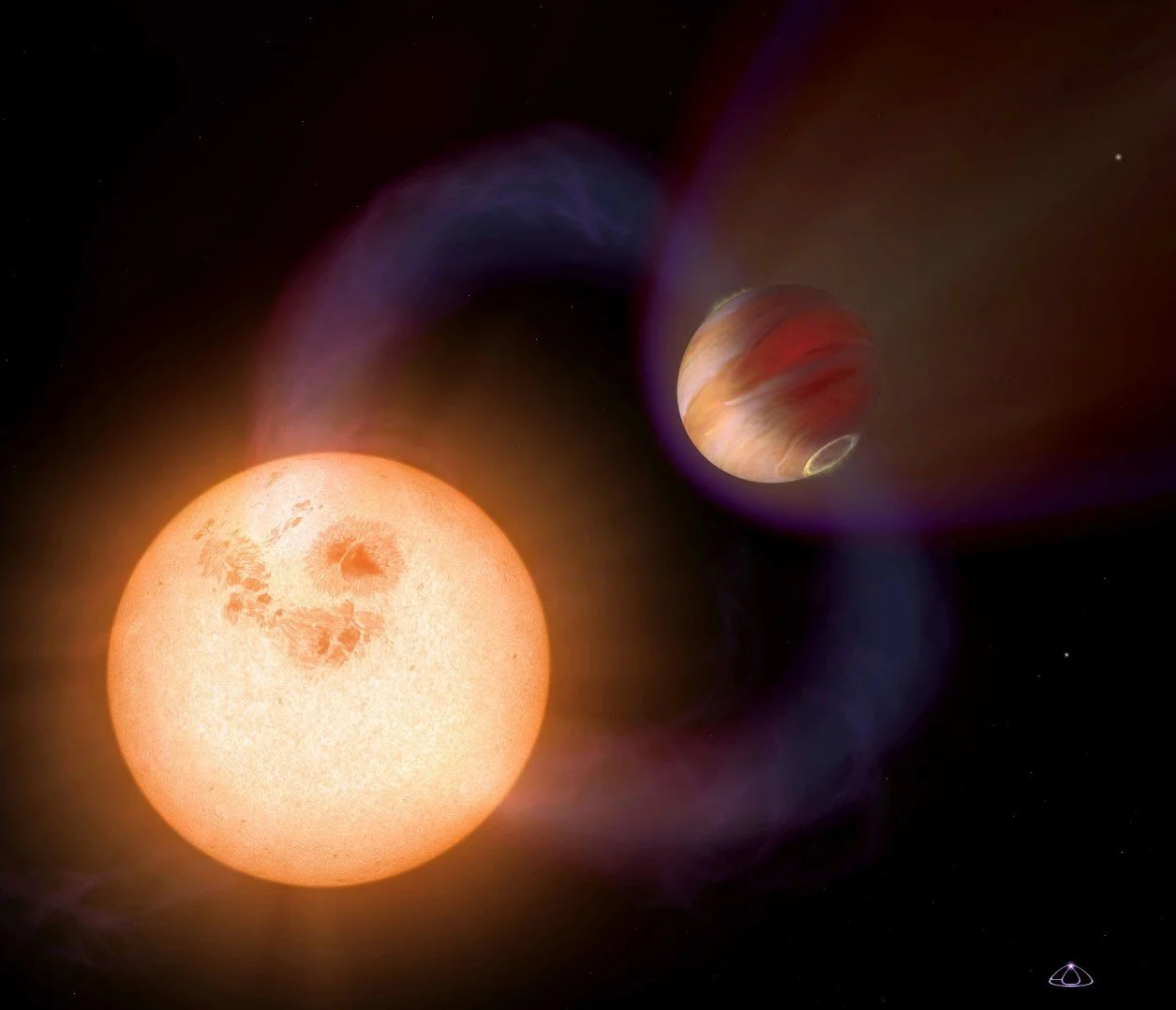
Photo Courtesy of NASA, ESA and A. Schaller- Wikimedia Commons
Many space oddities have been transpiring throughout October. Historically, October is a busy month for space activity and this October has proved no different. With many space events occurring during the entirety of the month, there is always something to look for when looking up at the night sky.
According to The Planetary Society, Oct. 4-10 was World Space Week. This is the “world’s largest annual space event” and the United Nations’ “official celebration of space and the use of technology to help humanity.” Along with World Space Week, Astronomers Without Borders explains that Global Astronomy Month (GAM) is in April. This month-long celebration “brings people together through the shared wonder of the sky.” So, while October is not the month of space recognition, it holds a notable celebration of space.
Many celestial events have happened and there are still many to look forward to in the coming month. According to SeaSky, on Oct. 4, Saturn was at its brightest of the year, making it very visible. Then on Oct. 7, there was a meteor shower called Draconids, “producing only about ten meteors per hour.” The meteor shower “is produced by dust grains left behind by comet 21P Giacobini-Zinner, which was first discovered in 1900.” The annual shower runs from Oct. 6-10 with the peak being on the night of the seventh. The shower itself is unusual due to the visibility being best in the early evening, around 9 p.m., rather than the early morning like many other showers, according to ScienceDaily.
Along with that meteor shower, Oct. 21-22 will bring another when the Orionid meteor shower reaches its peak. This shower is an interesting one with its origin being from Halley’s Comet and anywhere from 3-6 meteors will be visible per hour. Unfortunately, the moon will be in its waxing gibbous phase, meaning the sky will be quite bright. This will cause some struggle for those trying to spot these meteors. Though, around 3 a.m., the conditions will improve when the moon sets, according to ScienceDaily. NASA has also highlighted the moon’s passing near the Pleiades star cluster, also known as the Seven Sisters, on Oct. 27-28. This cluster is rooted in ancient history due to its visibility from almost anywhere in the world.
These significant space occurrences are happening all the way to the end of the month, so keep an eye out for these exciting events.
People like Margaret Hamilton played an influential role in space discovery. We would not have the space knowledge we do today without people like her. BBC reported that Hamilton passed away on Sept. 30, 2026 at the age of 90. She accomplished many things in her life including leading her team in developing “the software for Nasa’s Apollo missions, which coined the term ‘software engineering.’”
During her life, she worked not only at NASA, but also at the Massachusetts Institute of Technology (MIT) from 1959 to the mid-1970s where she ran the Software Engineering Division. There, she “led a team of engineers writing and testing all onboard in-flight software for Nasa’s Apollo 11 project that guided US astronauts Neil Armstrong and Buzz Aldrin to land safely on the Moon.” Hamilton had immense problem-solving skills which she used to improve her work.
As stated by NPR, one day Hamilton brought her four-year-old daughter into the lab, resulting in the infamous “Lauren Error”; her daughter accidentally overloaded one of the systems. Hamilton thought, “Oh my gosh, this is something that could actually happen in outer space. So I better account for this.”"This mother-daughter work day led to technical advancements in her work. Needless to say, Margaret Hamilton worked tirelessly towards her craft and it is important to recognize her work toward understanding the sky we know and love.
From meteor showers to groundbreaking code written by Margaret Hamilton, humans have a deep connection to space both through child-like wonder as well as ingenuity. Next time you have the chance, take a night stroll to view the gorgeous cosmic treats this October and honor trailblazers like Hamilton while you are at it.