
Conduct of local law enforcement and CBP raises questions about collusion
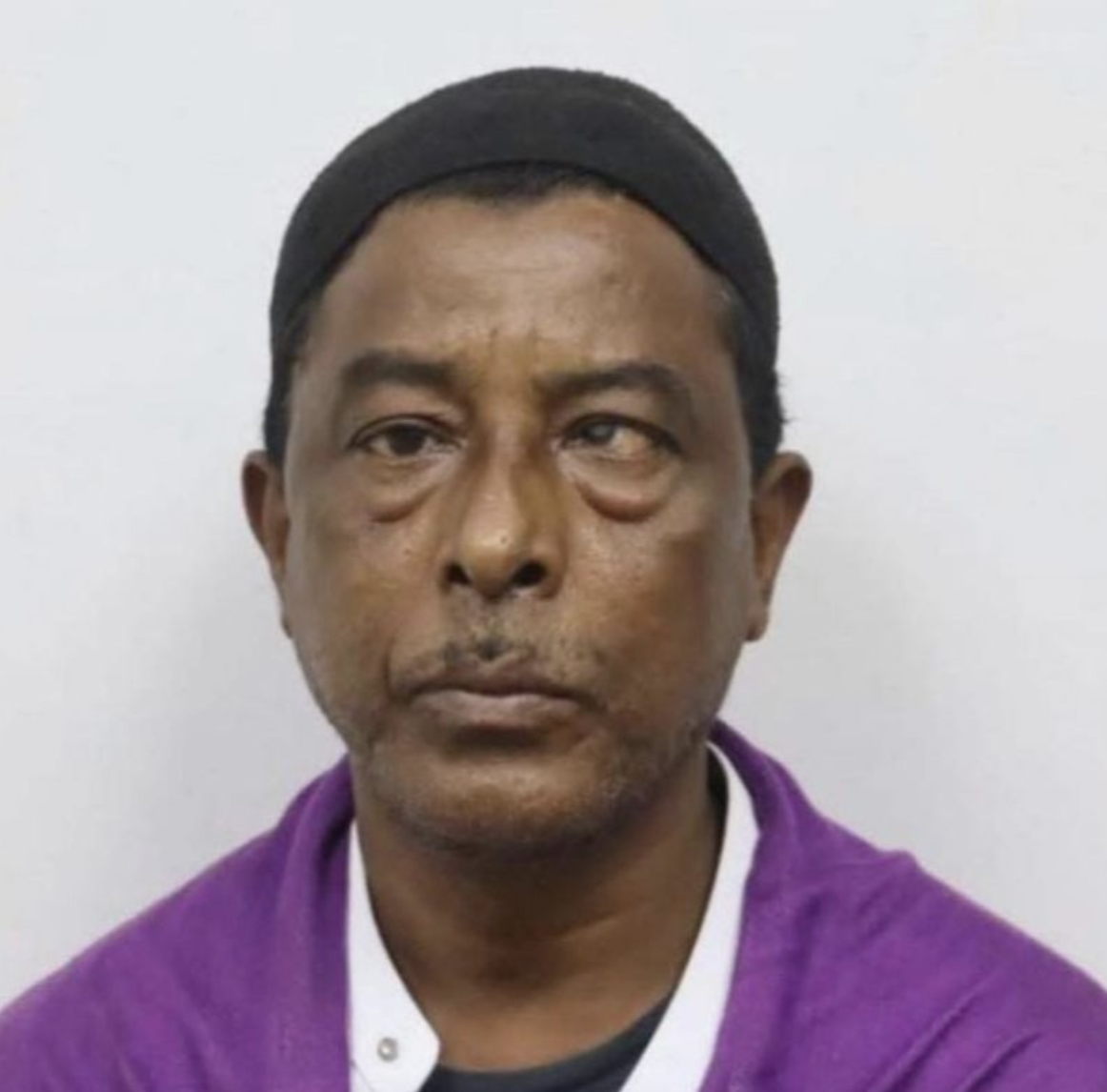
Photo courtesy of Instagram/JoaquinCastrotx
The recent death of 56-year-old Nurul Amin Shah Alam, a disabled Muslim Rohingya refugee fleeing genocide in Myanmar, according to CNN, in Buffalo, New York has raised public scrutiny of the Buffalo Police Department and its collusion with immigration enforcement, having released Shah Alam into Customs and Border Protection (CBP) custody despite legal status and a plea deal ensuring his exemption from immigration detainment. CBP then dropped Shah Alam off unaccompanied in downtown Buffalo where his body was later discovered on Feb. 24, 2026, per a CNN timeline.
Held in Erie County Holding Center for a year until his release on Feb. 19, 2026, just five days before his body was found, Shah Alam was initially arrested by local police after a woman reported him trespassing on her property after he got lost while on a walk in the neighborhood, according to an article by The Guardian.
Nearly fully blind and speaking almost no English, Shah Alam was using curtain rods as walking sticks, per his attorney, when officers arrived on the scene. In the body cam footage obtained by the Investigative Post, officers can be heard yelling at Shah Alam to drop the rods with tasers drawn; the recording officer can be heard saying “I’m going to shoot you, dude” when Shah Alam does not comply with their demands due to the language barrier, and the two officers tase and beat him shortly thereafter before placing him under arrest.
The case against Shah Alam has received criticism from various civic organizations. The Capital Region Sanctuary Coalition (CRSC) released a statement denouncing the charges of “assault, trespassing and possession of a weapon,” per The Guardian, as “conflat[ing] an accident which was the result of his disability with ‘trespassing,’ mislabel[ing] his improvised walking stick as a ‘weapon,’ and turn[ing] the state’s aggression toward him into charges he ‘assaulted’ officers.” Several disability advocacy groups have highlighted the need for improved accommodation and accessibility on the part of law enforcement in dealing with visually impaired individuals; a statement from the National Federation of the Blind’s president Mark Riccobono reads, “Mr. Shah Alam’s death is a somber reminder of why accessible, disability‑aware practices are essential across all stages of custody and release. There is currently no indication he was provided effective communication or reasonable accommodation.”
After a year in Erie County detention—with his family previously refraining from posting bail “for fear he would end up detained by ICE out of state,” per the Investigative Post—Shah Alam was released on bail on Feb. 19 after a plea deal, which an immigration attorney assured would “secure his release without fear of detention or deportation by federal authorities,” according to the Legal Aid Bureau of Buffalo, who represented Shah Alam. However, despite this advisement and protection of legal refugee status, Shah Alam was released into the custody of CBP officers without the knowledge of his family, who, a Rohingya community advocate said, were awaiting his release at the Erie County facility that day, according to the Associated Press.
A press release from the Department of Homeland Security (DHS) claimed that, after having ascertained that Shah Alam was eligible for neither detention nor deportation, “Border Patrol agents offered him a courtesy ride, which he chose to accept to a coffee shop, determined to be a warm, safe location near his last known address… He showed no signs of distress, mobility issues, or disabilities requiring special assistance.” The Legal Aid Bureau’s statement reports that he was dropped off at a closed Tim Horton’s downtown at 8 p.m. that night, adding that, contrary to DHS’s statement, “He suffered from severely impaired vision and had other health issues… He would not have known where he was or had the wherewithal to contact his family or avail himself of other resources or services…”
There is some concern over the circumstances of his release into immigration custody by Erie County. The Associated Press notes that CBP had “lodged an immigration detainer after his arrest,” which, according to the American Immigration Council, is a “tool used by U.S. Immigration and Customs Enforcement (ICE) and other Department of Homeland Security (DHS) officials when the agency identifies potentially deportable individuals who are held in jails or prisons nationwide.” Given his established legal refugee status and the fact that detainers are not mandatory, many are questioning not only CBP agents’ treatment of Shah Alam, but his presence with them in the first place.
State Senator Andrew Gounardes, in a post on Instagram, indicted Buffalo PD and the Erie County Sheriff’s Office in Shah Alam’s death, adding that “turning local police into Border Patrol’s lackeys makes us all less safe.” He, along with several New York State Assembly Members like Karines Reyes and organizations such as the New York Immigration Coalition (NYIC) and the Immigrant Defense Project, are urging legislation like the proposed “New York For All” bill in response to prevent collusion between local law enforcement and federal immigration agents.