
March: Women’s History Month
How a single movement became a month of honoring women
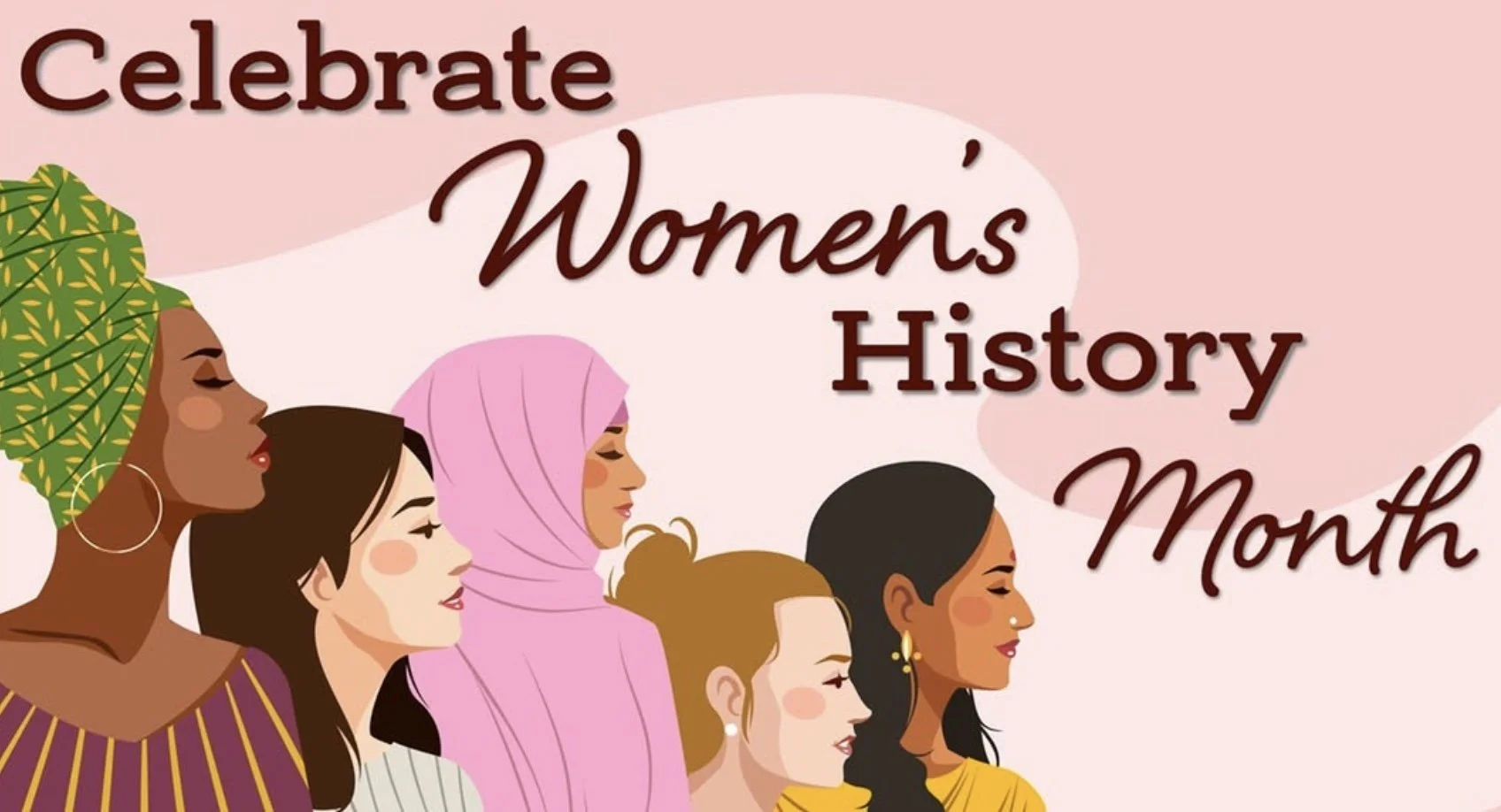
Photo courtesy of Milne.Geneseo/Instagram
This month marks 39 years since the United States has first begun celebrating Women’s History Month every year in March. The recognition began when Congress passed a law naming March as “Women’s History Month” in 1987, as per The National Women’s History Museum. Even before that, however, the celebration started as Women’s History Week. The Women’s History Museum elaborates on the origins of the month, explaining that “The Education Task Force of the Sonoma County (California) Commission on the Status of Women planned and executed a ‘Women’s History Week’ celebration in 1978. The organizers selected the week of March 8 to correspond with International Women’s Day.”
Mar. 8 became recognized as International Women’s Day by the United Nations in 1975. Many years earlier, in 1908, the day “began as a labor movement and evolved into an annual event… In 1908, 15,000 women marched through New York City demanding shorter working hours, better pay, and the right to vote,” according to The Gilder Lehrman Institute of American History.
Years later, former United States President Jimmy Carter became the first U.S. president to issue a proclamation formally recognizing National Women’s History Week. The National Women’s History Museum shares his words: “From the first settlers who came to our shores, from the first American Indian families who befriended them, men and women have worked together to build this nation. Too often the women were unsung and sometimes their contributions went unnoticed. But the achievements, leadership, courage, strength and love of the women who built America was as vital as that of the men whose names we know so well.”
Original celebrations of Women’s History Week in California included school presentations, essay contests for students, and a downtown parade, according to History. Today, countless people continue to celebrate this day, week, and month dedicated to women’s history.
This year's Women's History Month theme, presented by the National Women’s History Alliance (NWHA), is “Leading the Change: Women Shaping a Sustainable Future.” The alliance explains, “This theme honors the women who have and are reimagining and rebuilding systems to ensure long-term sustainability - environmental, economic, educational, and societal.”
This year’s theme of sustainability not only recognizes positive impacts on our environment, but also women working to “confront a range of overlapping global challenges: climate change, economic insecurity, healthcare disparities, and threats to democratic participation.” A statement on the theme’s significance points out that “These issues are deeply intertwined - and women, particularly from marginalized communities, often experience their impacts most acutely… Yet women have also led the charge towards lasting solutions.”
The National Women’s History Alliance has published some initiatives to recognize women’s history, especially within this year’s theme. Some ideas include hosting exhibits which highlight works of women to have positive and sustainable impacts, partnering with schools or youth groups to meet with young, future leaders, share conversations and stories about women working towards change, and launch sustainable efforts within your own community.
SUNY Chancellor John B. King and the SUNY Board of Trustees released a statement with their own recognition of Women’s History Month, stating, “Women's History Month offers us the opportunity to remember the trailblazers who overcame injustice and inequality to help create a more just society. We recognize and celebrate the achievements of these women whose vision, resilience, and impact continue to shape our communities and institutions.” The statement also went on to name and recognize some notable female SUNY alumni who had helped break barriers, such as “Eileen Collins (SUNY Corning Community College 1976), the first woman to command a NASA mission and pilot a space shuttle… [and] Crystal Peoples-Stokes (SUNY Buffalo State University 1974 and M.S. in 2002), the first woman to serve as Majority Leader of the New York State Assembly,” to cite just a few of the alumni recognized in the statement.
Geneseo will also be offering opportunities for current students to celebrate Women’s History Month. Peace Action Geneseo will be hosting a Women’s March in honor of International Women’s Day on Sunday, Mar. 8 from 1-2 p.m. The march will begin at Veteran’s Memorial Park, as per the group’s informational flyer posted on their Instagram.