
New innovations lead to an increase in lab grown meat products
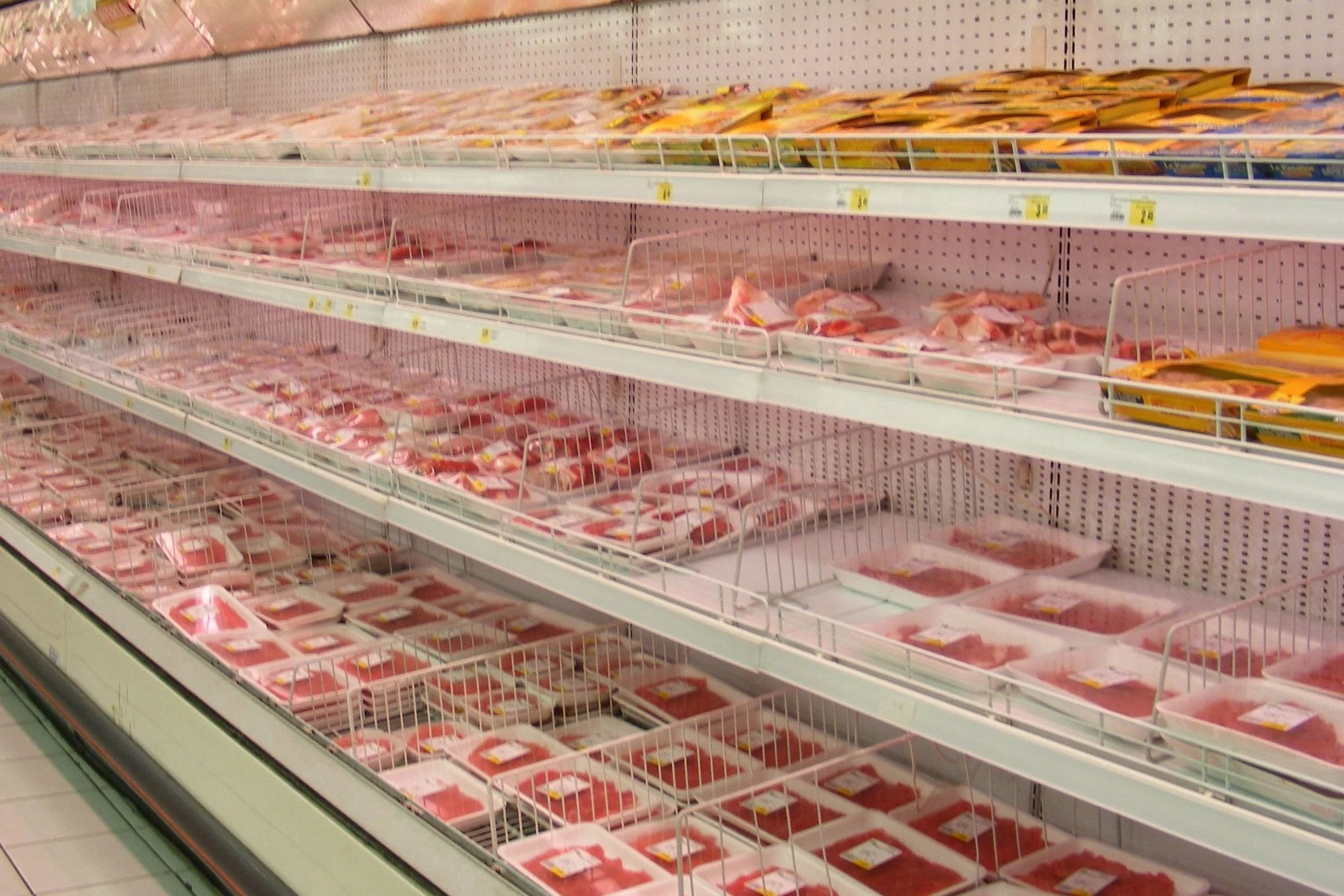
Photo Courtesy of Mattes- Wikimedia Commons
Lab grown meat, also called cultivated meat, has been a trending topic over the last few years. According to Farm Forward, this cultivated meat is still genuine meat, but lacks the need to slaughter an animal and is instead grown from animal cells in a lab. The cells are cultivated in “stainless steel drums called bioreactors, which are engineered to encourage replication of cells or growth of biological mass.” Many are enthused about this innovation due to its positives, such as a lack of the contamination or disease regular meat often carries.
Cultivated meats have been developed since 2013, according to Congress.gov, the federal website for tracking legislative information. A Maastricht University scientist in the Netherlands created the first lab grown meat for human consumption. This led, in 2022, to the U.S. Food and Drug Administration (FDA) approving two separate cultivated meat companies. These include GOOD MEAT and UPSIDE Foods, which have both reached grocery stores in the U.S. selling cultivated chicken. Along with sales in supermarkets, these brands have been approved to be sold in restaurants in San Francisco and Washington D.C, as well. One issue rising around these lab grown meats is production regulation as well as labeling of these products.
Over 140 companies have been established over six continents as of 2025, according to the Good Food Institute. The process for the growth of this meat is the same for all the companies. It first involves acquiring and storing stem cells, followed by growth in the bioreactors through an oxygen-rich growth medium that contains the basic nutrients you might find in meat: these include “amino acids, glucose, fats, vitamins, and inorganic salts, and [are] typically supplemented with growth factors and other proteins.” The meats are grown at high volumes and density, as well, and from there are “harvested, prepared, and packaged into final products.” The entire growth and packaging process takes anywhere from two to eight weeks.
The labeling on cultivated meat packages has been found to be misleading; meat cultivation is arguably not vegan due to the animal stem cells still being used, which means an important distinction must be made between cultivated meat and plant-based protein. National Hog Farmer states that the Senate and House of Representatives have introduced bipartisan and bicameral legislation “that would ensure consumer transparency by addressing the labeling of cell-cultivated protein and plant-based alternative protein products.” Both the Fair and Accurate Ingredient Representation (FAIR) on Labels Act as well as the Fair and Accurate Ingredient Representation on Labels (FAIR Labels) Act of 2026 have been sponsored by numerous senators and representatives this year. To avoid deceptive labels, the legislation “requires cell-cultivated protein and plant-based alternative protein products to bear an accurate label, clearly differentiating these products from meat and poultry products” as well as prohibiting the sales of mislabeled products.
Today, PETA lists the most popular cultivated meat companies you need to know. The companies include GOOD Meat by Just Foods, Aleph Farms, Wildtype, and Umami Bioworks, which produces cultured seafood. These companies are simulating the flesh and meat from the stem cells of animals so that it tastes and feels just like the real thing.
This brings up the question of whether or not cultivated meat is vegan. PETA explains that this culture of lab grown meat did not exist when the term “veganism” was first coined in 1944. While there is no distinct answer of yes or no, there is evidence of cow hormones or proteins as well as protein from fish and other animals being injected into lab-grown flesh.
The Vegan Society made a statement regarding cultivated meat, stating, “Veganism as a philosophy is concerned with ending the exploitation of, and cruelty to, non-human animals. As such, it’s understandable that some vegans may be drawn to the possibilities of this technology. However, as our policy position makes clear, cultured meat is not vegan or a panacea for the horrors of animal use and exploitation.” They make it very clear that cultivated meat is officially non-vegan, but some could argue that no animals were necessarily harmed in the production process.
While stem cells are the only thing taken from the animal and there is no slaughter, it is still “real meat produced in a new, innovative way,” according to Nation of Change. Some lab grown meat is also not completely free of animal by-products. Fetal bovine serum is still found in some cultivated meats and slaughterhouses obtain this by “collecting blood from the unborn calves of pregnant cows after they’re killed,” making them not vegan.
Cultivated meat has quickly advanced within the last 10 years and will not be going anywhere. Companies are expanding and creating more lab grown meat to eventually sell in supermarkets and more restaurants. These innovations could result in a change in the food industry forever. Health and safety concerns may be diminished due to the transition from slaughterhouses to labs, but clear product labeling and product regulation are important factors that need to be ironed out prior to this being a mainstream diet.