
Photo Courtesy of Héctor Berganza- Pexels
Christa Pike surviving her execution marked the beginning of a legal question for the state of Tennessee, whether or not to attempt a second execution. For now, her attorneys are concerned about her healing safely.
On Sept. 30, 2026, Christa Pike’s historic execution was scheduled to take place, but she became the first person to survive two doses of lethal injection, leaving the state of Tennessee in legislative limbo, as reported by PBS News.
Pike was originally convicted and placed on death row following the brutal murder of Colleen Slemmer in 1995, in which “Pike and two teenage accomplices had worked together to torture, slash and fatally beat Colleen,” according to NBC News. CNN News adds that “[a]fter spending decades in prison for [this] gruesome murder, Christa Pike was set to become the first woman executed in Tennessee in 200 years,” but then “something went wrong.”
The exact reason Pike’s execution failed has yet to be officially determined, though CNN News reports that “the Tennessee governor order[ed] an independent review of the Department of Correction’s actions in carrying out Pike’s execution.” However, anaesthesiologist Dr. Joel Zivot told BBC News that the reason the execution failed “was simply that not enough of the drug pentobarbital reached her bloodstream to kill her.” Zivot said, “‘Most of the pentobarbital, instead of circulating in her body, ended up in her arms, and that’s how she lived.’”
Prior to Pike’s execution, her legal team voiced concerns similar to Dr. Zivot’s reasoning for the failure of the lethal injection; according to BBC News, “Pike’s medical condition of thrombocytosis, a blood-clotting condition, was highlighted in advance” of the execution. Cleveland Clinic defines thrombocytosis as “a high platelet count… [which] can sometimes make your blood too sticky,” and “[i]n serious cases, they can cause harmful blood clots.” BBC News suggests that “[i]f clots of blood formed at the injection site as a result of thrombocytosis, they would potentially have blocked the chemical from entering her veins,” which may ultimately be the reason Pike survived.
Following several days receiving life-saving care, Pike regained consciousness on Oct. 6 before being transferred back to prison on Oct. 10 for the remainder of her recovery, as per CNN News. Thus, the unprecedented question of whether or not a second execution is constitutional has entered the legislative arena in Tennessee. CNN News reported that experts have said Pike’s “attorneys could argue a second execution attempt would violate her constitutional protections against double jeopardy, which prevent individuals from being prosecuted or punished for the same crime twice.”
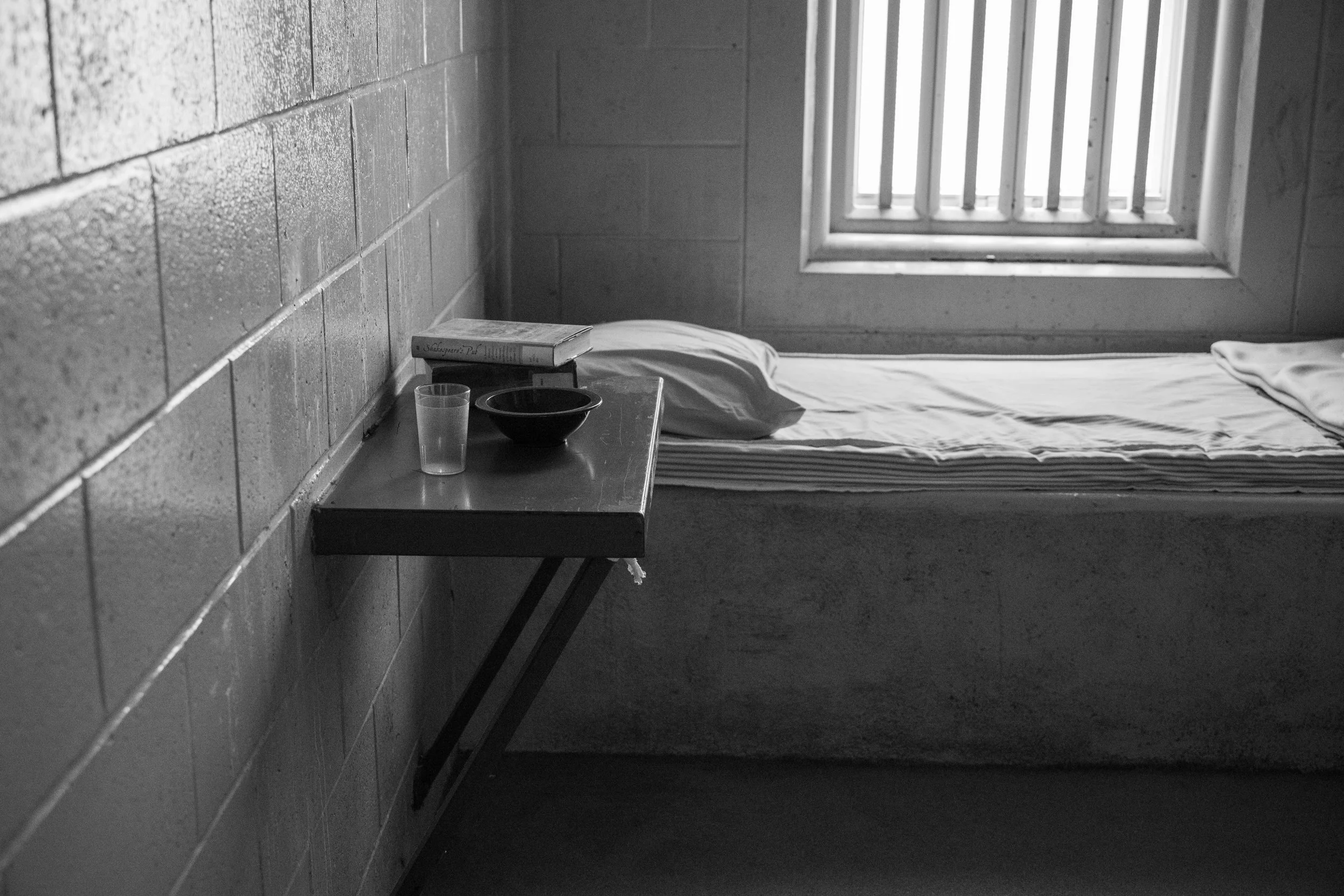
While the future of Pike’s case is contested, CNN News reports her lawyers have “file[d] an emergency motion seeking her removal from ‘indefinite isolation in the prison infirmary’” in the meantime. The reason for this can be partly explained in the statement Pike’s legal team released on Oct. 30, one month after the failed execution, as posted by the Death Penalty Information Center: “Since that night, I have been largely isolated in the prison’s medical ward, away from other people and the human connections that mean so much to me. That isolation brings its own kind of pain.”
Additionally, PBS News adds that “Pike says she feels constant pain in [the] first public statement” she has made following the “failed execution.” PBS News quotes Pike, saying, “‘There hasn’t been a moment since that night when I haven’t been in pain. My body hurts. My arms hurt. My hands hurt. My throat hurts. I still struggle to speak. And the pain isn’t just physical. There is pain in my mind and in my soul.’” Though Pike blames the failed execution “on ‘incompetence,’” and mentions thinking “‘about my victim’s family and the terrible pain and loss they have endured,’” she makes no claim about the possibility of a second attempt to execute her. Instead, she focuses on the positives, saying, “‘For now, I am trying to heal one day at a time. And I am holding on to the love and kindness of so many people who have reminded me that I am not alone.’”