
Following a historic level of voter turnout, many history-breaking candidates were elected
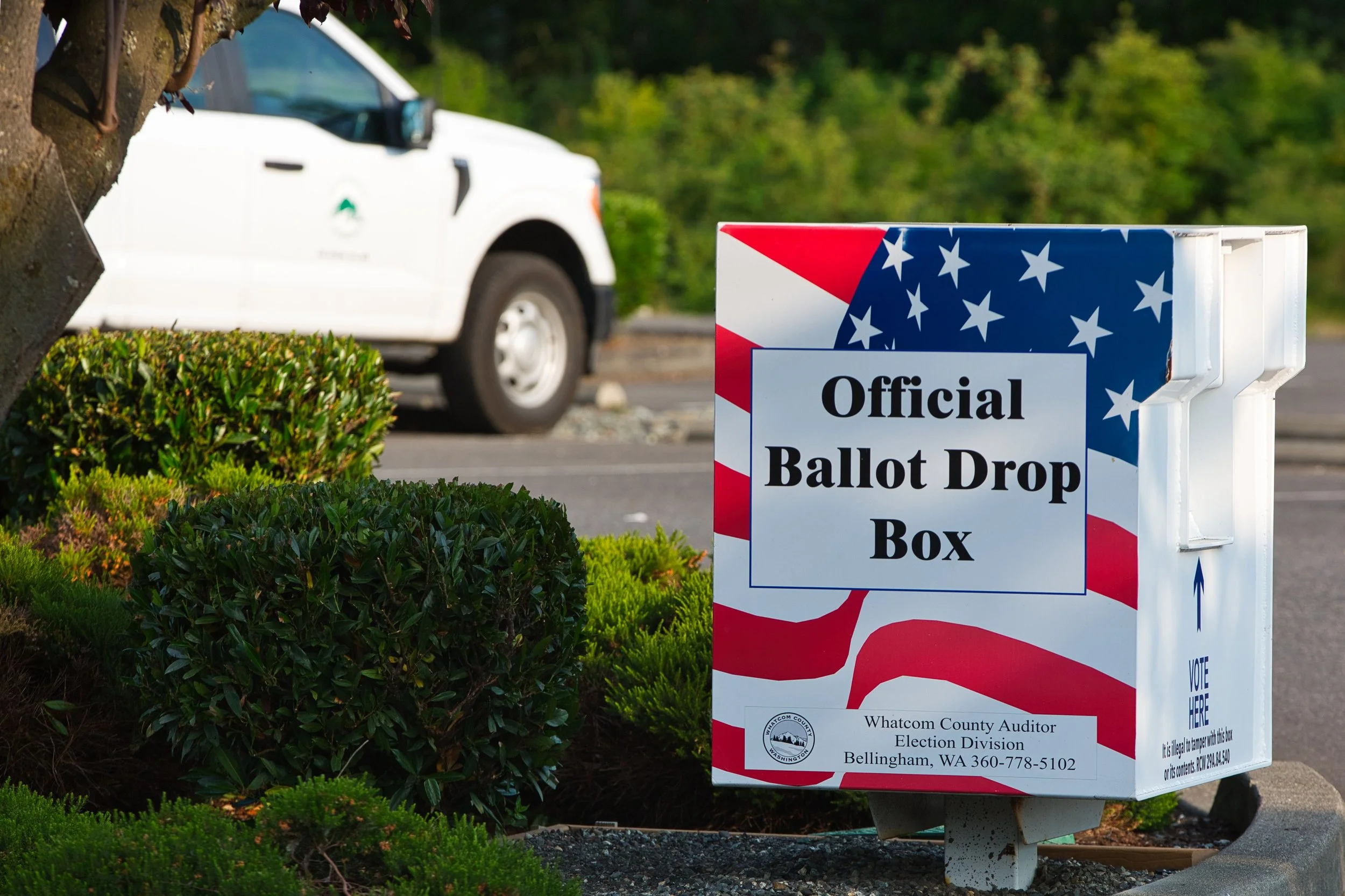
Photo Courtesy of Greg Thames- Pexels
Voting is an essential part of American democracy; Headcount, “a national, nonpartisan organization” which helps and encourages young people to vote, as per their official website, asserts that by voting, citizens get to honor the struggle many faced for suffrage, become more civically engaged, and shape “a government that is representative and responsive to the needs and desires of all citizens.”
This year, the United States held a midterm election, which happens “halfway through the 4-year Presidential term” and elects Congresspeople and state officials, as per the U.S. Vote Foundation. American voters made their voices loudly heard during this year’s midterm election; the polls saw the “second-highest [voter] turnout rate in a midterm year since 1914,” as reported by the Brennan Center for Justice. Furthermore, “the turnout gap between white and Black voters” was at its “lowest point of any midterm election in the past 20 years.”
The many voters who participated in this year’s midterms elected some historical candidates, as PBS News reported. Many states saw history made, electing candidates such as the first Native American female governor, Deb Haaland, in New Mexico; the first female Native American Senator, Peggy Flanagan from Minnesota; the first Black female governor in Georgia, Keisha Lance Bottoms; the first Muslim U.S. Senator, Abdul El-Sayed from Michigan; and the first openly gay male Senator, Chris Pappas from New Hampshire. Also, according to CNBC, the 2026 midterms ranked in the top 10 “biggest midterm wave elections where the party in the White House lost seats…[it] was the biggest House seat loss for the incumbent party in the White House since 2018.”
Deb Haaland, the first female Native American governor ever elected, is no stranger to making history. As per NPR, she previously made history as the first Native American to serve in a Presidential Cabinet under the Biden Administration. Making Indigenous history alongside Haaland during this election was Peggy Flanagan. Votes are still being counted in Alaska, however, if Senate candidate Mary Peltola wins that election, she and Flanagan will make history together as the first Native American women to serve in the United States Senate, as per The Alaska Beacon.
Georgia joined in on the history-making elections, electing the United States’ first ever Black governor, Keisha Lance Bottoms, as well as the state’s first Jewish senator and first Black Senator, Jon Ossoff and Raphael Warnock, respectively, as documented by AP News. “It was one of the most moving experiences I’ve had in my life,” Lance Bottoms said about visiting the grave of her enslaved great great grandmother on election day, reflecting on American history and progress, as per ABC News.
The New York Times documented Chris Pappas’ historic win for the LGBTQ community. While campaigning, Pappas said, “I think people, regardless of their politics, really just want their neighbors to be able to be themselves.” He focused on many issues popular among Democratic candidates, such as fighting high costs of living and healthcare. Pappas has previously represented New Hampshire in the House of Representatives and served as a chair of the Congressional Equality Caucus, and will now make history as the first openly gay male Senator.
One other historically elected candidate this election, Abdul El-Sayed, is already starting a movement which could let voters make their voices loudly heard. From Michigan, El-Sayed was elected as the first Muslim U.S. Senator, according to Reuters.
As the Democratic party will now control the Senate after the midterms, current Senate minority leader Chuck Schumer was expected to take the role of Senate Majority leader for the Democrats. However, after their sweeping victories, newly elected Democrats are also calling for new leadership in the Senate majority leader role. The Guardian reports that Annie Andrews, a Democratic Senator elected in South Carolina, said, “I still very much believe it’s time for generational change on both sides of the aisle,” referring to who she will support as Democratic majority leader. The Guardian notes that “[o]ther incoming Democrats have also declined to support,” including James Talarico from Texas, Juliana Stratton from Illinois, Chris Pappas, Peggy Flanagan, and Troy Jackson from Maine.
Abdul El-Sayed publicly supported Chris Van Hollen for the role, saying, “I think [he would] be an amazing Senate majority leader,” before ultimately recognizing that the choice to run for the position was solely Hollen’s, as per The Hill. However, as The Hill reported, Chris Van Hollen has said he is “in listening mode” about the push for him to run for Senate majority leader.
Now until Jan. 2027, the newly elected U.S. Senators will wait to be sworn into office. However, as per USAToday, the new class of Congresspeople got to pass some of the time with their first orientation to Capitol Hill on Nov. 9.