
The history of the United States, Europe, and the “others”
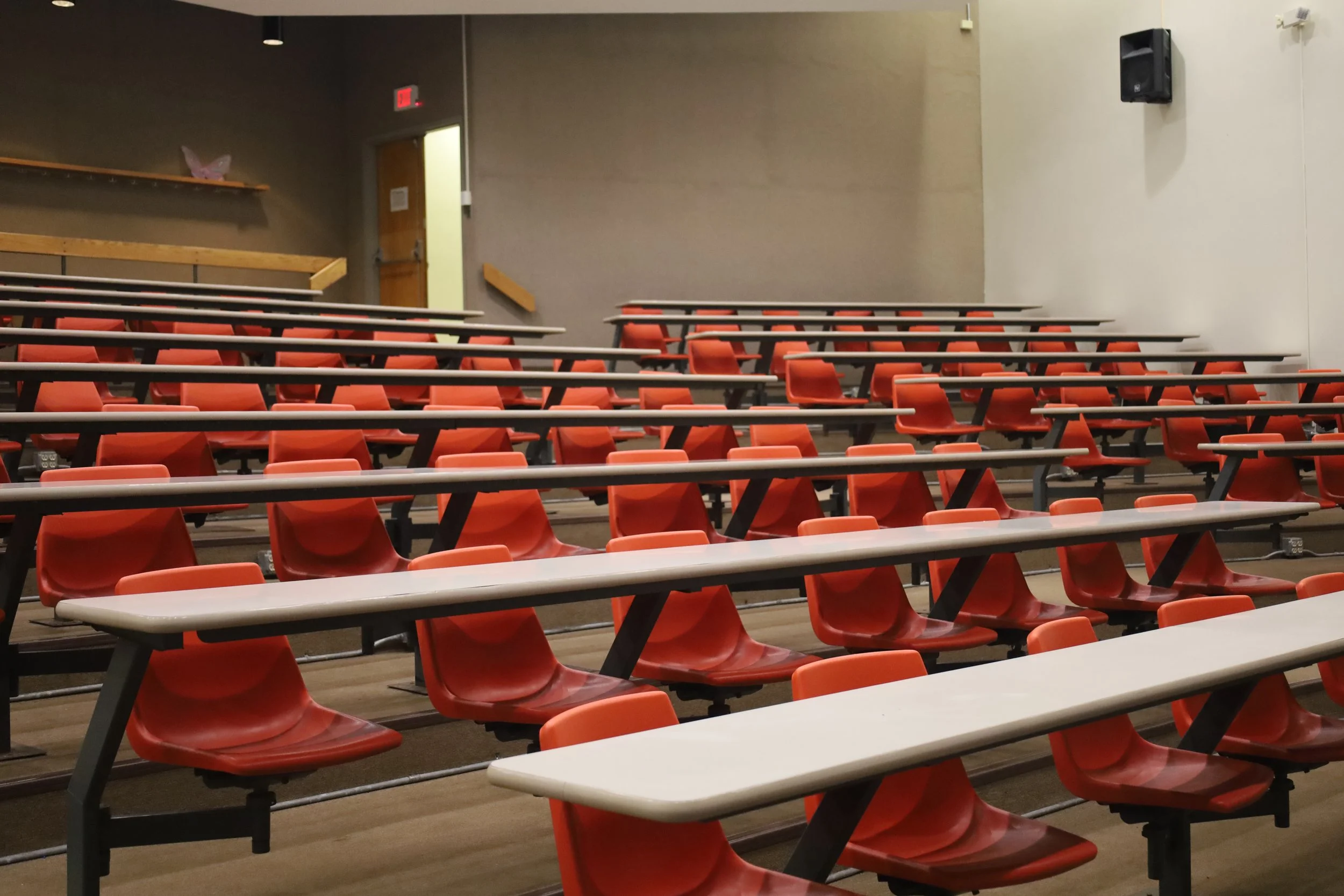
Current degree requirements at SUNY Geneseo emphasize a Western-centered gaze, and should be changed even if that proves difficult.
Photo courtesy of Faith Zatlukal
All Geneseo history majors are required to take classes in three subject areas: US history, European history, and LACAANA. You may find yourself wondering, “What exactly is LACAANA?” The answer? No one knows! No, I’m only kidding. However, even as a history major, I couldn’t remember all of the areas encompassed by this acronym.
After checking the school’s website, I can confidently inform you that LACAANA stands for Latin American/Caribbean/Asian/African/Native American. If you are anything like me, that is off-putting—to condense the entirety of the world, outside the United States and Europe, into one acronym. Worse, the identified areas have populations which consist largely of people of color. Whether intentional or not, these categories promote the idea that cultures beyond the Western gaze are less than. These categories tell us that those cultures are not deserving of, or unique enough to be denoted as separate and worthy of being learned about.
It is troubling that a school which is lauded as one of the best in the SUNY system for education majors holds such requirements. I have heard countless peers lament the shortcomings of their secondary education, from never having heard of major events to receiving only a cursory education on them. Yet, does this not allow those same pitfalls?
A Geneseo history student can take a singular class focusing on U.S. military history their freshman year, then one on African history as a sophomore, and for the other seven history classes they are required to take, they can focus only on Europe. These same students can then go on to teach our nation’s youth, and provide them an education on the Vietnam war without any background on Vietnamese history, geography, or culture. They can regurgitate what they themselves learned at the same age, or what comes from the textbook their students have. This is not to say that future educators from Geneseo cannot or will not make an effort to educate themselves further, or that they will not receive further education in the pursuit of their masters. Rather, I am attempting to emphasize the importance of broadening the requirements of Geneseo’s history majors. Our current system is flawed; it promotes a eurocentric education, and we must work to improve these categories.
Despite the problems I have identified, I do not believe these shortcomings to be intentional or malicious. Rather, I think it is a flaw that can be improved. The ridiculous nature of this system is emphasized in conversation with most anyone involved in the history department. I have heard faculty and professors mention the way classes are sorted to be an ongoing struggle. The system is narrow, and reductive. It leaves both students and professors confused.
I can understand why this system may exist. Perhaps it was made in an initial attempt to help provide a more diverse education; maybe the requirements were kept low to avoid overwhelming professors, to prevent students from struggling to meet requirements, or it is simply kept in place because there is not currently a better solution. Yet, I feel these reasons fall flat.
I am confident that Geneseo students are capable of taking a variety of classes, just as I am sure that there are better solutions. For example, if you break things down by continent, students could surely take classes in those different geographic areas in the four years they have here. Or, if you wish to keep the same requirements, make them stricter, and make students take three classes in each category. Since LACAANA encompasses so many different cultures/histories, it could require that there be different areas for each class.
While these are not perfect solutions, they are a start, and they begin to move away from the faults of the current system, even if it is difficult or time-consuming. There is no excuse for not ensuring students are receiving a well rounded and diverse education.