
Data centers are environmentally unjust
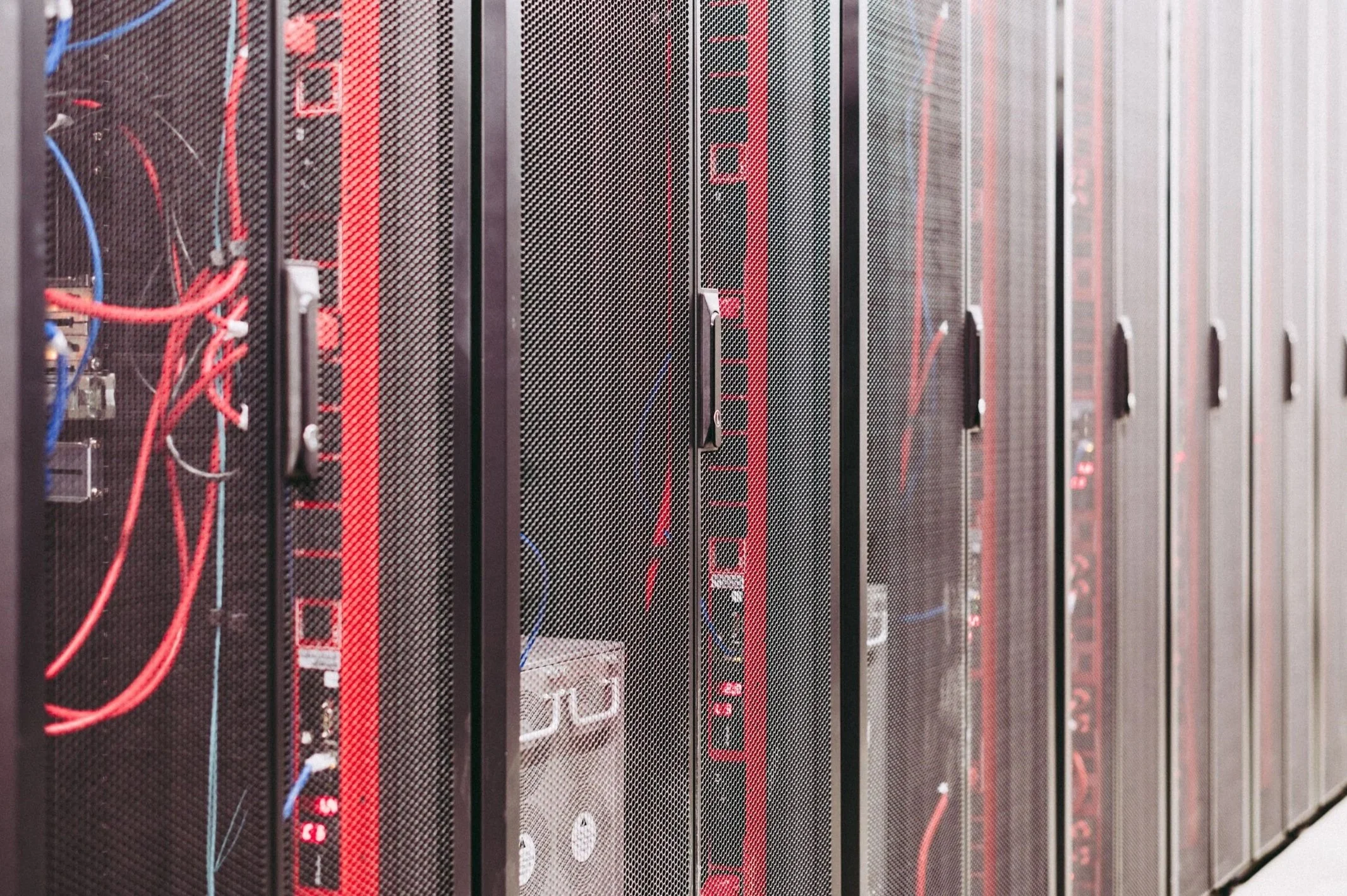
Photo Courtesy of Brett Sayles- Pexels
It is hard to talk about environmental issues today without stumbling upon the topic of data centers—particularly those focused on the training and running of AI systems. You may have heard concerns expressed about these data centers and their impact on water access and health; one report by the Environmental and Energy Study Institute (EESI) noted, “Data centers have a thirst for water, and their rapid expansion threatens freshwater supplies…Water consumption is expected to continue increasing as data centers grow in number, size, and complexity.” Research conducted last year at Cornell estimated that “the current rate of AI growth would annually put 24 to 44 million metric tons of carbon dioxide into the atmosphere, the emissions equivalent of adding 5 to 10 million cars to U.S. roadways.” AI data centers create significant environmental harm—exacerbating already existing threats to our land, water, and air.
Perhaps it is the result of living in an online echo chamber, but I have found that very few people seem unaware of this harm. Ask most people today if using AI has a considerable impact on our environment, and they will likely answer yes. Despite that knowledge, though, use of AI is widespread; as of July this year, according to Business of Apps, ChatGPT alone was estimated to have “900 million active users, who access the app once a week,” and in 2025, ChatGPT was the most downloaded app with “770 million installs.” In October of last year, DataReportal noted that “while an exact figure remains elusive, the available evidence indicates that there are now well over 1 billion people around the world using standalone AI platforms each month.”
AI’s convenience and the normalization of its use—across platforms, in casual conversations, and even in classrooms—has numbed us to a real understanding of what it’s doing to the world around us. AI has joined the plethora of activities and choices we make that contribute to environmental degradation, but which are so entrenched in our daily lives that we perceive them as unavoidable. However, even if you personally cannot see the effects of AI systems and the data centers built to power them, that does not mean they do not exist—nor does it mean that people aren’t already feeling them.
Data centers are an issue of environmental justice. As the United States continues to construct these sites, it is important to notice and reflect upon where they are placed and who is most directly impacted. Preliminary research from the World Resources Institute (WRI) indicates that data center siting patterns “could compound long-standing environmental and economic challenges.” The centers are largely placed in areas already disproportionately experiencing environmental burdens, and data center development runs the risk of “reinforc[ing] existing inequities.” The research conducted in South Carolina by the WRI revealed that the data centers were “often sited near Black and low-income communities.”
I attended a panel on campus last Saturday, Sept. 12: “Indigenous Perspectives on America 250: The Clinton-Sullivan Campaign, Genocide, and Dispossession in Western New York.” A joint initiative of the Livingston County Historical Society and the History Department here at Geneseo, the panel not only addressed the history of the violent Clinton-Sullivan Campaign, but also its legacy and memory; students were invited to consider the ways colonialism has persisted into the present, actively impacting Indigenous communities today. On the way out, students encountered a table with pamphlets of information about the “STAMP data center” plan.
As reported by the Genesee County Economic Development Center (GCEDC), STAMP—which stands for Science, Technology, and Advanced Manufacturing Park—is a “1,250-acre campus developed in the town of Alabama, New York.” The industrial park was created in 2012, when the town signed a zoning agreement with GCEDC; since then, very little construction has taken place on the site, which remains largely vacant. Economic developers are attempting to change that, and according to InvestigativePost, the Industrial Development Agency (IDA) began “entertaining data center builders two years ago as a means to finish construction of a 600 megawatt substation and fill the empty fields with companies.”
Ultimately, plans were initiated with Stream Data Centers, who note on their website that they are “honored to become part of the Genesee County Community.” Many members of the Genesee County Community are not excited or honored to welcome a new data center into their rural, scenic landscape. In May, as reported by WGRZ News, “Environmental activists, local organizations, and members of the Tonawanda Seneca Nation gathered outside the Buffalo Irish Center to protest proposed data center development in New York State.”
Legal action has also been taken against the planned data center—and further, against the zoning contract that created the STAMP site in the first place. In July, the Tonawanda Seneca Nation and the Sierra Club filed a lawsuit challenging the “validity of a contract through which the Town of Alabama bargained away its ability to zone the Western New York [STAMP site] in Genesee County.”
The document notes that “The establishment and maintenance of the Technology District has and will continue to harm the natural environment in the area where the STAMP Site is located and the surrounding environment.” The Tonawanda Seneca Nation would disproportionately experience those environmental damages, as the Nation’s territory is “directly adjacent to the STAMP Site and the Technology District,” and “The area of the Nation closest to the STAMP Site on the Nation’s Territory is known as the Big Woods,” where members of the Nation “hunt, fish, forest, and recreate.”
The people of the town of Alabama—the people of the Tonawanda Seneca Nation—were not consulted in the plans for this data center, despite the undeniable impact its construction and maintenance would have on their lives. Additionally, due to the nature of the Incentive Zoning Agreement (IZA) that created the STAMP site—and an entirely new “Technology” zoning district—the local authority of the town has been strangled.
As of July, governor Hochul placed a one-year moratorium on new data center approvals, halting the construction of the Stream data center on the STAMP site. Stephen Daly, founder of the firm Citizen Environmental Law, told InvestigativePost that “This controversy is absolutely ongoing…This structure, while it was put in place a decade ago, the fruits of that are really being born out now, in connection with this data center proposal.”
AI use has real, physical, felt consequences—consequences that are disproportionately experienced by marginalized communities. The issue of data center construction reveals a larger pattern of environmental injustice; it forces us to ask who benefits, who suffers, and who, ultimately, gets a seat at the table and a say in the decision-making process.