
U.S. oil blockade on Cuba raises humanitarian alarms
An intensifying energy crisis threatens the nation’s population
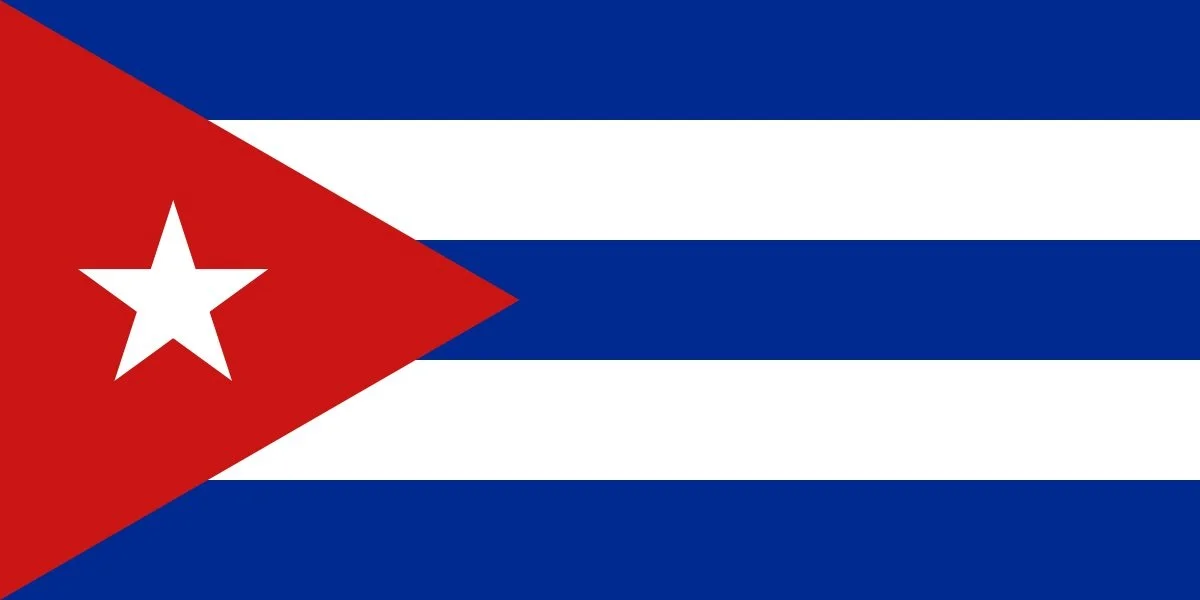
Photo courtesy of Miguel Teurbe Tolón and Narciso López/Wikimedia Commons
After months of American interventionism in the Caribbean that have resulted in U.S. control of Venezuelan oil following the abduction of President Nicolás Maduro, Cuba’s oil access is now under tight control. With the U.S. government preventing oil from reaching the island nation, The New York Times has identified this as “the United States’ first effective blockade since the Cuban Missile Crisis.”
The same year as the Cuban Missile Crisis in 1962, the United States imposed a full economic embargo on Cuba, which remains to this day despite some lapses under previous administrations, according to History. The purpose of the embargo has been to firmly restrict trade between the two countries, which History documents as having “dealt [Cuba’s] economy a blow that has hampered its development for nearly all of its history as an independent nation.” This most recent development in U.S.-Cuba relations is now crippling the country even further.
Following the takeover of Venezuela’s oil resources, upon which Cuba has “historically relied,” per the Canadian Broadcasting Corporation (CBC), President Trump announced plans to cut off oil to Cuba altogether last month in a post on his social media platform, “Truth Social”: “THERE WILL BE NO MORE OIL OR MONEY GOING TO CUBA - ZERO!” In the weeks following, the Trump administration has leveraged both military action and economic pressure to bar Cuban access to oil; The New York Times reported on repeated interception and seizure of oil tankers bound for Cuba by the U.S. military, also noting an executive order signed by Trump in January “threatening to impose tariffs on countries that provide oil to Cuba,” which has “succeeded at scaring other nations, like Mexico, into sitting on the sidelines despite their desire to help Cuba.”
The effects of the blockade have been widespread, resulting in a severe energy crisis on the island. Fuel shortages are increasing pressure in nearly every area of life in the country; AP News quoted Cuban President Miguel Díaz-Canel, illustrating the extent of the impacts: “It affects the transportation of food, food production, public transportation, the functioning of hospitals, institutions of all kinds, schools, economic production, tourism. How do our vital systems function without fuel?”
AP News reported on some of the changes to everyday life in Cuba caused by the crisis, including the shutting down of public buses and the closure of routes, drastically impacting movement on the island and “leaving many stranded for hours.” It has also significantly curtailed travel to and from Cuba for longer international flights, which constitute “a critical pillar of Cuba's tourism economy,” according to CBS News. CBS News also accounted for multiple airlines forced to make adjustments to their flights to or through Havana, including Air Canada who suspended flights altogether on Feb. 9.
With frequent blackouts, limited and unreliable transportation, and heavy economic pressure, Cuba’s healthcare system is under particular strain. Further burdening a system already dealing with insufficient resources and staffing, AP News reports that “Cuba’s Health Minister José Ángel Portal Miranda said that U.S. sanctions are no longer just crippling the island’s economy, they’re threatening ‘basic human safety.’” With access to medication severed due to flight restrictions, lack of fuel for ambulances, and power outages reducing hospital functions, Health Minister Portal added that “5 million people in Cuba living with chronic illnesses will see their medications or treatments affected.” Given a population of roughly 11 million on the island (per Al Jazeera), the blockade endangers the lives of nearly half of Cuba’s total population.
The United Nations (UN) have expressed deep concern over the situation. Quoted by Al Jazeera, UN spokesperson Stephane Dujarric stated that “the secretary-general is extremely concerned about the humanitarian situation in Cuba, which will worsen, and if not collapse, if its oil needs go unmet.” In a press release from the UN Human Rights Office of the High Commissioner, UN experts elaborated that “The U.S. executive order imposing a fuel blockade on Cuba is a serious violation of international law and a grave threat to a democratic and equitable international order.”
Many are speculating that the purpose of the blockade is to force a regime change in Cuba’s Communist government, with some news sources hinting at potential further escalations by the Trump administration to do so. Democracy Now! reported on Trump’s description of Cuba as a “failed nation” on Feb. 16, pointing out that he had “refused to rule out military action aimed at toppling its government.” The CBC cited former Canadian ambassador to Cuba Mark Entwistle, who “says the Trump administration is trying to inflict pain and throttle the country's economy to the point that the regime collapses.”
Statements from the Trump administration seem to confirm the desire for major shifts in the Cuban government, with Secretary of State Marco Rubio’s statement in a Senate hearing cited by Al Jazeera: “We would like to see the regime there change. That doesn’t mean that we’re going to make a change, but we would love to see a change.”