
Uncertain ceasefire grows shakier as attacks on Lebanon persist
Deadline for armistice looms as U.S. and Iran consider negotiations
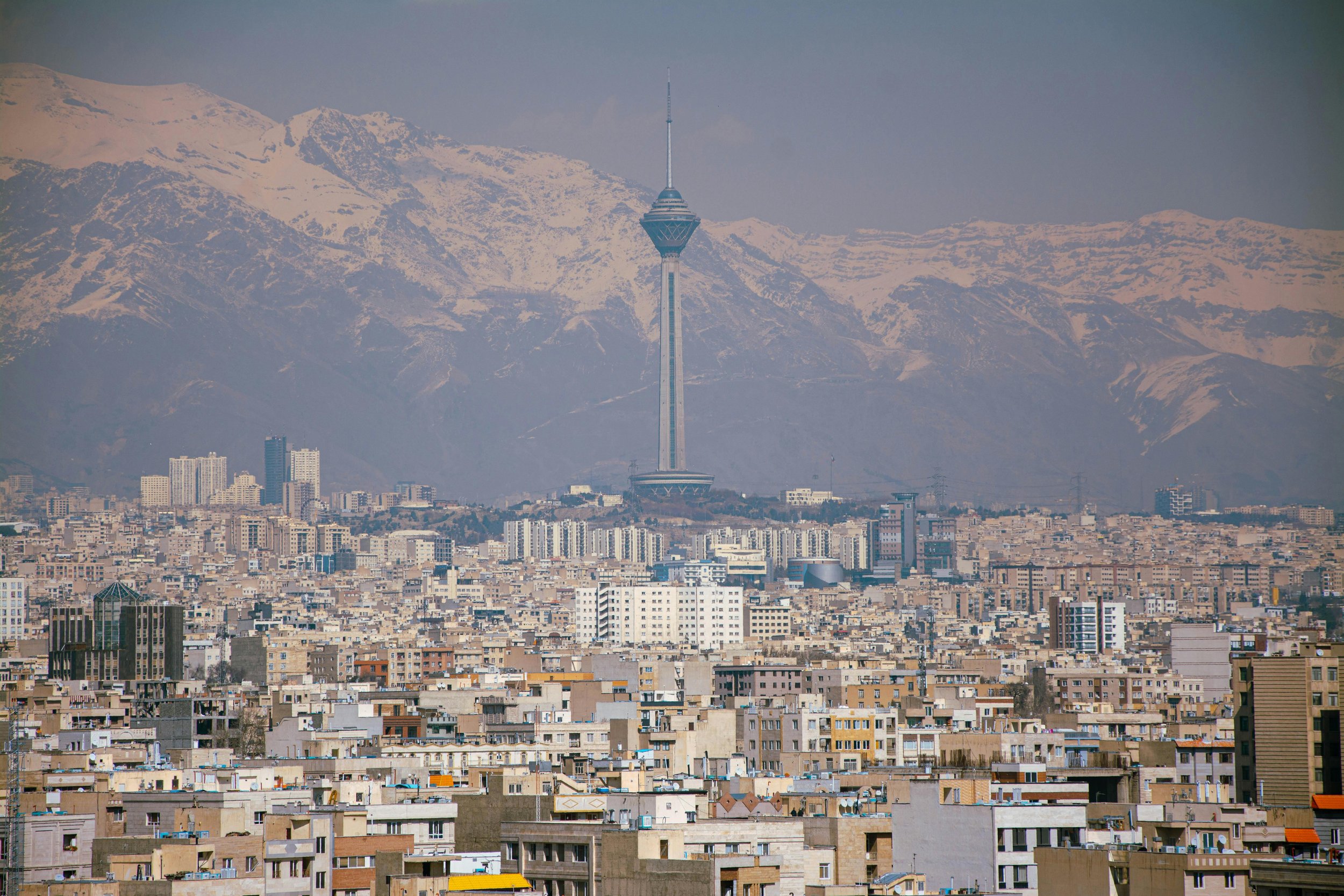
Photo courtesy of European Union/Wikimedia Commons
Following a tentative short-term ceasefire between Iran and Israel and the United States beginning Apr. 8, 2026, repeated strikes in southern Lebanon are raising questions about the state of the truce. Al-Jazeera reports that, “hours after a two-week ceasefire was announced,” the Israeli military launched air strikes resulting in over two hundred deaths in civilian areas in “Beirut, the Bekaa Valley, Mount Lebanon, Sidon, and several villages in southern Lebanon.”
In ceasefire talks mediated by Pakistan, Iranian Foreign Minister Abbas Araghchi stipulated and Pakistani Prime Minister Shehbaz Sharif reiterated the cessation of all attacks on Lebanon, according to the Associated Press. U.S. and Israeli leadership, however, have pushed back on the inclusion of Lebanon in the ceasefire, with President Trump claiming that “Lebanon was not included in the deal because of the Lebanese militant Hezbollah group” and referring to Israel’s attacks against Hezbollah as “a separate skirmish,” per Associated Press reporting.
Al-Jazeera reported that Israeli Prime Minister Benjamin Netanyahu affirmed this position, stating his intention to “continue to strike” Lebanon, while Defense Minister Israel Katz echoed the “separat[tion] [of] the war with Iran with the fighting in Lebanon in order to change the reality in Lebanon,” in spite of the terms put forth by Iran and Pakistan.
Following persistent Israeli bombardment of Lebanon after the ceasefire had been agreed upon, Iran responded by closing the Strait of Hormuz, according to a timeline by Fox 4 KDFW. As “the only maritime passage out of the Gulf and the route for about a quarter of the world’s liquefied natural gas and seaborne trade,” as explained by The Guardian, the Strait has been a central focus in the talks between the U.S. and Iran; its closure thus signaled the mounting instability of an already tenuous pause in the conflict.
The Iranian Revolutionary Guard warned of further action should attacks on Lebanon continue, promising a “regret-inducing response” and declaring that “Any attack on the proud Hezbollah is an attack on Iran,” per a news bulletin from The Independent.
The Israeli military campaign in southern Lebanon has shown no signs of slowing, however; the BBC reported a toll of 167 deaths in Israeli strikes between Friday, Apr. 10 and Tuesday, Apr. 14 and “around 1.2 million people displaced across Lebanon, and tens of thousands in northern Israel, as the conflict enters another week of sustained fighting.”
With talks between Iran and the U.S. having stalled out with no deal on Sunday, Apr. 12—due to Iran’s “refus[al] to accept American terms to refrain from developing a nuclear weapon,” according to the Associated Press—NBC News reports that American leadership enacted a blockade of Iranian ports the following day, with exceptions granted to ships in the Strait of Hormuz “if they are traveling between non-Iranian ports,” leveraging some control over the channel.
The current ceasefire in Iran is set to expire this upcoming Tuesday, Apr. 21, pushing talks between Iran and the U.S. to resume. Although President Trump appeared non-committal with regard to negotiations after failure to reach a peace deal on Sunday (with NBC News quoting him as saying “‘I don’t care’ whether Iran returns to the negotiating table”), CNN reports that officials from Iran and the U.S. have both expressed intentions to reopen peace talks in Pakistan. The same article notes that Israel and Lebanon have conducted their own negotiations, noting that both countries have agreed to discuss further “at a mutually agreed time and venue,” although Israel so far has refused to commit to a ceasefire in Lebanon.