
Hungarian Prime Minister Viktor Orbán ousted after 16 years in power
Landslide opposition victory sets a new course for Hungary
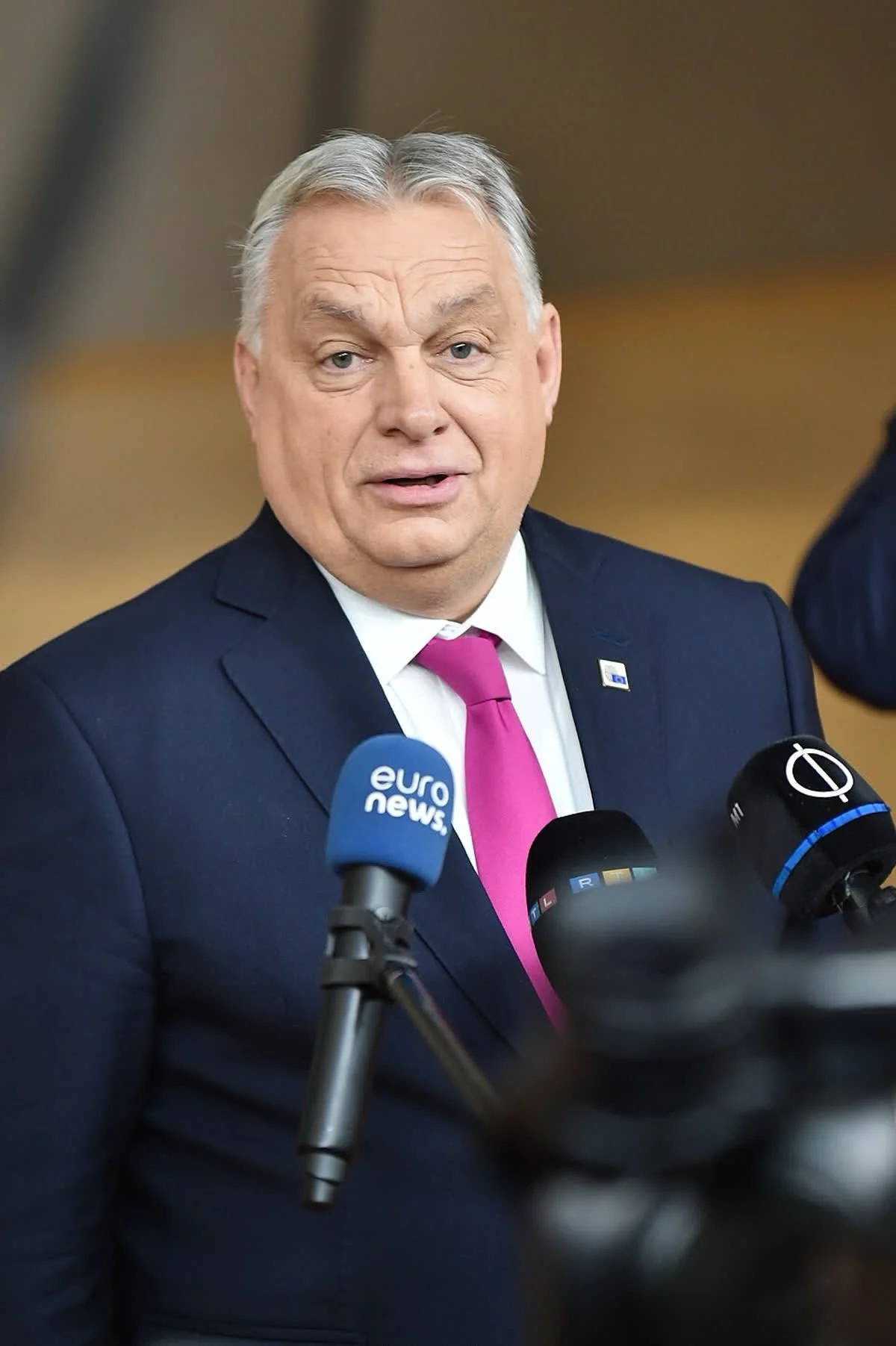
Photo courtesy of European Union/Wikimedia Commons
Sunday, Apr. 12, 2026’s parliamentary elections in Hungary saw a landslide victory for the pro-European, center-right Respect and Freedom Party (abbreviated as the “Tisza Party”), according to National Public Radio (NPR). It also saw the end of Viktor Orbán’s 16-year rule over the country, during which he and his populist far-right party, Fidesz, worked to erode Hungarian democracy, according to the Associated Press.
Orbán is a close ally of Russian President Vladimir Putin and U.S. President Donald Trump, according to The Guardian. Under Orbán, Hungary saw the constitutional rewrites that helped solidify his rule, the tweaking of electoral laws that made it more difficult for opposition parties to ever get a supermajority in the country’s parliament, and the appointment of Fidesz loyalists to lead major government institutions, as noted by Dr. Marietta van der Tol at the University of Cambridge.
Hungary also witnessed widespread corruption and the consolidation of 80 percent of the country’s media into Orbán’s hands, becoming “government mouthpieces,” as said by The Guardian. Under Orbán, Hungary has also aligned itself with Russia, blocking many attempts by the European Union (EU) to put sanctions on Russia and provide aid to Ukraine, leaving Ukraine isolated from the rest of Europe, according to Al Jazeera. Orbán additionally has gone after refugees, attacking the “rights of asylum seekers, in breach of EU law,” as further explained by Al Jazeera.
Economic stagnation and inflation began to weaken Fidesz’s image, according to Al Jazeera, and further damage was inflicted by the fallout of Pope Francis’s visit to Hungary in April 2023, after which—supposedly keeping with “Francis’s theme of mercy”—Hungary’s then President Katalin Novák and Minister of Justice Judit Varga pardoned 25 criminals, according to The Independent.
Following these pardons, it came to light that one of those pardoned—Endre Kónya—had been convicted of covering up child sexual abuse, scaring “children into withholding evidence of sexual abuse and paedophilia to protect his boss” at the Kossuth Zsuzsa Children’s Home, as reported by The Independent. Having campaigned on protecting family values, this scandal severely damaged Fidesz’s public image and popularity, and caused President Novák and Minister of Justice Varga to resign in early 2024, as stated by National Public Radio.
This scandal also caused the former long-time Orbán supporter Péter Magyar—and now incoming Prime Minister of Hungary—to turn away from Fidesz, going on television to accuse Orbán’s government of corruption and of “scapegoating female leaders.” He would then refound the Tisza Party and go on to win 30 percent of the vote in the June 2024 elections to the European Parliament in Hungary, according to National Public Radio.
Magyar quickly rose to become the “leader of massive anti-corruption demonstrations” and the head of the coalition opposing Orán’s government, according to The Independent, though “major protests against Orbán’s government began with student demonstrations demanding higher-quality education,” as explained by Dr. Elvira Viktória Tamus at the University of Cambridge.
In the 2026 parliamentary elections, Magyar primarily campaigned on “fighting corruption, restoring democratic norms, and reviving Hungary’s economy,” as well as restoring “Hungary’s ties with the European Union and NATO,” according to National Public Radio.
Magyar ran a campaign that traversed the entire country, “holding rallies in settlements big and small… [and] visiting up to six towns daily,” according to the Associated Press. He engaged with many voters in areas traditionally dominated by Fidesz, including in the city of Debrecen, a Fidesz stronghold since 1998, as explained by Dr. Tamus at the University of Cambridge.
With nearly 80 percent voter turnout, Magyar and the Tisza Party won a supermajority in Hungary’s parliament in a decisive victory that research director at Europion, Abel Bojar, has declared “truly unprecedented” with the “kind of political headwinds that… Magyar had to sail against,” as explained by National Public Radio. In Debrecen, all three Fidesz candidates lost, according to Dr. Tamus.
Tisza’s supermajority is especially important as it allows the parliament to amend Hungary’s constitution and change any law passed, helping begin what Professor Nora Berend at the University of Cambridge calls “de-Fideszization,” and the restoration of Hungary’s democracy.
At a press conference, Magyar would explain, “Our country has no time to waste… We will do everything in our power to ensure this truly marks the beginning of a new era… The Hungarian people didn’t vote for a simple change of government, but for a complete change of regime,” according to The Guardian.
Following Magyar’s victory on Sunday, celebrations erupted across Hungary’s capital of Budapest, according to the Associated Press, with Hungarian member of parliament Zsolt Hegedüs going viral for his dance moves at the victory party held in the city, according to The Independent. Additionally, The Guardian noted that leaders across Europe welcomed Magyar’s victory.
Magyar has promised to “swiftly implement anti-corruption measures, restore the independence of the judiciary and ensure freedom of the media,” open up investigations into how EU money was used under Orbán, amend the constitution to restrict the Prime Minister to serve only two eight-year terms in office, and has called on the Fidesz-loyal President of Hungary, chief prosecutor, and loyalists in major government institutions to resign, according to The Guardian.
This victory seemingly represents a significant defeat for the global far-right, with Viktor Orbán particularly popular among those in Trump’s MAGA movement, as said by the Associated Press, as well as the loss of a key European ally for Putin, as explained by The Independent. It also suggests widespread dissatisfaction among Hungarians to the “corruption, economic stagnation, high prices, low wages, as well as anti-Ukraine rhetoric and serious problems in public services” seen under Orbán, according to Elvira Tamus at the University of Cambridge, with Magyar offering a new course for Hungary after 16 years of Orbán’s authoritarianism and cronyism.