
SUNY Geneseo welcomes first ACE cohort to help students graduate on time
New SUNY program pairs advising, career coaching, and financial support for students
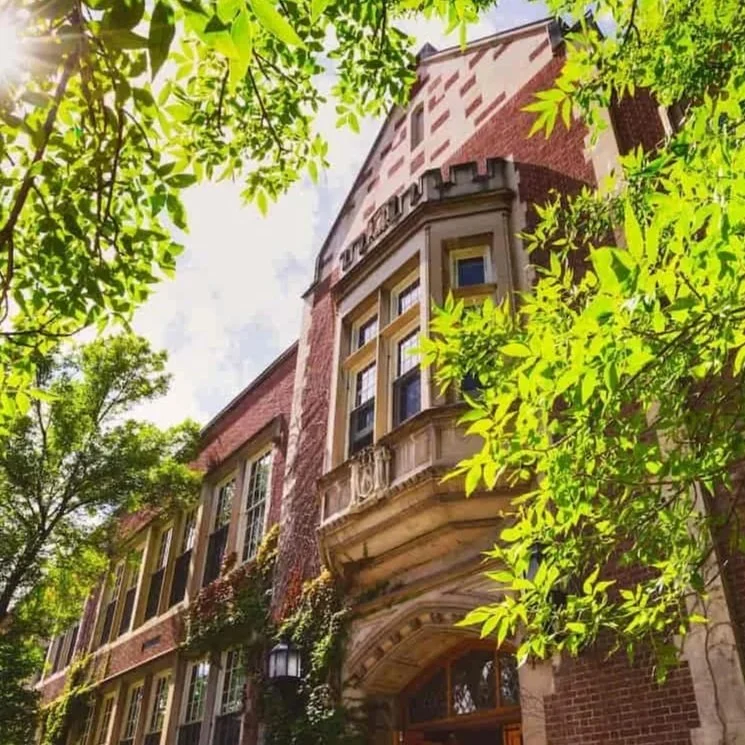
Photo Courtesy of SUNY Geneseo
This fall, SUNY Geneseo became part of a statewide effort to help more students finish their degrees on schedule. According to Geneseo’s website, the college’s first Advancing Completion through Engagement (ACE) cohort includes “150 students across 31 academic majors, more than 90% of whom are first-generation college students.”
ACE is one half of SUNY ASAP|ACE, which, according to SUNY's website, “helps students in both two-year and four-year degree programs stay on track and graduate on time with academic, financial, and personal support.” Advancing Success in Associate Pathways (ASAP) serves students pursuing associate degrees, while ACE serves those pursuing bachelor’s degrees. Both “are modeled on programs at the City University of New York (CUNY),” as noted by Geneseo.
At Geneseo, the ACE program “strengthens the college’s commitment to helping students turn access to a rigorous public honors education into degree completion and opportunities beyond graduation,” according to the college’s ACE webpage. Participants receive “intensive support, including academic advising, career counseling, and financial assistance for tuition, textbooks, and transportation.” Financial support for students details include a 550 dollar Cost of Attendance Award each year, while also receiving 150 dollars per semester for textbooks, and a monthly stipend of 50 dollars.
The program does come with requirements. As noted on Geneseo’s website, students need to “complete the Free Application for Federal Student Aid (FAFSA) and the New York State Tuition Assistance Program (TAP) application each year, and accept any federal or state grant awarded.” ACE students also must enroll full time—meaning at least 15 credits per semester—meet regularly with their advisor, and take summer or winter courses if they have not earned 30 credits by the end of an academic year. They also are not able to participate in the Educational Opportunity Program (EOP).
Geneseo’s program is part of a large statewide expansion. SUNY ASAP|ACE began in 2024. New York Governor Kathy Hochul’s office reported that enrollment grew from “4,270 students at 25 SUNY campuses in Fall 2024 to 7,050 students at 34 SUNY campuses in Fall 2025.” SUNY now aims to serve 10,000 students at 44 campuses by Fall 2026, as documented by the governor’s website and Geneseo’s ACE webpage. An additional eight million dollars in the 2026-27 state budget brings annual state investment to 20 million dollars, according to the college’s website.
Leaders in the college say the program fits Geneseo’s mission. At a recent College Council luncheon in SUNY Geneseo’s Milne Library, President Melinda Treadwell said that “[a]t New York’s public honors college, access and excellence belong together. Our responsibility to students begins when they arrive and continues through graduation.” Assemblymember Andrea Bailey, who also attended, said, “ACE provides practical support that can make a real difference, from help with everyday expenses to personalized advising. Hearing directly from Geneseo students today reinforces why the state’s investment in this program matters.” Costas Solomou, vice president for enrollment management, described ACE as “bold, student-centered work” when the program was announced in June.
Early data from SUNY suggests the model is helping students. In Spring 2024, ACE students at state-operated campuses had a credit completion rate higher than that of similar students not in the program. According to the article, “[a]cross SUNY, ASAP students’ credit completion rates for the spring 2024 semester were 20% higher than similar non-participants, and ACE students saw 9% higher credit completion rates compared to similar non-ACE students.”
Their spring-to-fall persistence rate was also higher: “88 percent for ACE versus 85 percent for non-ACE students,” according to SUNY reports. Earlier evaluations of the CUNY model found an 18 percentage point improvement in graduation rates, according to the governor’s office. While the results on the program may be preliminary, this seems to be a step forward in helping students in the SUNY program.