
A wind-powered cargo ship? A French company has made it possible
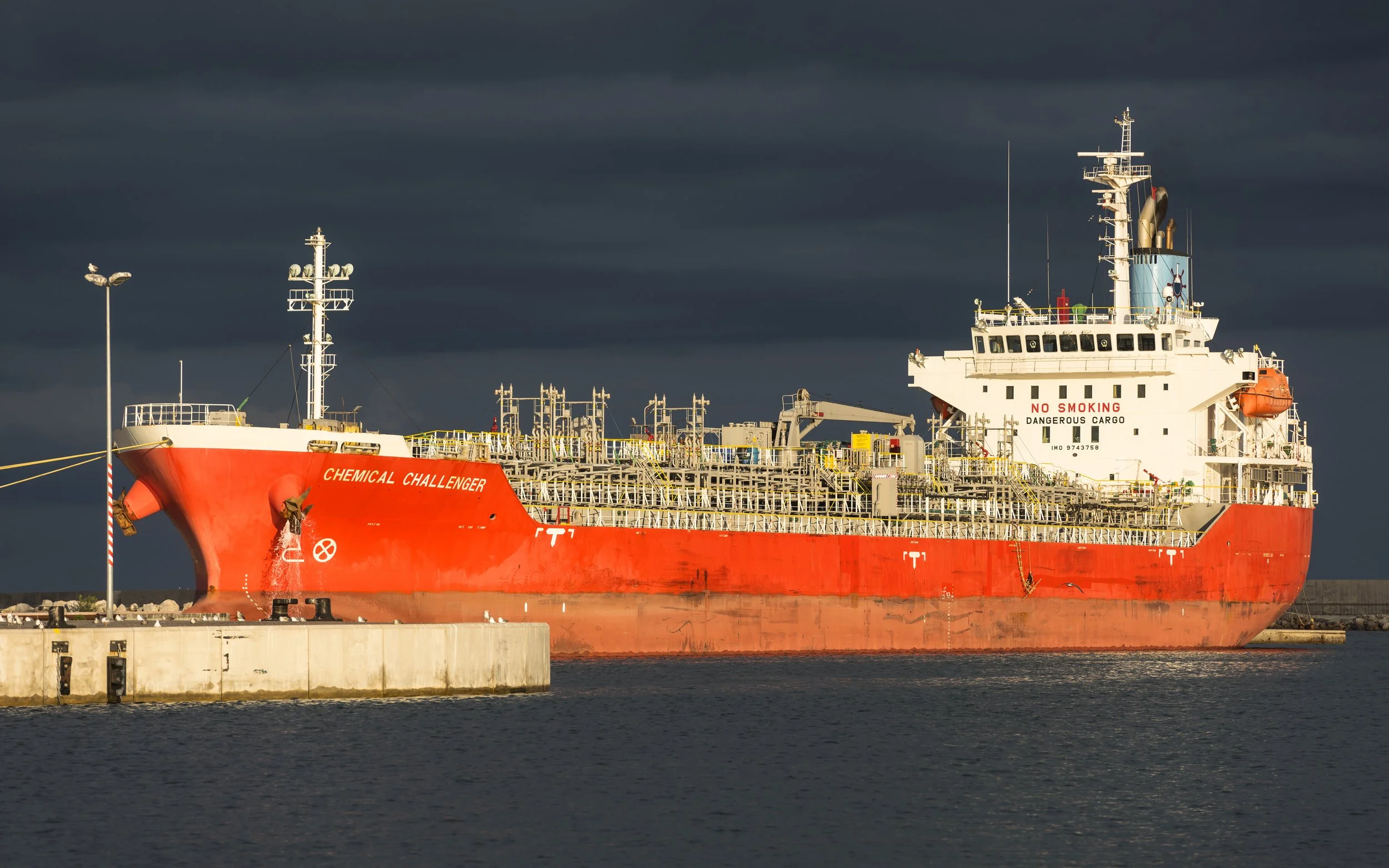
Photo courtesy of Christian Ferrer/Wikimedia Commons
In fall 2024, TFN reported that a French shipping company named Vela had raised 40 million euros (about 47.5 million USD) to begin designing a low-carbon cargo ship. According to CNN, this ship, the Neoliner Origin, could now launch in 2027. Vela was founded in 2022 with a goal of drastically reducing emissions from shipping. According to Chesapeake Bay Magazine, “the Neoliner Origin reduces CO2 emissions by 80% compared to a traditional ship of its size.” This initiative comes at a time when green energy has become a major concern of citizens and governments globally. However, most climate initiatives fail to focus on reducing carbon emissions in the shipping industry.
The goal of Vela is to transform the shipping industry from one fueled solely by fossil fuels, to one greener and better for the environment. According to the U.S. Environmental Protection Agency, the transportation sector, including shipping, accounted for nearly 30 percent of greenhouse gas emissions in 2022. Unlike most forms of transportation, Vela’s ship is 100 percent wind-powered, and plans to use a direct shipping route from France to the United States.
There are already variations of hybrid cargo ships that utilize wind power, such as “the advanced wind-assisted propulsion system, call[ed] Canopee,” as per Autoevolution. The difference in this ship is its total reliance on wind power. It is very unlikely that wind-powered vessels will totally replace traditional cargo ships, but they can drastically reduce the emissions from the shipping industry when used alongside those ships.
CNN reports that the ship was designed in part by “Vela cofounder François Gabart, a professional yacht racer and the fastest sailor to circumnavigate the globe solo.” Additionally according to CNN, “Vela says it will travel at an average speed of 14 knots — equivalent to the speed of a modern container ship,” which means that the change in fuel for the ship will have little to no impact on shipping times. Although the shipping speed will be slower than cargo planes, the ship’s direct route will make the speed faster than a typical cargo ship. Although speed is an important factor for wind-powered shipping, Vela reports that “Cargo integrity and transport resilience are what truly drive our innovations and shape our naval, logistical, and strategic choices.”
Additionally, the ship will have very little noise pollution compared to traditional cargo ships. According to CNN, underwater noise pollution from cargo ships “masks whale, dolphin and fish communication, disorients animals and disrupts hunting.” By reducing the noise pollution from their ship, Vela will also help to create healthier environments in oceanic ecosystems, and potentially reverse trends of damage to the ecosystems. Vela also designed their ship so that it “operates without ballast tanks. This eliminates the discharge of foreign water, drastically reducing the risk of spreading invasive species across oceans.” Many countries, including the U.S., struggle with invasive species harming their ecosystems; reducing the number of invasive species spread through transatlantic shipping can help to mitigate the damage done by shipping to the environment.
While Vela’s ship will likely not replace the traditional shipping industry, it can be considered a step forward toward a more sustainable method of shipping. By utilizing wind as its source of power, the ship is able to maintain shipping times whilst drastically reducing the emissions released.