
Hollywood has a recycling problem
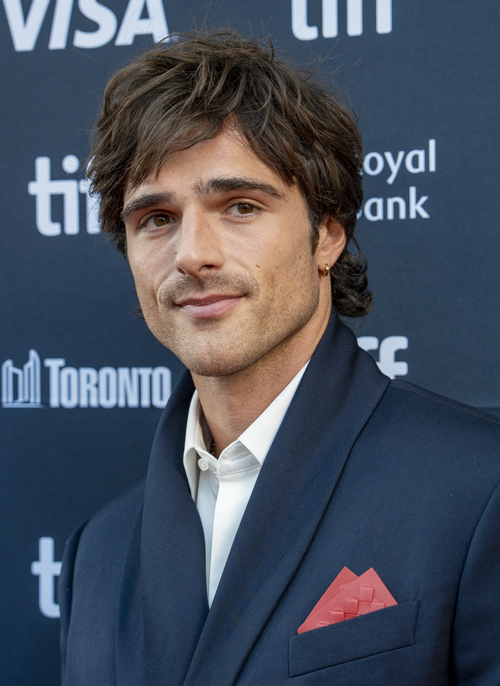
Photo courtesy of JoshPopov/Wikimedia Commons
Whether you love it or you hate it, unless you live under a rock, the re-use of certain actors in Hollywood is undeniable and ever so prevalent. Jacob Elordi, Paul Mescal, Florence Pugh, and Sydney Sweeney are a few names that cannot seem to catch a break from the limelight over the past couple years. A couple blockbusters you may recognize featuring them are Gladiator II (2024), Saltburn (2023), Barbie (2023), Anyone But You (2023), and Dune: Part II (2024).
Criticisms of this cycling of actors typically are not due to concerns about talent, but rather focus on what feels like lazy casting. However, this re-use of actors is not new to Hollywood. The industry is notoriously ruthless and has always put business first. Since its beginning, Hollywood's main priorities have been popularity, money, and minimizing risk. However, The Guardian states, the industry has become still more “increasingly risk-averse over the past few decades.” Popularity leads to exposure, exposure leads to profit. Audiences may roll their eyes at the same faces appearing again and again, but studios see recognizable names as built-in marketing. To Hollywood, a familiar face is less of a gamble than an unknown one.
That being said, audiences are beginning to notice and critique when familiarity crosses into predictability. Take Emerald Fennell’s adaptation of Wuthering Heights (2026). The film received controversy with many of the comments on the casting of Jacob Elordi as Heathcliff. As Forbes reports, “online, Wuthering Heights readers criticized Elordi’s casting, arguing that Heathcliff, as depicted in the novel, is not white, and that his racial identity is tied to his outsider status.” For many viewers, this issue is not about talent, but the sense that Hollywood once again defaulted to a highly marketable, overexposed star. In a story rooted in alienation and identity, the reliance on familiar celebrity faces reinforced the growing frustration that studios prioritize brand recognition over creative risk.
Similarly, the casting for Sam Mendes’s ambitious four-part Beatles biopic, The Beatles – A Four-Film Cinematic Event (2028), has received comparable criticisms. Featuring Paul Mescal as Paul McCartney, Harris Dickinson as John Lennon, Joseph Quinn as George Harrison, and Barry Keoghan as Ringo Starr, the casting decision received and continues to receive heavy criticisms, some specifically accusing the casting directors of "erasing the Beatles’ cultural heritage.” According to The Guardian, two claims particularly critique the failed opportunity and lack of effort to seek local talent around the Liverpool area—the birthplace of the fab four—and instead casting two English and two Irish actors, all of whom are dominant figures in film pop culture today.
With its notoriously brutal climate, Hollywood is no walk in the park for new talent.
According to a study shared by Backstage, “as low as 2% of actors are able to make a living out of acting.” Additionally, arguments regarding lack of creativity and decreased engagement have been a notable concern, as summarized in an article by the King Street Chronicles. Casting directors turning towards familiar faces rather than seeking fresh faces adds yet another crushing obstacle for underground talent to tackle. While Hollywood's ways cannot be changed overnight, taking the risk to cast a newer face if possible may be for the better.
One of my personal favorite examples of this “risk taking” in success is with the film The Holdovers (2023). The film is directed by award-winning and well-respected director Alexander Payne, and features seasoned actors such as Paul Giamatti and Da’Vine Joy Randolph, alongside debut and breakout actor Dominic Sessa. The film is deeply human, witty, poignant, and, best of all, authentic! Rather than getting distracted or feeling disconnected because of the already culturally established associations with the actors on screen, it allows for a unique, nuanced experience where audiences can be fully engaged and immersed, which plays a pretty big part in its merited success.
All in all, this strategic formula Hollywood continues to abide by is starting to feel too repetitive. Familiar faces will always have a place in cinema, and star power will always sell. While Hollywood may argue profit over risk, this limiting approach does not always mean success. In order to preserve groundbreaking storytelling, leaving room for risk and discovery is essential.