
Your passion project sucks, and it should
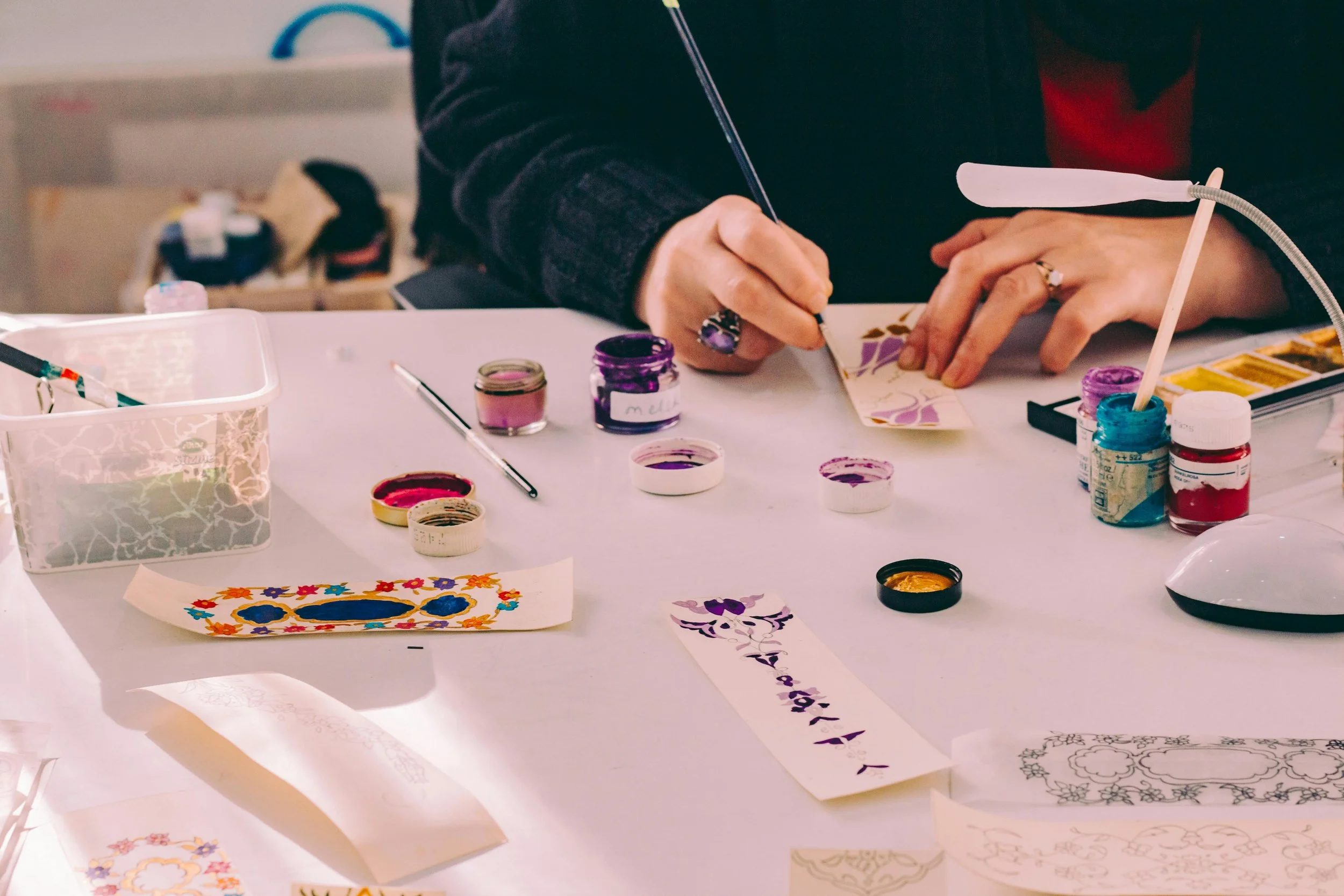
Photo courtesy of Sedanur Kunuk/Pexels
Sometimes focusing on perfection can limit your ability to finish a task; don’t let that stop you from pursuing your passions!
It is the process that matters, so get started on your passion project, and let your creativity shine!
For the last two years, I’ve sunk every ounce of free time into Sunflower Story Hour, a paranormal audio drama that aired on 89.3 WGSU. I would labor over winter and summer breaks crafting scripts and outlining each season’s new adventure, sacrificing cozy winter evenings and days beneath the summer sun. Admittedly, that’s where the passion in passion project comes from, yet I won’t lie and say that dim viewer engagement early on didn’t taint some of that drive.
However, whether or not the results match with said ambition, it doesn’t negate the fact that your passion project will not be your final project—at least you shouldn’t see it that way. No matter how long you’ve been perfecting that screenplay, concept album, short film, etc., placing the pressure of a “magnum opus” on your work is unfair.
Of course, everyone wants their work to be admired and impressive, but being consumed by the idea of success can get in the way of actually finishing the project. In fact, I’d argue that half of the glory of finishing a passion project comes from facing obstacles and the work ethic along the way. While you may want to scrutinize every little detail of your project’s development, it matters that you take pride in even being able to do that as well! In Sunflower Story Hour’s first season, I was still learning the ropes, but I was also hopeful that it wouldn’t be the only season of the show and that I would be learning so much more. Lucky for me, that’s exactly what happened. While I might still cringe at them and think about how I would do seasons one and two differently, the raw process of everyone’s efforts coalescing to make something cohesive and enjoyable is something I wouldn’t trade for the world.
When you work on your passion project, especially if it is a long-term ordeal, you will find that, after you finish one aspect of it, you’ll have grown and learned what works for you regarding your creative process. Maybe it’ll be uncovering a more efficient way to work or what software you use, maybe it’ll be as simple as when you choose to work. As you work, regardless of the field, you will continue to develop skills and your unique workflow, but that only comes with progress. Stagnation from overthinking will hinder how much you can grow and learn from the process.
Of course, I will always recommend that, before you finalize a project, you should seek second opinions. Staring at your work for too long only opens the door for invasive thoughts and scrutiny, and who knows how an audience will react better than someone with a fresh perspective?
While a passion project serves as a great resume piece and testament to your abilities, being able to explain the journey to the destination matters just as much. You aren’t just bringing this project to life—you are developing lifelong skills that you can apply to different situations. Do not give in to the idea of a one-and-done, especially so soon in your career. Even if this project doesn’t stand for everything you want to achieve in a career, there is so much you can learn from dedicating yourself to something. To indulge in your passion is to try. Don’t let “perfect” be the killer of “great” because admitting that you have more to learn is how you open yourself up to new opportunities.
Sunflower Story Hour meets its series finale this semester. While I’ve grown attached to it, it is no longer mine. It belongs to the world, this campus, and the many wonderful staff members who have made it come to life. It also isn’t my finish line. Keep working on your passion projects, and remember that you won’t find a finished product without progress and trying. Let the grittiness and the raw starting point be your motivator for pushing onward.