
The trickery of gym sciences
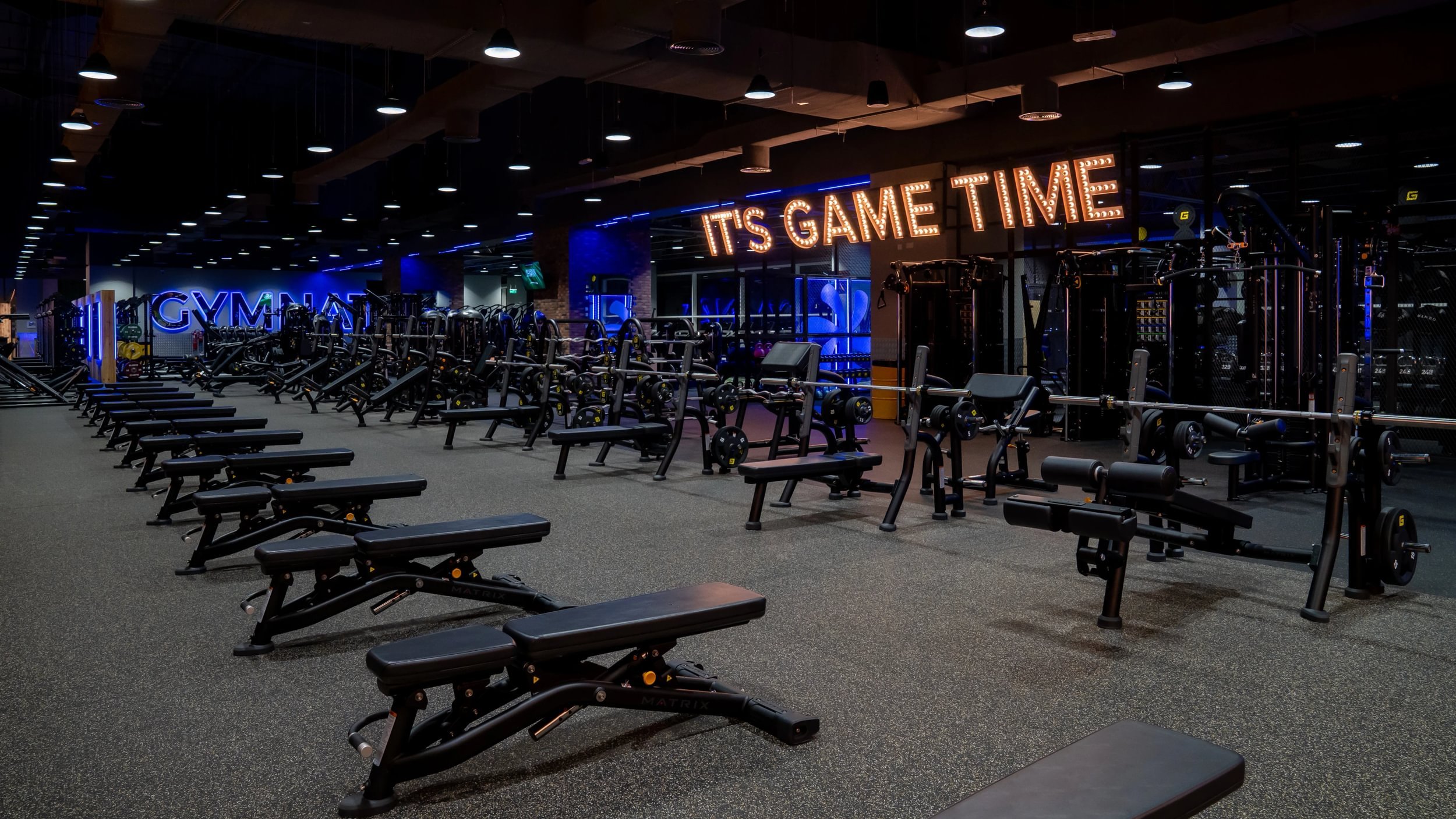
Photo Courtesy of GymNation- Wikimedia Commons
If you spend any time online, you most likely have encountered countless videos (either long-form or short-form) that aim to tell you the proper ways to be healthy. These videos always streamline as much information to you as possible in what the creators deem the most efficient way to get fit. Even though there are many videos that we swipe right past, some grab our attention through novel ways of presenting the same information, or through convincing you that their video is the ‘end-all-be-all’ of your fitness journey. As you may know, while sometimes providing helpful habits in the gym and at home, these videos can be heavily biased and damaging to the viewer.
While I may not be a renowned bodybuilder, I know that many people who have watched these videos cannot sustain the rigorous lifestyle changes these influencers suggest for ‘maximum gains.’ For the average person, their fitness journey is only part of their life, not the center of it. What works within one person’s daily life is not going to work for everyone else. By trying to convince people that their guide is a universal guide to fitness, these influencers eliminate the incrementation and individualization of small fitness goals.
These are the things that gym influencers often fail to realize when creating their content. For these influencers, their main vocation is being a bodybuilder or a personal trainer. These are noble occupations in their own right, but they definitely create a blindspot for gym influencers who do not know what it is like to balance fitness with other vocations.
In this way, gym influencers may not be influencing people, but rather manipulating them for content. Many videos are structured around a format where a shredded influencer will claim: “If you want to look like me, do this.” So, naturally, viewers will do the things that these influencers tell them to do because they are seen as a reputable source. However, over time, the lifestyle changes that these influencers demand may only fit temporarily with someone’s schedule.
This can be a very dangerous thing for the viewer’s self-esteem and mental health because most people do not understand the blindspot that influencers have. This is shown in the large bodies of viewership, likes, and comments with fitness posts and videos. In these interactions, many viewers will claim that they are doing, or have done, what is being suggested in the videos and do not see any progress. Seeing a lack of progress, while maybe motivational in some regards, can oftentimes negatively impact the relationship one has with their body. Thus, the viewer will continue to seek out content to find a fix for this lack of progress that they see as a problem.
Not to mention, these videos can be very discouraging when streamlining so much information in such a short amount of time. Viewers who do decide to follow the programs may fall off their schedule and get discouraged from trying again. With fitness, it is often said that consistency is key, so discouraging people from staying consistent not only hurts the psyche, but also further removes these viewers from achieving their fitness goals.
In my opinion, fixing the format of these videos could easily eliminate this negative relationship viewers have with the gym and even gym influencers themselves. There are many Youtube channels, such as Jeff Nippard, who show both the professional side of the gym and also the more recreational sides of the gym, tailoring content to specific audiences as opposed to generalizing their content. In this way, these influencers provide their audiences with an awareness that they can achieve their fitness goals through means that accommodate for their schedule.
Just like with anything else, the language that people use is very impactful on the way that others think. By changing the way that we talk about fitness, we can change the stigmas and prevent the harm that we do to our minds and our bodies.