
Stop pitting news stories against each other
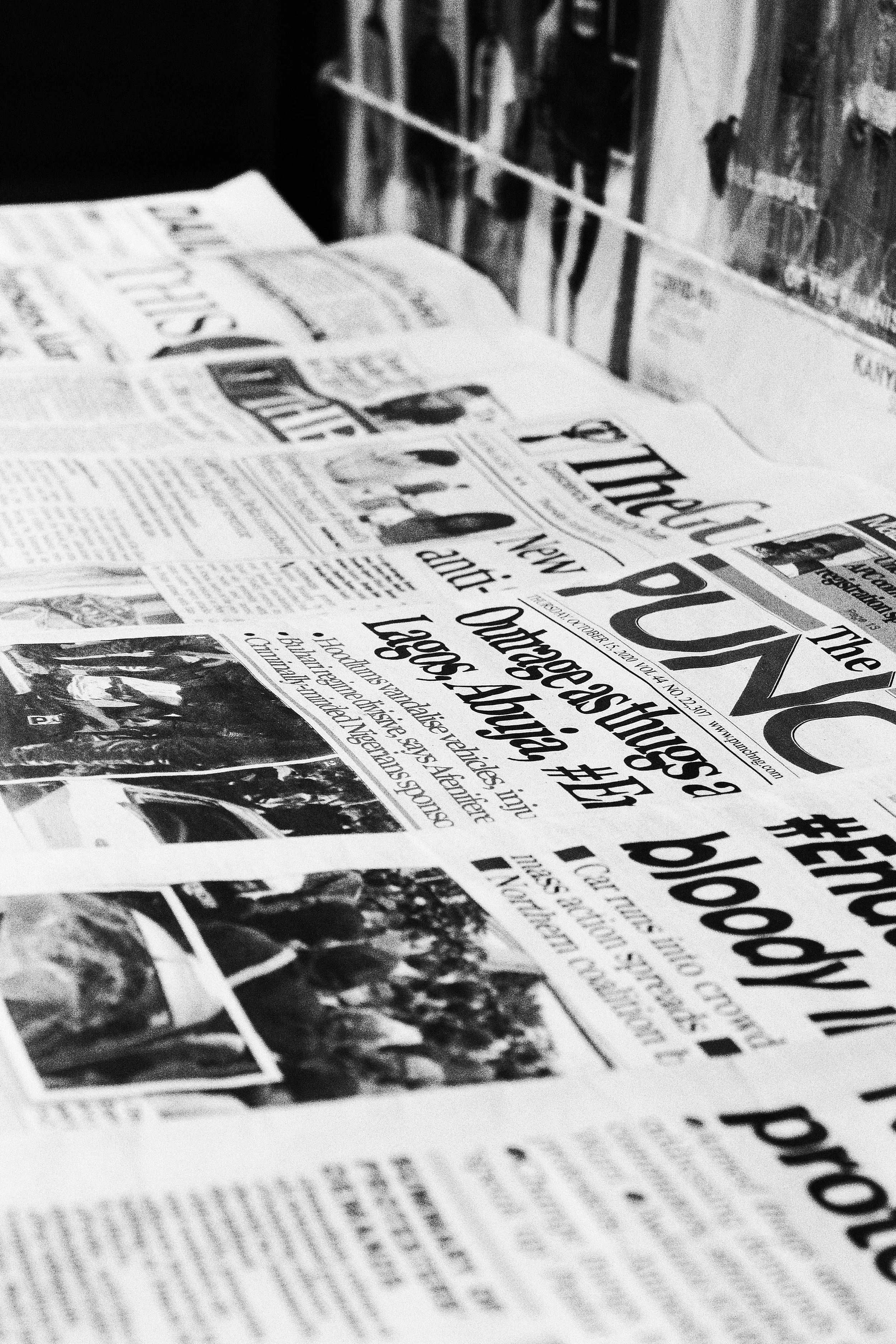
Photo courtesy of Muhammad-Taha Ibrahim/Pexels
Creating a value hierarchy in news articles is not productive. We should be encouraged to make connections across stories, not put them against each other.
“While the media has been distracting you with what’s happening in Iran, here’s what you SHOULD have been paying attention to…” This phrase, and variations of it, have been infesting alternative news feeds all over social media; rather than entertaining the idea of human capacity to loan attention to more than one horrific story at a time, many who report on social media find it far more advantageous to pit news stories against one another and assign blame both to those covering the bigger stories and those who fall for the bait—you, the reader, the sheep.
Before I go any further, I need to emphasize: the fact that the elite class maintains such tight control over the media and thus influences coverage in order to divert attention in ways that are advantageous to them is a certainty, I do not dispute that. What bothers me is the unabashed way in which observers, documenters, independent journalists, and other content creators play into the narrative of distraction, often not to inform readers and viewers in a well-rounded, responsible manner, but to leverage their supposed ignorance so as to generate more attention for their own coverage.
I dislike this rhetoric because it pits major happenings against each other in a hierarchy of importance, making a supplication to the short attention spans of consumers and giving in to the allure of the simplistic binary mindset. Somehow both insulting the limited attention of the audience and enabling it to thrive even more, the “should have” language indicts the consumer as negligent, ill-informed, or both, and negates the possibility, at least theoretically, of maintaining the capacity to lend one’s time to more than one current issue.
People turn to independent coverage to get the bigger, more nuanced picture that can’t manifest in the calculated and controlled narratives of larger corporate media, and I believe language like this plays into the great temptation of establishment media—simplifying through polarization so as to attract greater attention.
Although I understand the need for traction especially as independent news sources, I can’t help but feel that this framework undermines their integrity. To call urgently for attention to be brought to circumstances that are going without notice is a noble thing, but it doesn’t necessitate the reduction of concurrent issues into mere “distraction.” If anything, this practice of prioritizing certain stories over others is what creates the demand for independent journalism in the first place, to fill in the gaps.
At a time when it is so imperative to be mindful of who is responsible for developing and pushing the content you see, I believe that reducing this kind of accusatory rhetoric is a necessity. The competitive, polarizing nature of this approach to reporting and sharing is exhausting when it plays into political and journalistic landscapes which are already hated for the same behavior.
Personally, I think we could really use that nuance we miss out on by making news stories go to bat with each other for our attention. To imagine that what’s happening in Iran is a “distraction” from other similarly harrowing, transformative events across the world narrows reality, which we know for certain is much more interconnected. The Epstein files have made abundantly clear the extent of the webs spun by the elite, and because of this it is even more naive to imply that divvying up our attention span between events is the responsible thing to do.
In reality, responsible journalism should complicate the world for us more. It should bring to light connections across stories for a fuller, more complex understanding of the events themselves, even if it asks more of the audience. At no point should there be a competition which mutes the nuance of current events themselves.