
How pumpkin spice lattes took over the fall season
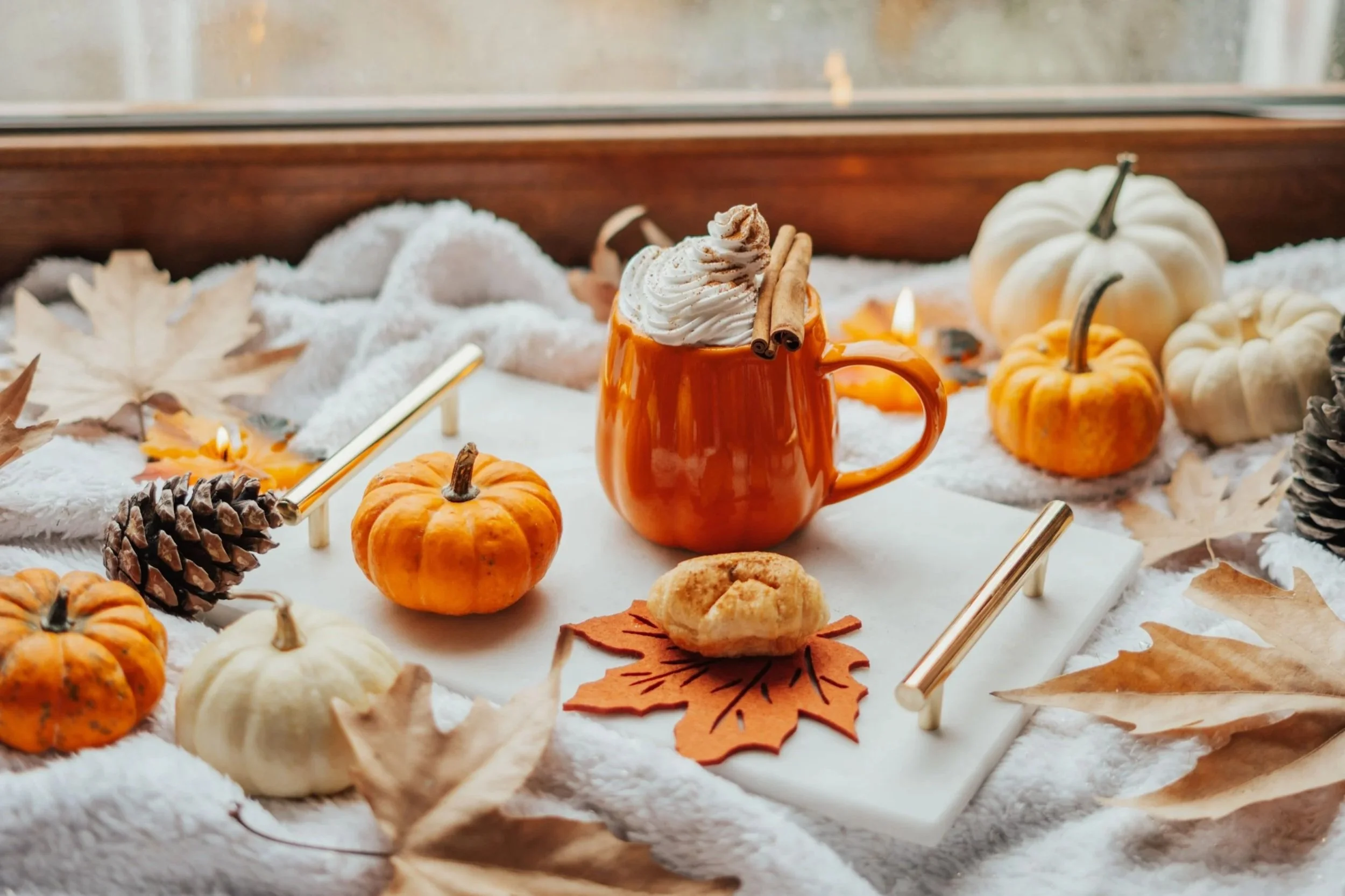
Photo Courtesy of Emine Aydoğdu- Pexels
As the weather gets breezier and the leaves begin to change color, suddenly your stomach rumbles for a sweet treat. You head to a cafe to be greeted by the warm, inviting aroma of a mixture of spices. Curious, you go closer to investigate the smell, only to find it’s the exact thing you were looking for all along: the pumpkin spice latte. Sent from the heavens, pumpkin spice lattes include espresso, steamed milk, pumpkin syrup/sauce, and a blend of traditional spices like cinnamon, nutmeg, and ginger, to name a few. It’s hard to imagine where a delicacy like this could have possibly come from.
If pumpkin puzzles are your specialty, then you have come to the right place. To trace the origins of this beloved dessert, we must go back to the eighteenth century.
Long before people argued over when sweater weather officially starts, a woman named Amelia Simmons published America’s first cookbook, American Cookery, in 1796. There, she published early American pumpkin pie recipes using spices like cinnamon, nutmeg, and cloves. Simmons had the right idea, but her technique required a lot of manual labor and made the confection difficult to make. This all changed in 1934 when, during the Great Depression, McCormick had the genius solution for that: instead of making bakers include each spice separately, they could pre-mix the blend. Slapping the words “pumpkin spice” on it, the deal was sealed, and history had been made for the better.
For a while, the spice sat comfortably on shopping aisles entirely for treats like Thanksgiving pies that needed that extra kick. Nevertheless, in the next seventy years, the biggest experiment was about to occur, changing the direction of fall treats forever.
It was 2003 in San Francisco, and Starbucks was already devising a plan for a fall seasonal drink that would complement winter hits like their Eggnog Latte and Peppermint Mocha. Scientists circled the lab, devising a potential recipe. It was then that Peter Dukes, director of Starbucks, thought of a potential pumpkin treat after he and his team ate pumpkin pie and immediately had a sip of hot espresso to figure out which spices would complement coffee the best.
Dukes and his team would spend three months attempting to perfect the delicacy, initially test-marketing it in 100 stores in Washington, D.C and Vancouver before making its official launch across the U.S. in the fall of 2004. By incorporating emotional branding and seasonal marketing, what was once seen as a fall drink slowly turned into a cultural movement and internet meme.
The pumpkin spice latte grew bigger than ever before; it became less of a drink and more of an internet sensation, giving birth to internet culture as we know it. Suddenly, enjoying a basic drink was more than just liking coffee. The term “basic” became synonymous with women who involved themselves in this newfound aesthetic. From baggy sweaters, leggings, iconic UGGs, and oversized scarves evolved the infamous “Christian Girl Autumn Phenomenon.”
But how did this delicious drink become the unofficial symbol of social media? Part of the answer lies in social media itself, where people’s consumer fixations can become memes overnight. The pumpkin spice latte became what it was because it was noticeable and familiar, widely available and mainstream. The very thing people mocked turned into a cultural tradition attracting fans every fall. What started as an experiment turned into a sensation.
So the next time your taste buds find themselves at your local Starbucks this fall, remember the potent palate of the pumpkin spice latte; don’t be surprised when you’re back in line for another one next September.