
Passion vs. performance
The fear of being authentic
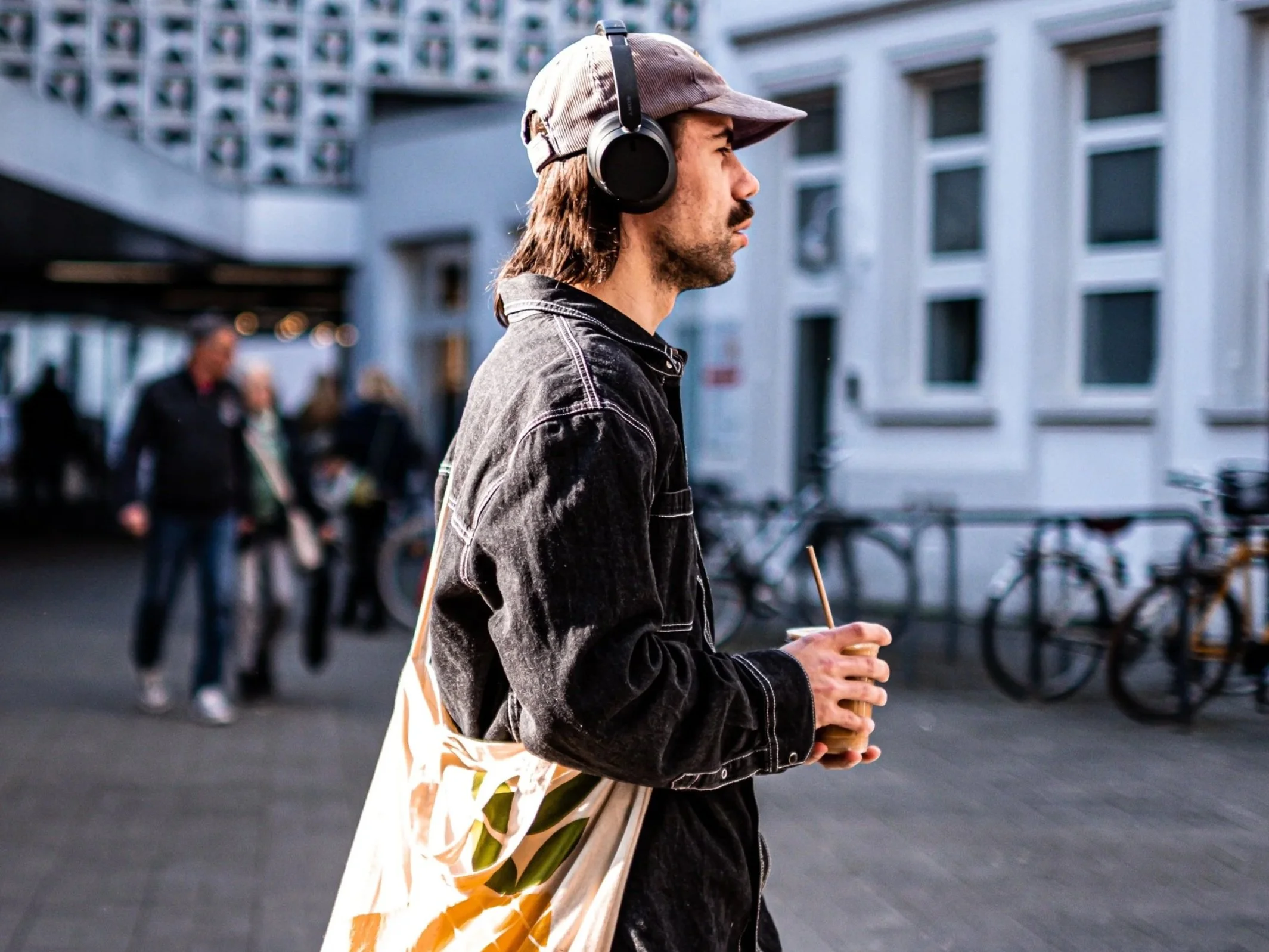
Photo Courtesy of Hakan Sapci- Pexels
It can be hard to judge authenticity. Performativity has become a plague.
In this day and age, the pressure to be perceived a certain way feels higher than ever for teens and young adults. Apps like Instagram, Snapchat, and TikTok put multiple people’s lives and well-being at our fingertips, making it easier to find videos of people doing anything, such as grocery shopping, hanging with friends, and just being out and about. With the possibility of being recorded, photographed, or posted lingering in the back of teenagers’ minds, young people have become increasingly aware of how they look to those around them, causing even ordinary moments to feel like they need an audience. Surveillance is out, and self-surveillance is in.
If you walk into any college cafe, you will likely encounter many types of people: people studying, making connections, conversing, and so on. But we aren’t focusing on the background noise. Right now, we focus on only two.
In one of the empty booths that contain four chairs sits a younger man reading the highly acclaimed novel Pride and Prejudice by Jane Austen. Beside him is a cup of matcha; he takes a sip. He looks calm, collected even. Maybe even...a little too collected, like there is an air of fallacy that lingers around him. On the chair is a sleek, leather bag adorned with various pins representing a multitude of social movements: Women’s Rights, Black Lives Matter, and an Ally Pride flag, to name a few. Hanging on the side of his bag, however, is a little labubu keychain, with its inviting but rather mischievous grin and fluffy fur.
On the surface, it may seem he enjoys feminist literature and supporting social movements, but upon further deciphering, his whole demeanor only exists as a performance. If you were to come up to him and ask if he truly liked those things and wasn’t just pretending, would he be able to engage in those kinds of conversations? In the case of this performative male, the answer is: probably not.
Across from him, a lively group of peers huddles around a computer, excited for their favorite streamers to start playing a newly released video game. Most of the peers are male except for one; in the middle of the group is a girl. She speaks highly of the game, a tumultuous passion, claiming her uniqueness and exaggerated reactions only to keep her male friends engaged. She occasionally rolls her eyes when her guy friends ask why she doesn’t shop, do makeup, or have more girl friends, claiming she isn’t one for the “drama” and that men are more low-maintenance compared to women.
Once again, there are questions this raises for us. Is this her genuine hobby that she is interested in or does she feel like she must act out for the attention of her peers? On the surface, it would appear that she is genuinely interested, but maybe racing around in her mind are thoughts of whether or not this act is sufficient in helping her to fit in.
In this scenario, these characters aren’t simply living but performing for anyone willing to watch, which isn’t necessarily new. Recent research from Wesleyan University found that young people are especially aware how they present themselves on social media, which can make performance feel almost unavoidable. Influencers have constantly used their lives for content and views for years. What has changed is that we now do the same. Performance is no longer reserved for people with millions of followers; it can happen anywhere, whether in a college cafe, a private Instagram story, or in front of a group of friends. This isn’t to say that all girls who play video games are attention-seeking or all guys who like reading feminist literature are performative, but the line between simply being yourself and performing a version of yourself is increasingly getting blurred.
So why is everyone afraid to be themselves? Is it shameful to live a life of whimsy, or have we become so concerned about how people perceive us that even genuine enjoyment feels embarrassing? Maybe it’s all in our heads. This built-up fear is deeply rooted in our struggle to simply be ourselves, rather than constructing ourselves in ways we think others will like.