
Meaningful queer media to watch
Takeaways from Heated Rivalry (2025- ) and But I’m a Cheerleader (1999)
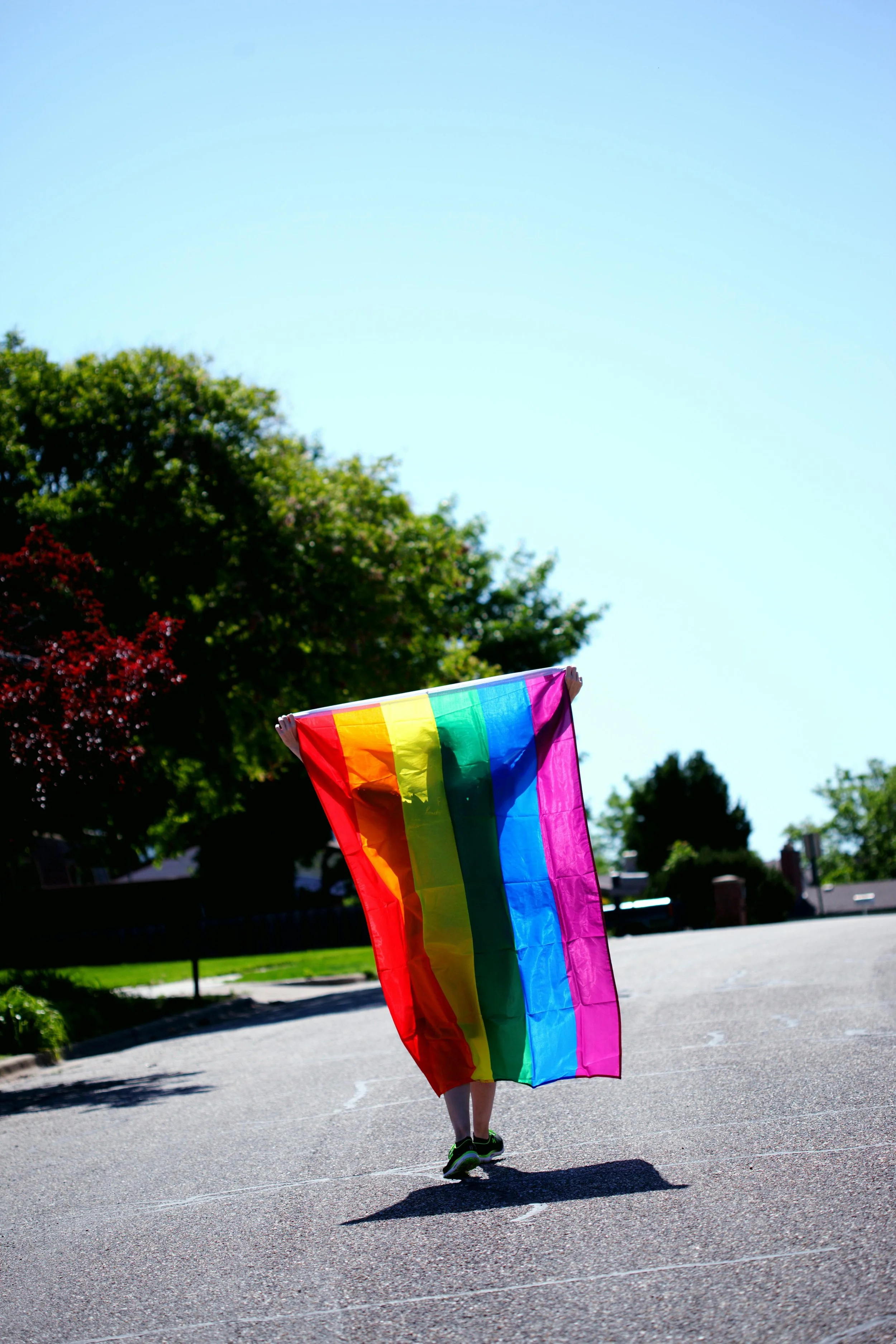
Photo courtesy of Alexander Grey/Pexels
With the sudden popularity of the TV series Heated Rivalry (2025- ), I thought it would be appropriate to discuss a bit about queer media representation and the way we talk about TV shows and movies with queer characters—and what better time to do so than right around Valentine’s Day?
Heated Rivalry (2025- ) gained a significant amount of media attention this winter, with the first episode airing in late November; if you are anything like me, you bought into the hype and watched the entire series over our perfectly timed winter break. Your feed on social media might also have been inundated with edits, clips, and reactions to the show and the stars of it, Connor Storrie and Hudson Williams.
This hype was, in my opinion, entirely merited. However, I also found myself feeling disconnected from people whose sole focus was on the admittedly intense sex scenes scattered throughout the series, but primarily in the first couple of episodes. There is nothing wrong with finding those scenes particularly grabbing, or enjoying them, or however you want to describe the mass hysteria they seemed to inspire. These scenes seemed to attract a sense of scandal; when people talked about the show, it was not typically a reflection upon the deep romantic bond between the two central characters—instead, it was with simple delight in the taboo nature of their physical relationship. The more I talked about the show to other people, the more I developed an understanding that we did not experience or understand the show in nearly the same way.
When I watched Heated Rivalry (2025- ), I felt deeply emotionally affected by the struggles they faced as queer NHL players, and what they meant for who they could be publicly; nonetheless, what I appreciated about the show was that, while it grappled with the difficulties of being queer, it did not linger on them. It allowed queer audiences the joy of seeing a relationship that succeeds, and a love that prevails. There is a scene in the show in which Shane Hollander, one of the main characters, comes out in a rather forced and unplanned way to his mom, expressing that he tried to do and be what she wanted, but could not; she immediately accepts him, immediately apologizes for making him feel that she would not love him unconditionally, or that he had to try to be anything he was not for her sake.
The show, to me, was not at all about sex. Or, rather, it was not only about sex. It was about love, pain, and self-discovery and acceptance—of which sex was an undeniable part, but not everything. In reflecting on the public reception of Heated Rivalry (2025- ), I could not help but wonder if it was simply a matter of audience—a matter of who is relating and who is spectating.
I was thinking about this phenomenon recently while watching But I’m a Cheerleader (1999) with some friends—an incredible romantic comedy that every single person should watch at least once in their life. However, having watched the movie with both straight and queer friends, I must say that I think we are taking away very different things, in the same way that I think different groups are responding to distinct parts of Heated Rivalry (2025). But I’m a Cheerleader (1999) is funny and ridiculous, but at the same time, deeply heartwarming and emotional. The movie takes on the experience of being a lesbian in suburbia, where young Megan (the central character) is sent by her parents to a mockery of a conversion camp (“True Directions”) run by “former gays.” While there, though, instead of turning into the perfect and proper straight girl her parents desired, she falls in love, eventually leaving the camp (foregoing any parental support or possibility of returning home) to live her love truly.
Every time I watch But I’m a Cheerleader (1999), I end up crying. It is primarily a comedy, yes, but there is something so raw and so special about the love of the main characters. There is something deeply relatable for many queer people watching the movie—the decision between the easy path (denial) that is not actually easy at all, and the difficult path (self-acceptance and expression) that comes with its own difficulties, but more importantly, freedoms. When I watch the movie with straight friends, I cannot help but feel that there is something there that is not being understood—and the message becomes twisted, simplified, or altogether obfuscated.
I experienced watching Heated Rivalry (2025- ) and But I’m a Cheerleader (1999) in similar ways. These are both pieces of queer media that do not force us to solely focus on the tragic parts of being queer—but neither do they deny those tragic parts. Instead, they confront them; they deal with them as part of the reality that queer people frequently experience, but they allow for joy, love, comedy, and normality alongside it. I hope that the success of Heated Rivalry (2025)—even if audiences are watching for different reasons and leaving with different takeaways—demonstrates the deep desire for and appreciation of queer media, despite frequent expressions of outright hostility in the media and increasingly so under this administration.