
Geneseo’s Rape Aggression Defense Class
What does inclusivity mean in addressing violence?
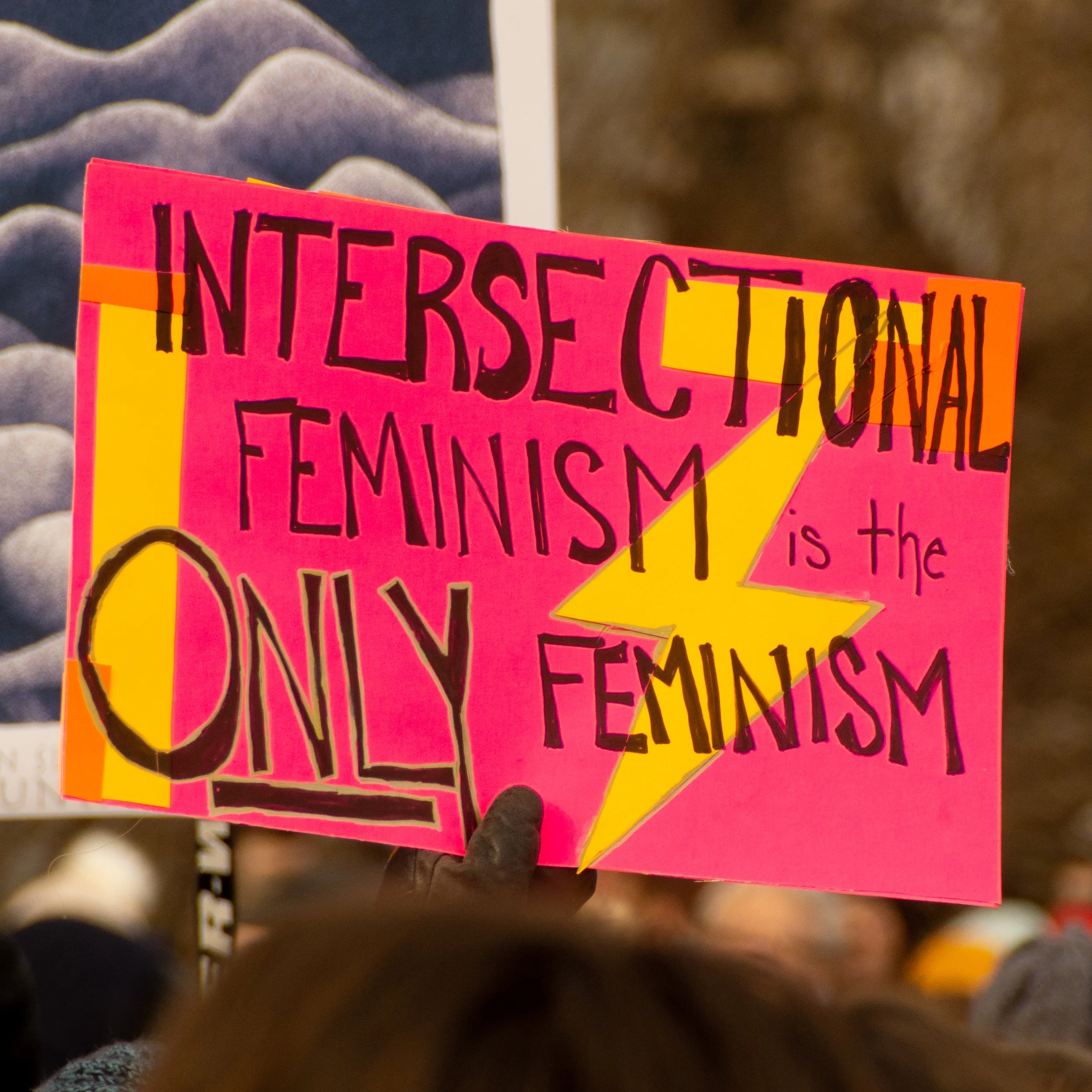
Photo courtesy of Marc Nozell/Wikimedia Commons
Recently, Geneseo announced a series of rape aggression self-defense classes with the University Police Department (UPD)—four sessions spread throughout the month of April. In this announcement, they stated that the sessions were “open to all female presenting students and staff at SUNY Geneseo over the age of 18.” The specific language used here—the exclusivity of the session established—prompted many members of The Lamron to question why that exclusivity exists, and, further, if it should exist at all.
Arguably, rape is—or has become—an issue that is primarily centered around people who identify as women. Statistically, women experience rape and sexual assault more frequently than men, and, as noted by the National Sexual Violence Resource Center (NSVRC), “Nationwide, 81 [percent] of women and 43 [percent] of men reported experiencing some form of sexual harassment and/or assault in their lifetime.”
Women’s Aid addresses that disparity in experienced sexual violence, stating, “Whilst both men and women may experience incidents of inter-personal violence and abuse, there are important differences between male violence against women and female violence against men, namely the amount, severity and impact. Women experience higher rates of repeated victimisation and are much more likely to be seriously hurt (Walby and Allen, 2004; Walby and Towers, 2018) or killed than male victims of domestic abuse (ONS, 2025a).” We can see, both statistically and on a cultural level, how women have been objectified and victimized, and how our rape culture has created an environment where the experience of “being a woman” is intimately and inextricably linked with gender-based sexual violence.
With this lens, we might understand why the exclusivity exists for the advertised self-defense classes. Perhaps Geneseo’s University Policy Department was simply trying to create a safe environment for the population on campus that would likely be most affected by sexual violence; perhaps they were worried that there might be female-identifying students who would be made afraid or uncomfortable by the presence of male-identifying students, and thus not attend the sessions. This would be a more pressing concern given that the population they want to reach likely have previous trauma with sexual violence, and, statistically, that trauma is frequently experienced at the hands of men. Nonetheless, in conversations with other students, concerns have arisen regarding this exclusivity as well as the particular language used to establish it.
Many felt that, especially given how little attention is often paid to sexual violence experienced by men, this exclusivity sent an unfortunate message: that women—and, actually, simply “female presenting” students—are the only people who could realistically benefit from rape aggression self-defense classes. Many students feel that this message erases the experiences of men who have suffered from sexual abuse, and contributes further to a culture that—primarily as a product of misogyny and the misguided understanding that victims of sexual violence are “weak,” a trait largely tied to women—rarely addresses rape experienced by men. Is excluding “male-presenting” students from these sessions, even if it was done with the best intentions, ultimately furthering that culture?
Additionally, there are a slew of other questions that immediately come to mind upon reading that announcement, including: why did they use the particular phrase “female presenting”? What does it mean to present as female? And how is that a standard that can be judged in any meaningful way? In reality, it is impossible to discern on presentation alone how an individual identifies. Attempting to do so only results in confusing, fruitless, and arbitrary distinctions and categorizations that reinforce gender norms and contribute to further exclusion.
Creating inclusive spaces to address sexual violence is a complicated issue. It can be challenging to cultivate an environment that effectively addresses the trauma of survivors without resorting to exclusivity measures. We can appreciate the efforts of our campus UPD to promote a safer environment in providing these classes while still recognizing that creating arbitrary classifications—such as “female presenting”—does not seem to be a productive solution.