
The public response is often “no”
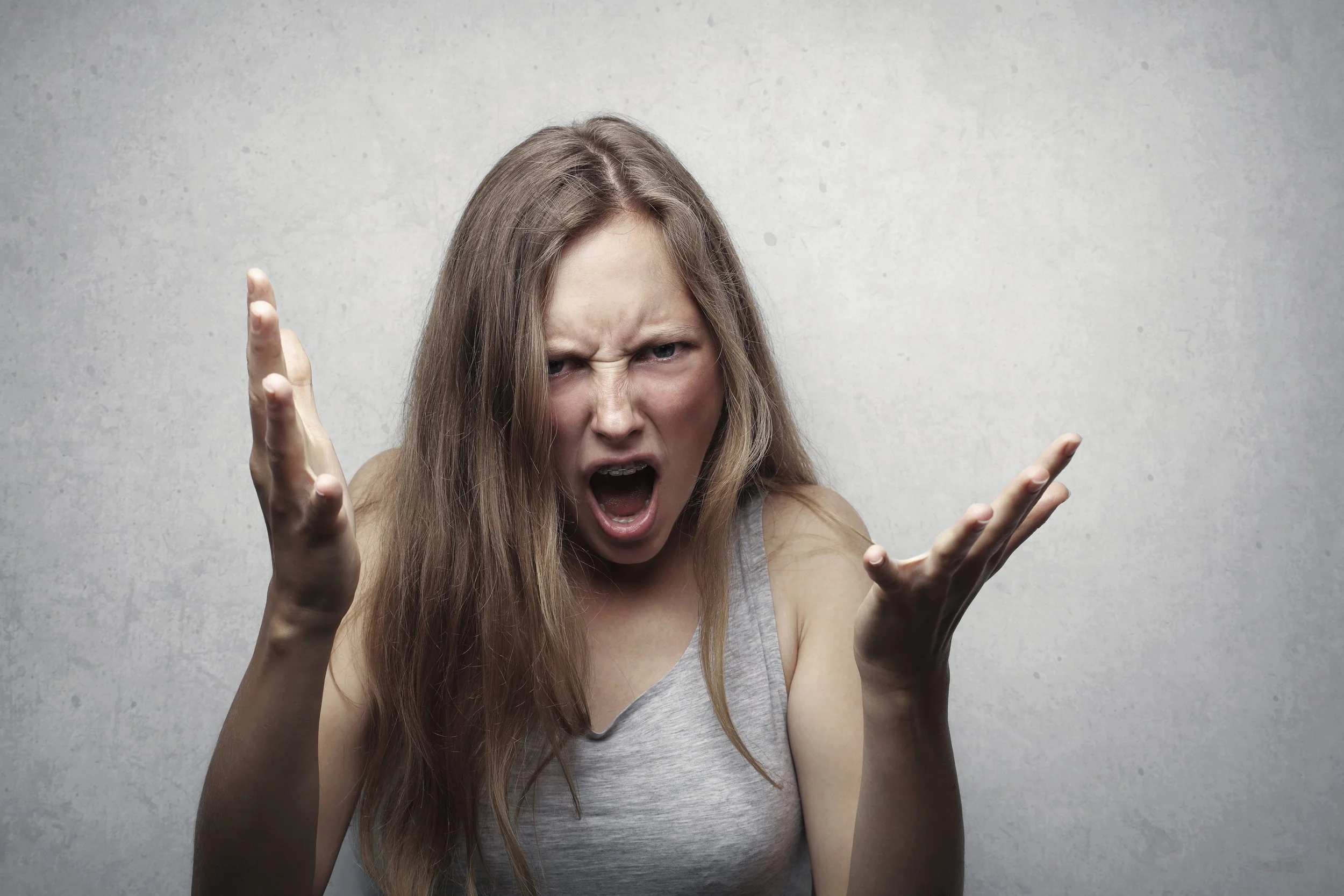
Photo Courtesy of Andrea Piacquadio- Pexels
Recently, comedian Vittorio Angelone has gained attention for an insensitive and offensive comment about Rebecca Goodwin, an OnlyFans creator and influencer. The comment, which was actually made in December of 2025, was reportedly posted to Vittorio Angelone’s social media earlier this month. It was made as part of a broader “roast” event; the “joke” reads: “Who’s raping Rebecca Goodwin? That’s a joke. Of course it’s her dad.”
Goodwin—who is a survivor of sexual assault, and whose case is currently being heard in court—responded to the resurfaced comment on social media. In a video posted to her TikTok page, Goodwin stated, “Now I understand comedy and I know it’s something that should just be laughed off, but when I say that [this] is one of the hardest things I’ve ever been through in my life, I’m not exaggerating. And it just hurts to know that so many people have said ‘yeah, you know what? That’s a great joke.’”
Following an outbreak of public scrutiny, Angelone posted an apology on his Instagram account. He stated, “I made a joke that I shouldn’t have made and I’d like to say sorry.” He admitted that he was “completely pathetic” and stated that he reached out to Goodwin individually to apologize. He asserted that he was not apologizing “in the hopes that this all blows over,” but instead “because that’s what you should do when you realise you’ve done something wrong.”
The response to Angelone’s apology has been mixed. Many feel, understandably so, that his apology cannot quite erase what was said. It hurts to see yet another “joke” about sexual violence in a culture that consistently ignores survivors, protects rapists, and belittles women who try to speak up.
At the same time, for me, this situation—and discourse that frequently occurs on social media—raises questions about accountability and our understanding of an individual’s ability to change. In the comments section of Angelone’s apology, one user asserted that “being from [B]elfast, where there is a major issue with violence against women, you should know better.” Another user responded, “he’s apologised now, what more do you want him to do?” to which the original commenter retorted, “know better to not say it in the first place.”
I don’t think that survivors, or Goodwin herself, need to accept Angelone’s apology. I think that if people cannot view him the same way, that’s completely understandable. If he loses brand deals or partnerships, then it will have been a rare instance of people genuinely taking violence against women—whether that be verbal or physical—seriously. But that attitude—that Angelone genuinely cannot move forward and change as an individual because he simply should have known better in the first place—scares me.
Maybe I was primed to feel this way based on current internet discourse. Recently on X (yes I hate that I’m on there) one user posted, “my actual wokest opinion is that [I] lowkey do not believe in a ‘former’ racist.” This sparked huge backlash and debate in the comments section and quotes.
Some responses—all of which gained traction—included, “that means you are actually conservative,” “Believing nobody has the capacity to change for the better seems like a very depressing worldview,” and “do people that think like this even want the world to become a better place.” One of the most-liked responses asserted, “If we both agree that people fundamentally cannot change their beliefs or be better human beings, then what is the point of fighting for equality and what do we do to these people when we are in positions of power since it’s been foregone that they cannot change?”
I am a bit conflicted. On the one hand, I really understand that it is hard for the people hurt by the “before” version of a person to accept the changed one. I think they have the right to be hurt, and the right to decide that they don’t want to associate with that person. And I think it is important for those who have reformed their beliefs to understand that it is an ongoing process, and that—particularly where racism is concerned—you can’t just say “I’ve learned, I’m sorry” and be done there.
Still, I think that we need to have room for people to grow and change. I think that many or most people’s beliefs and values will likely shift as they age and grow. College is often a huge opportunity for people from isolated communities to widen their perspectives and open their minds to new ideas. When I was a teenager, the internet served as that space for me—an opportunity to witness what other people were thinking, beyond what I had been taught to understand. If we shut the door on that change, if we explicitly state that it is not possible, we might stunt actual achievable growth for many people.
Accountability and forgiveness are really challenging when seriously harmful beliefs and actions are at question. But I think that believing they are impossible is detrimental to our future. In a world that seems to have violence and hatred at every turn, I think it is important for us to have hope in change and work toward educating ourselves and others to be better.