
Being human in an online world
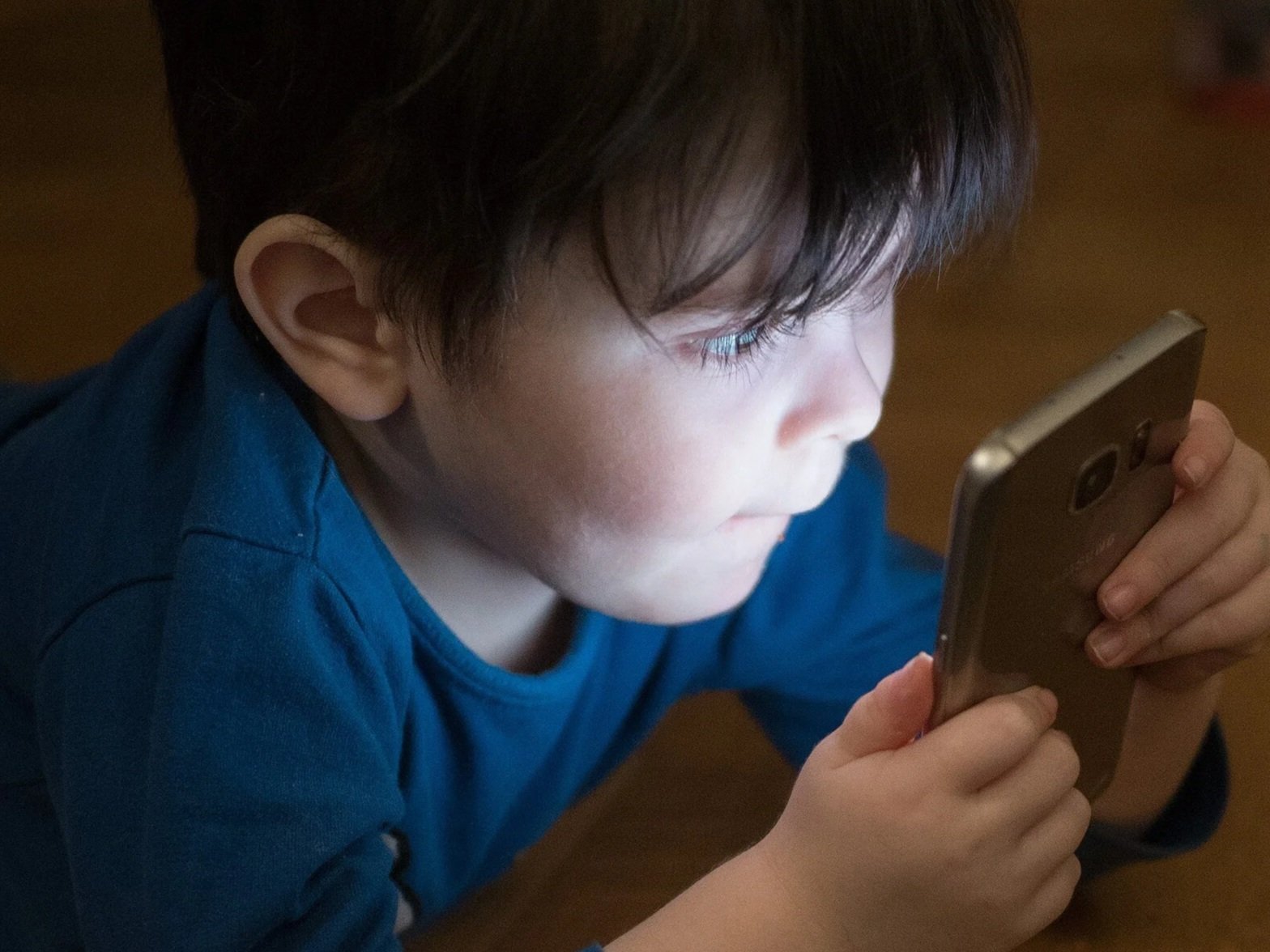
Photo Courtesy of Andi Graff- Wikimedia Commons
Giving children cell phones is a new parenting trick that may have massive consequences. Consider the consequences of phone use the next time you pull out your phone for a scrolling session!
It is not uncommon to hear someone lamenting the attachment—the addiction—so many of us have to our phones. In fact, most of us now readily admit that we love to spend time ‘rotting’ in our beds, scrolling TikTok and Instagram reels, and letting the hours slip by as we stare at our screens. Recently, while admittedly scrolling on my phone, I came across a post calculating the time we spend doing just that, and the results were a slap in the face: a daily screen time of two hours—if maintained for a year—equals an entire month.
I think we have all heard hot takes about what our screen time is doing to us socially and psychologically; it is handicapping our ability to interact with other people, it is shortening our attention spans, it is causing depression, anxiety, ADHD, and a myriad of other problems. It might simply cause you a daily sense of lethargy and sadness. On the other hand, you might have heard these hot takes and found them personally unrelatable; you might be able to rot on your phone for a few hours and then successfully move through the world unhindered, with joy, connection, and a pure focus on what is happening in front of you.
Based on my conversations with people, while many confess to feeling shorter attention spans, or even those feelings of lethargy and sadness, most people still believe they can effectively separate their online life from their in-person one. They might think that they can put their phones down, go out into the ‘real’ world, and leave the toxicity of the internet behind them.
I think that this ignores the actual consequences of the content we consume on our beliefs and attitudes. Having recently spent an unfortunate amount of time on X (formerly Twitter), I have been reflecting on what it means for us that so many people spend hours of time in that cesspool of hatred and bigotry. When priests at my parish back home spent their homilies telling us to put our phones away and enter the ‘real world,’ I began to question how we can divide the real world from the online one when the latter is so deeply entrenched in our lives. What makes what happens online less real than what happens in person? The internet, as much as I hate to admit it, is full of real people (even if a portion of online content is now produced by AI) interacting with each other and expressing their worst thoughts freely.
It is hard to comprehend that the people who post on these websites are actually people—people with complex lives, people with families. They are people who clock into their jobs (maybe), who take their dogs on walks (hopefully, if they have them), who vote (if they believe in ‘the system’). Understanding that reveals a greater gravity to our current situation; I cannot quite as easily talk about social media and the internet as this separate, ambiguously toxic bubble with effects we can avoid if we just don’t touch it.
Social media maybe has the power to be a positive force. It can connect us with people around the world and broaden our perspectives as we are exposed to different viewpoints. Honestly, it did that for me when I was 15 and first entering online spaces with people who had similar interests but drastically different experiences and worldviews. Nonetheless, being online at that age also exposed me to content I had no business seeing and instilled in me a pervasive sense of hopelessness. It fed on my fears and insecurities and pulled me into a space that cultivated my worst qualities.
I see social media as worsening our political polarization, entrenching ‘us’ versus ‘them’ mentalities, normalizing violence, numbing us to the news, and creating a passive population with minimal political efficacy aside from posting or reposting infographics. I am not sure what we can do to address this on a larger scale; we all need to start having serious conversations—conversations that don’t separate the ‘online’ from the ‘real,’ and instead reckon with the fact that the person you interact with in the checkout line may very well be the person you viciously fight in a comments section. On an individual level, I implore you not to spend a month of your year attached to a screen.