
Titanic life jacket sells at auction for a titan-sized amount
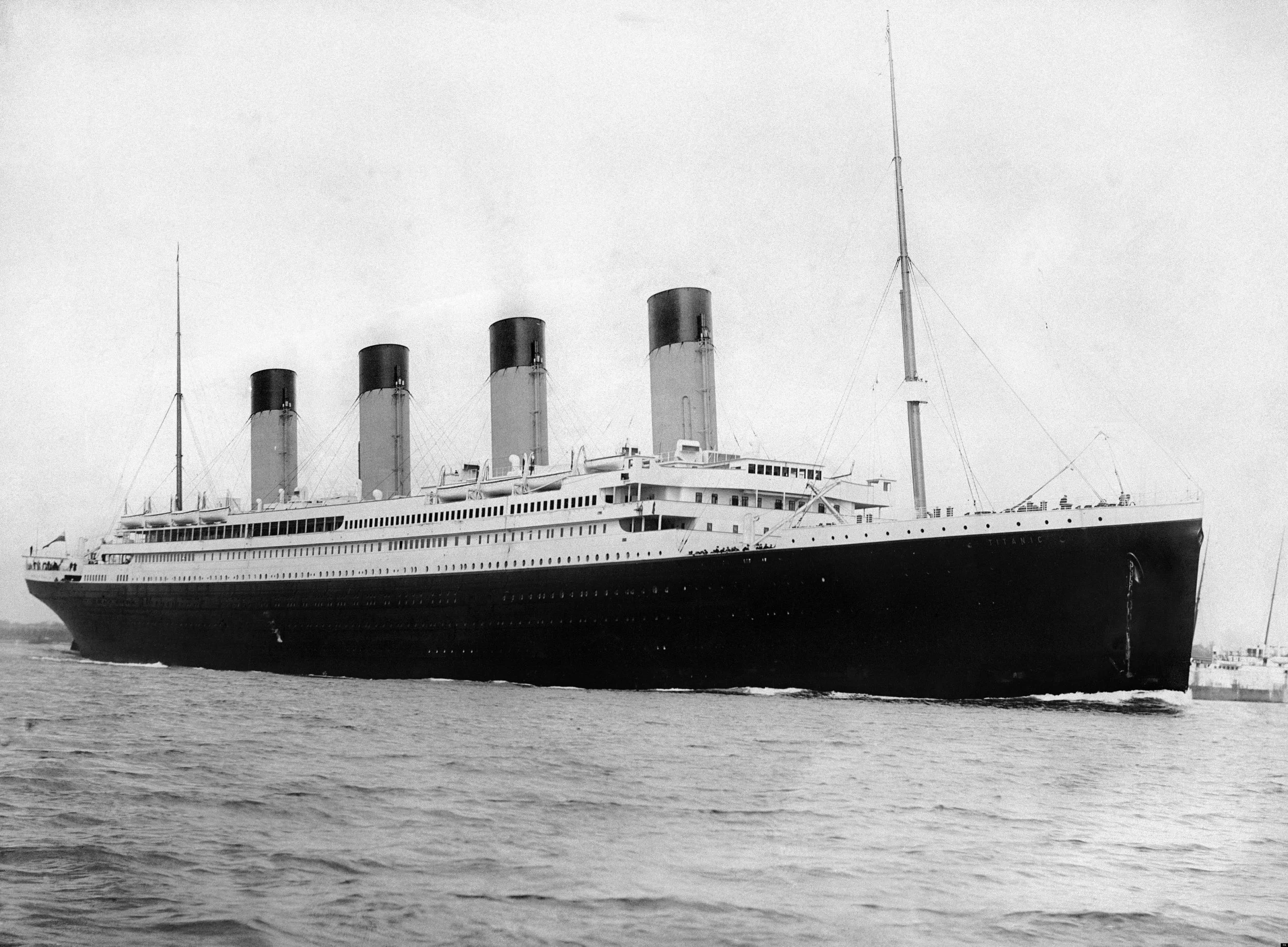
Photo courtesy of uwants.com/Wikimedia Commons
A rare life jacket from the RMS Titanic, as per AP News, has sold at auction for more than 900,000 dollars— an exorbitant figure that both highlights the enduring fascination with the doomed ocean vessel and raises many pressing questions about how its surviving artifacts should be preserved. The floatation device, which was made of a cork-lined canvas, was attributed to Titanic survivor Laura Mabel Francatelli. It was described as "the only lifejacket from a survivor to emerge at auction in 114 years,” as per Andrew Aldridge, an auctioneer interviewed by the BBC in their article about the lifevest.
In the same interview, Aldridge went on to say that it was “literally a once in a lifetime opportunity for collectors.” He described the moment as extraordinary, and that “it reflects the ongoing interest and passion for the story of the Titanic, and its passengers and crew.” He added that he was “ecstatic” with the result of the auction.
The final price of the jacket far exceeded many expectations, as documented by AP News. The vest had been estimated to sell for between 250,000 and 350,000 pounds but ultimately ended up bringing in hundreds of thousands more. The jacket, which, according to the Smithsonian Museum, was signed by Francatelli, “and seven other survivors from her lifeboat,” reportedly brought in 906,000 dollars, as per CBS.
The life jackets on the Titanic were constructed with two sides made up of “six pieces of cork, sewn so that two [sides] are adjacent to each other in independent ‘pockets;’ the lower two on each side are slightly longer than the other pieces,” as per a comment on Encyclopedia Titanica, describing first class steward James McCrady’s standard issue vest. It was designed to keep passengers afloat in the frigid Atlantic waters, however they were considered bulky and could cause neck injuries.
As noted previously, what makes the life vest that was recently sold particularly significant is that it was signed by Francatelli and several fellow survivors, transforming it from a piece of safety equipment into more of a historical document. Francatelli, a first-class passenger, as per Encyclopedia Titanica, survived the disaster aboard Emergency Lifeboat 1, making her one of “about 700 people to survive,”as per the BBC.
According to CBS, “Francatelli was traveling with her employer, fashion designer Lucy Duff Gordon, and Lucy's husband Cosmo Duff Gordon. All three survived in the ship's lifeboat No. 1, which was launched carrying 12 people despite having a capacity for 40. Its failure to pick up survivors from the frigid water became a source of controversy.” This boat would also later be dubbed the “money boat” due to its wealthy occupants, as per National Geographic.
The story of the Titanic continues to captivate global audiences more than a century after its sinking. The British passenger liner, which was widely regarded as unsinkable, struck an iceberg on the night of Apr. 14, 1912 during its maiden voyage from Southampton to New York. As per History.com, “It spanned 883 feet from stern to bow, and its hull was divided into 16 compartments that were presumed to be watertight. Because four of these compartments could be flooded without causing a critical loss of buoyancy, the Titanic was considered unsinkable.”
The ship, according to timelines reported by the BBC, would hit an iceberg at precisely 11:40 p.m. Just a few hours later at 12:30 a.m., lifeboats would have started lowering. It was in the early hours of the morning on Apr. 15 that the ship would break apart and sink into the North Atlantic, reportedly taking more than 1,500 passengers and crew members with it, as per CBS. The disaster remains one of the deadliest peacetime maritime tragedies in history and prompted many reforms in maritime safety, which would include adding requirements for sufficient lifeboats and continuous radio monitoring.
To quote National Geographic: “Today, that tragedy lives on through the possessions and stories of those who were there—stories of laudable courage and, in some cases, lamentable cowardice.” Artifacts like Francatelli’s life jacket serve as incredible and tangible reminders of experiences, which can connect present-day audiences to individuals who lived through the catastrophe and have passed on.
Francatelli’s life jacket now stands as both a record-breaking collectible and a powerful relic of survival. More than a century after the Titanic slipped beneath the waves, its story continues to surface, whether that is through artifacts, auctions, and ongoing debates about how best to preserve the past.