
The Starship’s 14th launch, and first visit to Earth’s orbit
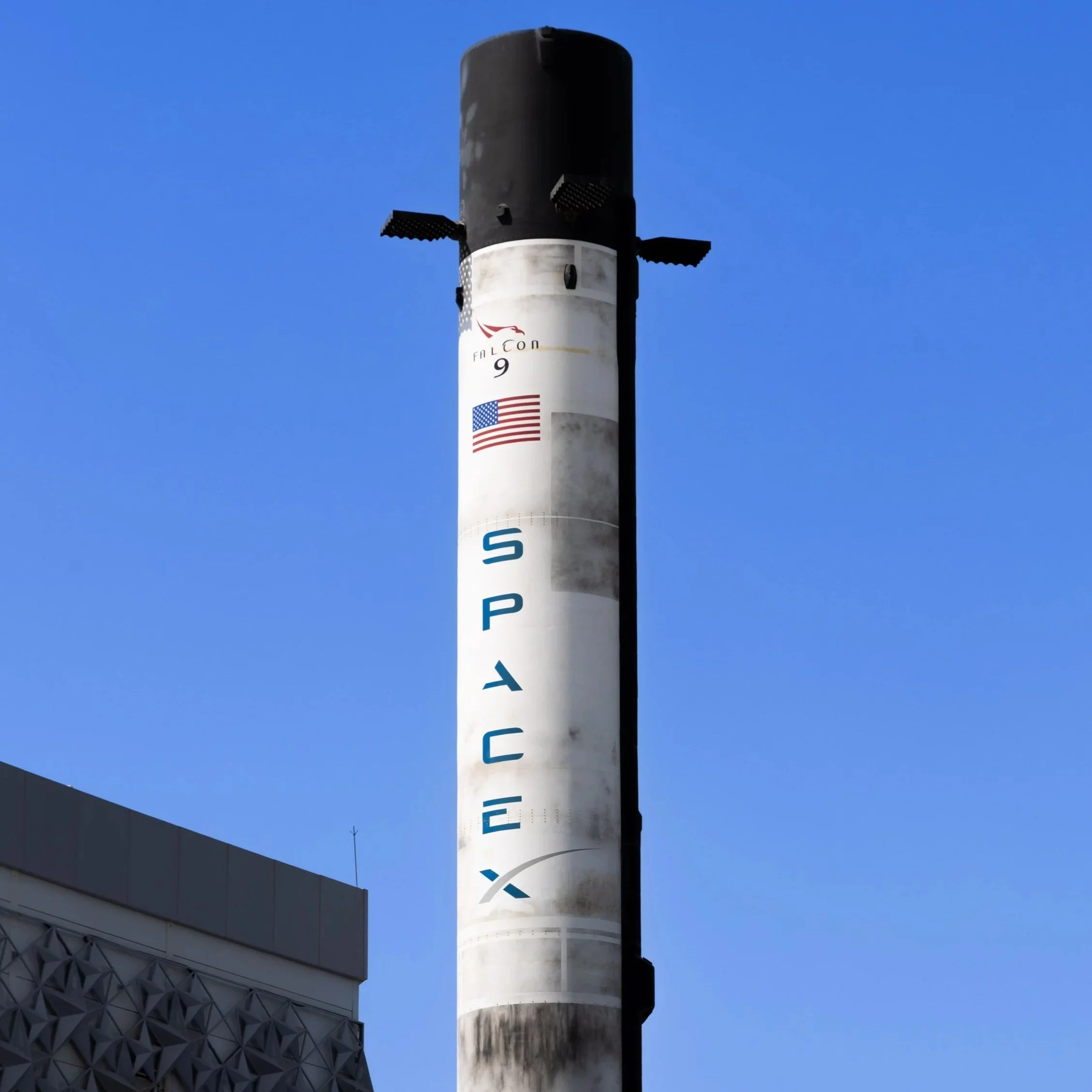
Photo Courtesy of iCliff Agendia- Pexels
On Sept. 28, SpaceX launched the Starship for the 14th time since the vessel’s initial construction was finalized, marking the vessel’s “first attempt to go to orbit” according to the SpaceX website. The website also states that the journey was the first time the Starship had “deliver[ed] meaningful payload to orbit,” that being the “26 Starlink V3 satellites” which were sent into orbit by the vessel. According to the Starlink website, Starlink V3 satellites are Starlink’s “next generation satellite,” the most sophisticated design the company has made which allows the network of satellites to “serve millions of more customers around the world with increasingly better service.”
As detailed on the SpaceX website, Starship is 407 feet in height, 29.5 feet in diameter, and has a payload capacity of over 100 tons, which allows the ship to be well suited for the craft’s goal of “carry[ing] both crew and cargo to Earth orbit, the Moon, Mars, and beyond.” Alongside this, the same website claims that the vessel has over 100 tons of payload capacity in a “fully reusable configuration,” rendering this fact an additional boon to the spacecraft’s goal of being able to transport both people and objects long distances, with the ability to make return missions. CNN emphasizes that the Starship is “the most powerful rocket ever made,” as well as the largest: the ship’s 407 feet in height is noticeably larger than the second tallest ship ever created—the Saturn V—which is 363 feet in height.
While successful in its goals of reaching orbit and deploying the Starling V3 satellites, the launch was not without its issues. As is recounted by AP News, “one of [Starship’s] engines shut down prematurely” as the vessel was traveling towards orbit; the vessel had already travelled far enough that the—now non-functioning—engine was not needed for the ship to reach orbit, so the vessel was able “to proceed as planned” and continue its journey upwards.
BBC reports that “The main goal of today was making the ship section of the rocket orbit Earth for the first time,” which the vessel was successful in, but not as successful as was initially planned for the mission. As also noted by the same report, the ship was only able to manage “two laps of the Earth—rather than the six that had been planned—before SpaceX decided to end the mission.” The analysis of the mission released on the SpaceX website claims that due to the failure of one of the Starship’s six engines the other five were burning for “longer than planned to compensate for the loss of thrust,” and due to this “the flight control team decided to limit the duration spent on orbit” to protect the five functional engines. People Magazine notes that Starship’s 14th “mission comes after Starship’s 13th flight on July 24, which also experienced engine issues,” possibly indicating a persistent issue with the engines of the Starship, which SpaceX is likely to continue trying to remedy throughout further testing.
Following the Starship’s descent back to earth, the ship landed in the Pacific Ocean as planned; however, as reported by The New York Times, the ship’s “leftover methane fuel ignited” upon its return which ended “its journey with a fiery explosion.” Despite all of the setbacks and issues the launch experienced, the SpaceX team is “delighted with how today went” as shared by BBC.