
Photo Courtesy of Nihongraphy- Pexels
Endangered no more: many species of animals, now facing extinction, just as the dire wolves did years ago, have the chance to be saved via the new, scientific method of creating new DNA. This could be a revolutionary step towards protecting the world's biodiversity.
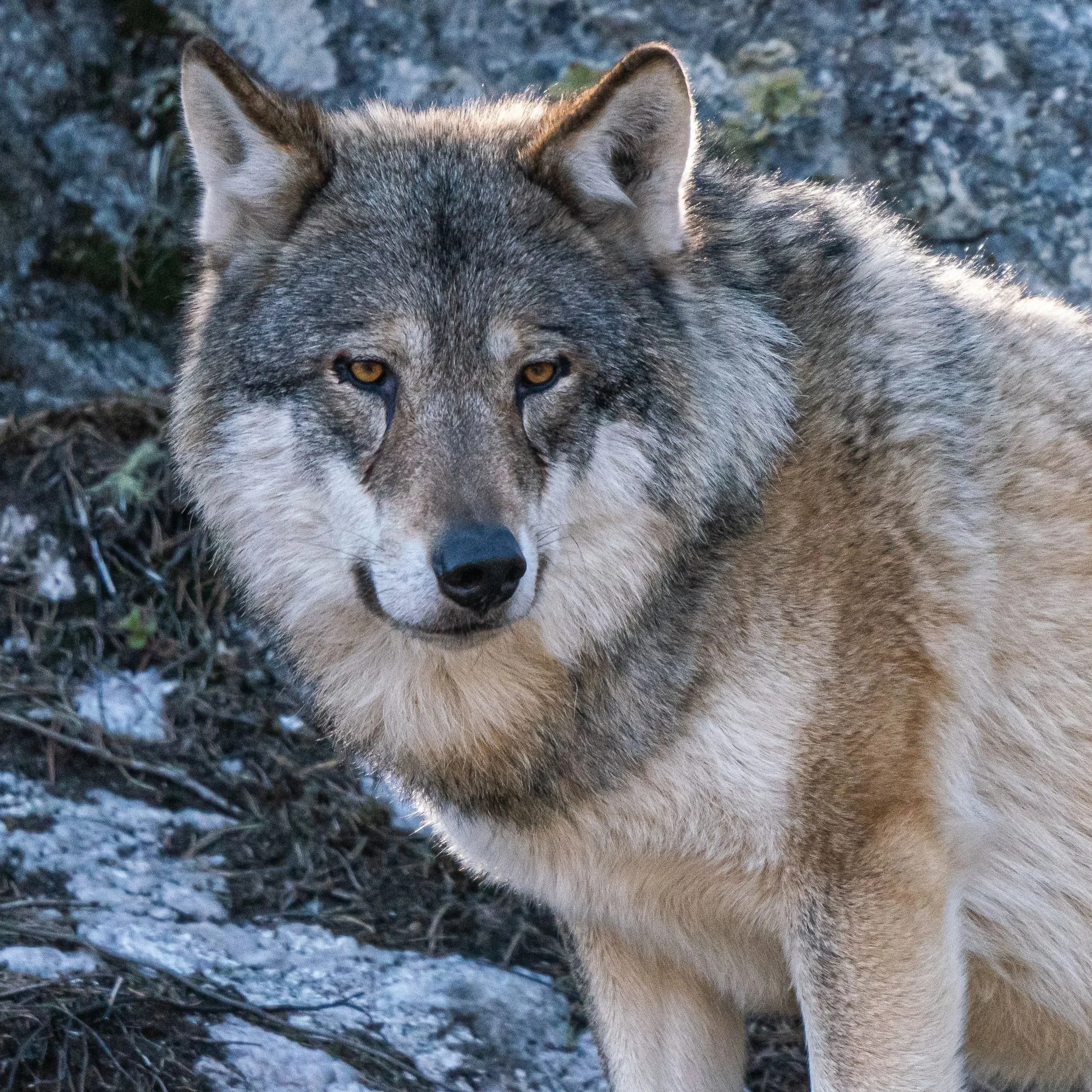
Around 10,000 years ago, the dire wolf went extinct. Now, scientists successfully genetically modified gray wolves into dire wolves by using viable strands of their DNA. With many species nearing extinction, proof of successful genetic modification revives hopes for many species’ recovery.
The National Park Service explains that dire wolves were the largest North American Late Pleistocene canids. Their fossils have been discovered across both North and South America, as well as in China; this has led to scientists believing they crossed the land bridge. The wide distribution of their fossils reveals how well-adapted this species was because it was not confined to one specific area. Dire wolves also had incredibly large skulls and their bite force was remarkably stronger than standard gray wolves. They are also characterized by their sleek, white fur, which was discovered during the genetic modification process.
According to The Tech Interactive, scientists have collected DNA from the remnants of dire wolves and used blood samples of gray wolves to begin the process. The process of reviving once-extinct species is run by a company called Colossal Biosciences, which is “the world’s only de-extinction company.” When editing the DNA, scientists made 20 modifications—a new record, according to CRISPR Medicine News. 15 of the modifications they made were on extinct variants of the gene and they had to successfully clone cells. This process was done using CRISPR, which is an approach to gene modification.
Gray wolves and dire wolves share “99.5 [percent] of their DNA code,” as detailed by CRISPR Medicine News. Colossal Biosciences’ Chief Science Office, Dr. Beth Shapiro, said, “Together with improved approaches to recover ancient DNA, these computational advances allowed us to resolve the evolutionary history of dire wolves and establish the genomic foundation for de-extinction––specifically for selecting with confidence dire wolf specific genetic variants that establish our targets for gene editing.”
Two years ago, two dire wolf pups were born through use of surrogacy; they were named Romulus and Remus. Shortly after that, Khaleesi—a female dire wolf—was born as well. At six months old, they were measuring at around four feet long and weighing 80 pounds, according to TIME Magazine. The location in which the wolves are being raised has not been announced to protect the wolves from outside influence.
Now, at the two year mark, these wolves have grown even bigger. Romulus weighs 134 pounds, Remus weighs 132 pounds, and Khaleesi weighs 102 pounds. Romulus and Remus also “measure nearly seven feet from nose to tail,” according to Colossal. Remus has become the group leader and there are plans to eventually introduce more dire wolves to the pack. They have access to wild game and hunt for their own food where they reside, according to USA Today.
Colossal Biosciences have plans to genetically modify and restore other species, including the woolly mammoth. Biodiversity is essential to the success of the earth and continuous species extinction is becoming a severe problem. Dr. Shapiro stated, “If we want a future that is both bionumerous and filled with people…we should be giving ourselves the opportunity to see what our big brains can do to reverse some of the bad things that we’ve done to the world already.”