
Parks are under pressure
Trump Administration blocks millions in funding from National Parks
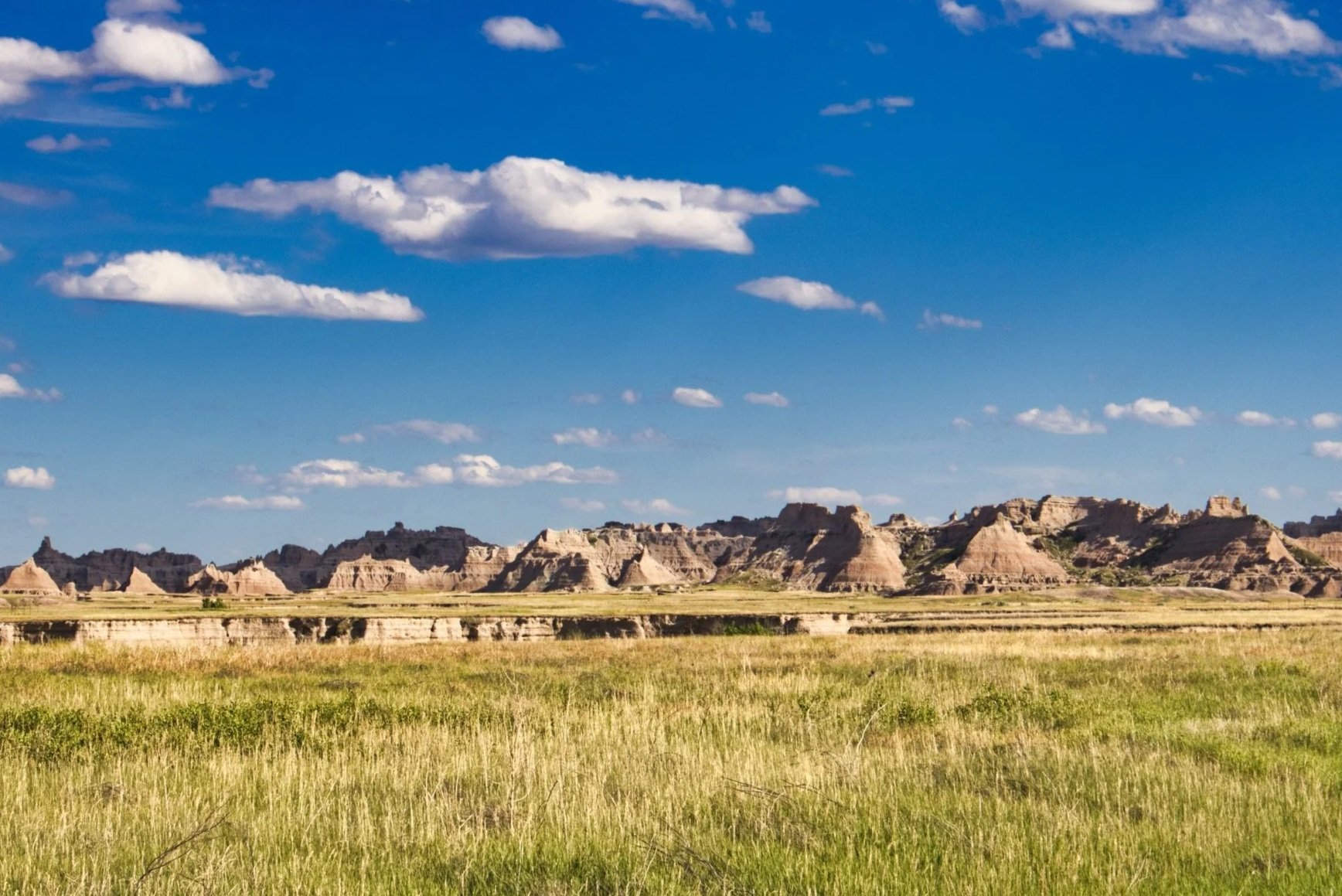
Photo Courtesy of Thomas Newland- Pexels
The National Park Service is facing funding setbacks on multiple fronts this month, as new internal documents cited by The Washington Post reveal the Trump administration has blocked tens of millions of dollars already secured for park projects, even as an increasingly larger battle continues to play out over next fiscal year’s budget.
According to The Washington Post, “The Trump administration has blocked more than 130 projects in national parks across the country worth at least $25 million, according to internal documents reviewed by The Washington Post—funding that had already been secured for some of the most visited parks for work such as fire preparedness in California, prehistoric mound protection in Iowa and sled dog care in Alaska.”
According to the same article, this funding had already been approved “through congressional appropriations, existing federal programs that fund activities such as fire prevention and recovery or competitive internal processes to fund the most pressing park needs.”
The blocked work spans dozens of parks, including some of the most visited in the system, according to sources such as The Hill. According to The Hill, Yellowstone, Yosemite, Zion, and Joshua Tree National Park were all impacted by the disapprovement of funds from the U.S. Interior Department. Joshua Tree National Park appears to have been hit hardest, with at least 10 agreements rejected, as per The Washington Post.
Joshua Tree National Park, according to the official National Park Service website, is in Southern California’s high desert where the Mojave and Colorado deserts meet. The park is known for its rock formations, dark nighttime skies, and the twisted trees that the park is named for. It draws millions of visitors a year for hiking, rock climbing and stargazing, and is one of the busiest parks in the system. According to their official website, “Joshua Tree National Monument was elevated to National Park status on October 31, 1994. The [Desert Protection] Bill also added 234,000 acres.”
The agreements rejected would have, per The Washington Post, “hired at least 16 people, helped recover areas in the park burned in wildfires and removed from historic buildings rodents that carry hantavirus.” The park documents also warn that without the work, wildfires there will burn larger and cost more to fight. “If this work is not completed, the park will be unable to fight wildfire. Fires will be larger and fire suppression will be more expensive,” the official governmental documents read of the issue.
An Interior Department spokesperson, Aubrie Spady, told The Washington Post that the agency had “disapproved agreements with organizations it considers to be working against the administration’s priorities.”This frames the move as ensuring taxpayer money aligns with goals such as expanding energy production and public-lands access.
These blocked projects are separate from, but are starting to, compound on a larger dispute over the Park Service’s 2027 budget. A Congressional Research Service report updated this month details that “The Trump Administration requested $2.206 billion in discretionary appropriations for NPS for FY2027. The request was 32% lower than NPS’s FY2026 discretionary appropriation of $3.267 billion [previously] enacted.”
According to that same Congressional Research Service report, the administration’s plan would eliminate discretionary funding for the Centennial Challenge account, cut the National Recreation and Preservation account by 93 percent, and its Historic Preservation Fund by 94 percent. The House Appropriations Committee has rejected that level of funding, instead proposing 3.225 billion dollars for NPS, which is just 1 percent below current funding and 46 percent above what the administration requested, with a far smaller, ten percent trim to the Historic Preservation Fund, per the same report.
When taken together, the blocked partnership agreements and the fight over next year’s budget point to the same underlying trend—that our National Park Services are seemingly being asked to do more with less.