
Goodnight Moon — and goodbye
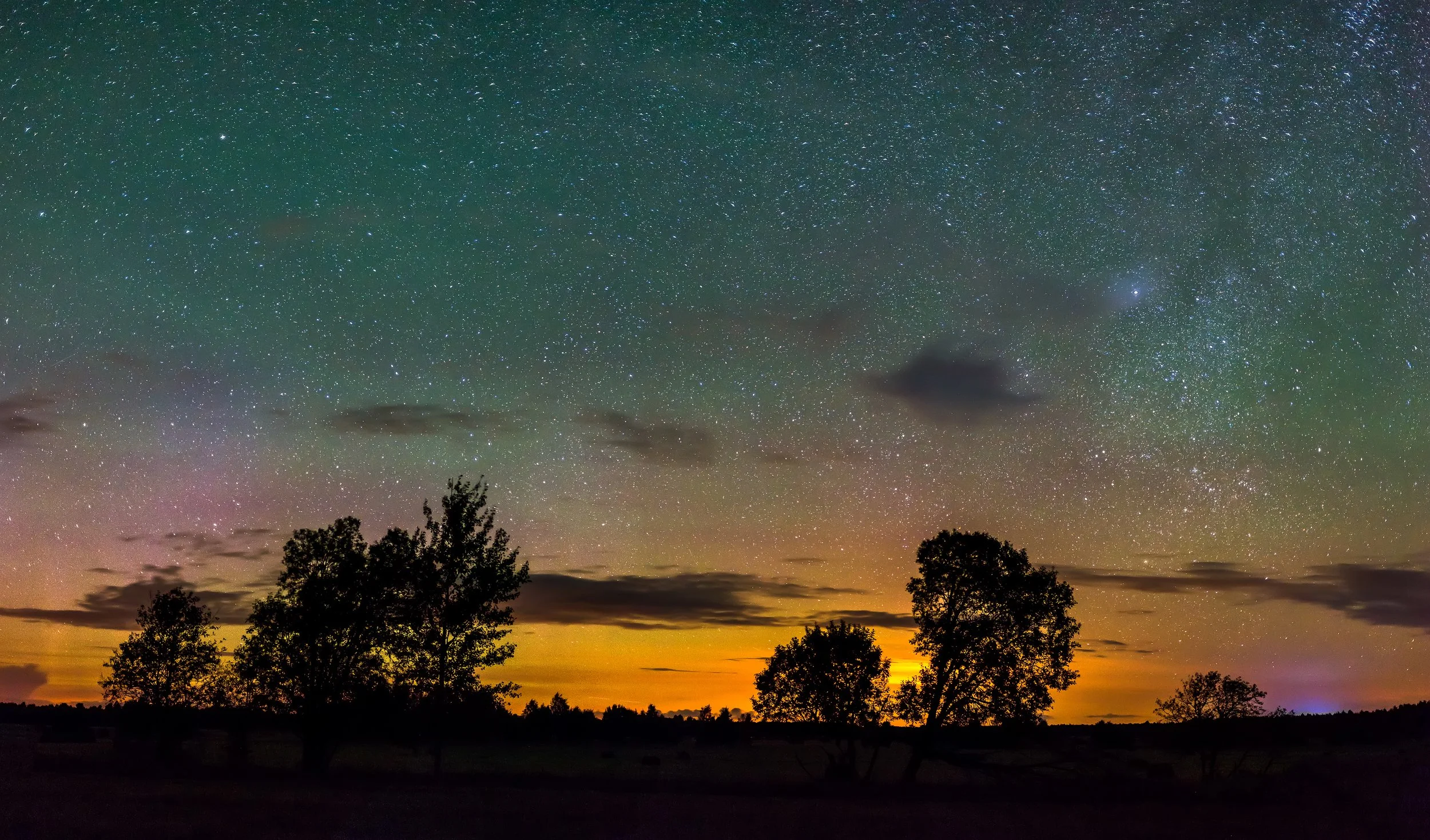
Photo courtesy of Kristian Pikner/Wikimedia Commons
On Mar. 23, 2026, the moon suddenly and mysteriously disappeared from Earth’s orbit. NASA scientists are shocked and confused at the moon’s sudden exit, which was never believed possible before the explosion of the sun. This sudden exit will radically change life on Earth in the near future, as the moon has an incredibly large and increasingly evident impact on the Earth.
According to Nebula News Network, losing the moon “will cause disastrous effects on our weather patterns and seasons.” This is mostly due to the fact that the moon slowed the rotation of the Earth, making our days and seasons longer and relatively predictable. Now, scientists are scrambling to predict the changes in seasonal patterns and how it will affect already endangered wildlife. The biggest issue we are currently facing, according to NASA scientist Rita Montalcini, is “attempting to determine the new length of days, as well as which regions will be most impacted by the anticipated seasonal changes,” as per The Daily Lantern.
It is likely that the new seasons and weather patterns will affect most of the world, with extreme weather events affecting regions that were previously untouched. This could mean hurricanes hitting in different times of year, or even in much higher latitudes than normal, droughts and extreme cold hitting regions that have not experienced these weather patterns, and more. The United States Gazette reports that “Congress has voted to set aside $1.2 trillion for foreseen infrastructure and emergency disasters,” passing through both the House and Senate in a record four hours. Officials are encouraging states, towns, and the people to be ready for unforeseen weather emergencies, urging all households to prepare disaster kits, as per Nebula News Network.
The moon also controls many of our tides, meaning that shipping delays are likely to occur. The United States Gazette reports “shipping delays can occur up to a week due to the changes in tides.” Much of our docking infrastructure is based on high tide, making it difficult for ships to safely reach the docks to unload. Until this infrastructure is adapted to the changes in tides, there is little evidence that shipping will return to normal rates.
Additionally, passengers on flights are being advised to expect unpredictable and harsher turbulence when flying. While the FAA is not currently advising against travel, it is important to understand that the risks associated with flying may increase along with an increase in turbulence and delays.
Socially, the loss of the moon also affects many religions globally. The Crescent Gazette explains that Islam, Hinduism, Judaism, and some forms of Paganism all rely on the moon in some capacity. These religions must now learn to amend their ideologies to fit a world without a moon. There are many rituals that rely on the moon, both in organized religion and in personal practices. Without the moon, these rituals must change and adapt to the changes in the world.
Scientists are still reeling from the shock of this sudden loss. While the loss of the moon has yet to be deemed a global emergency, it is important to watch for both extreme weather and emergency broadcasts. Global changes will continue to occur without the moon, with researchers and government officials working to keep up with the rate of change.