
Archaeological Updates: Richly decorated Zapotec tomb discovered in southern Mexico
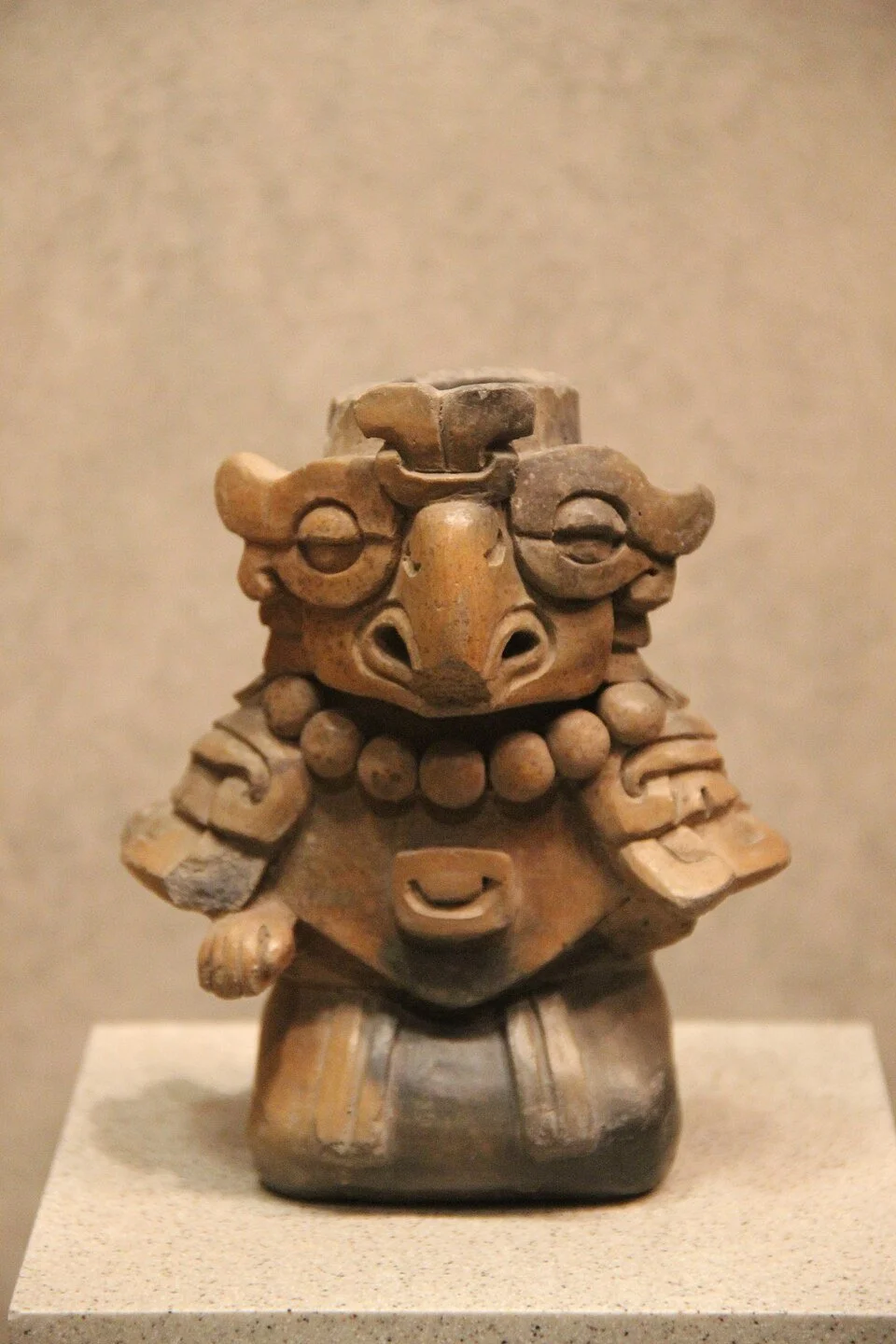
Photo courtesy of Gary Todd/Wikimedia Commons
Discovery helps archaeologists better understand the beliefs and practices of the ancient Zapotec civilization
In the Mexican state of Oaxaca in the municipality of San Pablo Huitzo, just northwest of the state capital of Oaxaca de Juárez, archaeologists from Mexico’s National Institute of Anthropology and History (INAH) have uncovered a 1,400-year-old tomb of the Zapotec civilization of southern Mexico, according to Live Science.
The Zapotec civilization arose around 500 BCE in the Valley of Oaxaca, dominating the region for centuries from their capital city of Monte Albán, according to World History Encyclopedia. While they would go into decline after 900 CE, and were ultimately conquered by the Spanish in 1521, the Zapotec people continue to live in Oaxaca to this day. According to Yale University, over 350,000 Zapotec—who call themselves the “Ben ‘Za” —live in the state of Oaxaca, remaining the state’s largest indigenous group.
Live Science reports that the Zapotec tomb of San Pablo Huitzo was discovered following the submission of an “anonymous report of looting at the site,” a fate that many uncovered Zapotec tombs have suffered over the past decade due to officials being unable to secure these sites for archaeological use. Yet, the San Pablo Huitzo tomb, which dates back to around 600 CE, exhibits a high degree of preservation and is richly decorated, according to the Cable News Network.
With regards to the tomb’s artwork and architecture, a large sculpture of an owl with a carved and painted face of a man held within its beak was found sitting above the entrance to the antechamber, according to the Cable News Network. To the ancient Zapotecs, owls represent night and death, and researchers believe the man depicted to be the owner of the tomb, as stated by Archaeology Magazine.
Traveling further into the tomb, archaeologists found a lavishly decorated doorway that separates the antechamber from the funerary chamber, which included a series of “calendrical names” engraved over the doorway, that served as a “naming system in which deities and important people were given a specific symbol associated with their birth date,” as explained by Live Science. Flanking the entryway stand two carved figures—a man and woman wearing headdresses and holding objects in both of their hands—who are believed to have served as guardians of the tomb, as Archaeology Magazine reports.
The funerary chamber itself contains a multicolored mural that depicts a funerary procession, wherein there were people carrying bags of “copal,” which served as an incense during ceremonies by the ancient Zapotec, as stated by Live Science.
Speaking of the discovery herself, Mexican President Claudia Sheinbaum considered it “a source of pride for Mexicans; a testament to the greatness of Mexico.” Quoted by Live Science, Mexican Secretary of Culture Claudia Curiel de Icaza shared similar sentiments, explaining how the San Pablo Huitzo tomb is an “exceptional discovery due to its level of preservation and what it reveals about Zapotec culture: its social organization, its funerary rituals, and its worldview, preserved in its architecture and mural paintings.”
More work needs to be done to both preserve the site and continue research on it, which, according to Live Science, is currently being undertaken by an interdisciplinary team from the INAH. Archaeology Magazine reports that the team has been working to stabilize the tomb’s microclimate and preserve the mural, which the Cable News Network states is in a “‘fragile state’ due to the impact of tree roots, insects and rapid changes in environmental conditions.” According to Live Science, the INAH’s ongoing research and analysis center around the tomb’s iconography, and the human bones and ceramics that have been found inside.
Researchers hope that the discoveries made at this tomb will improve our understanding of the ancient Zapotec, with the San Pablo Huitzo tomb already being recognized as “one of the most significant archaeological findings in Mexico in the past decade.” According to Greek Reporter, this discovery helped unveil the ancient ritual practices and belief systems adhered to by the ancestors of Mexico’s modern Zapotec people.