
A clouded leopard was born at the Nashville Zoo
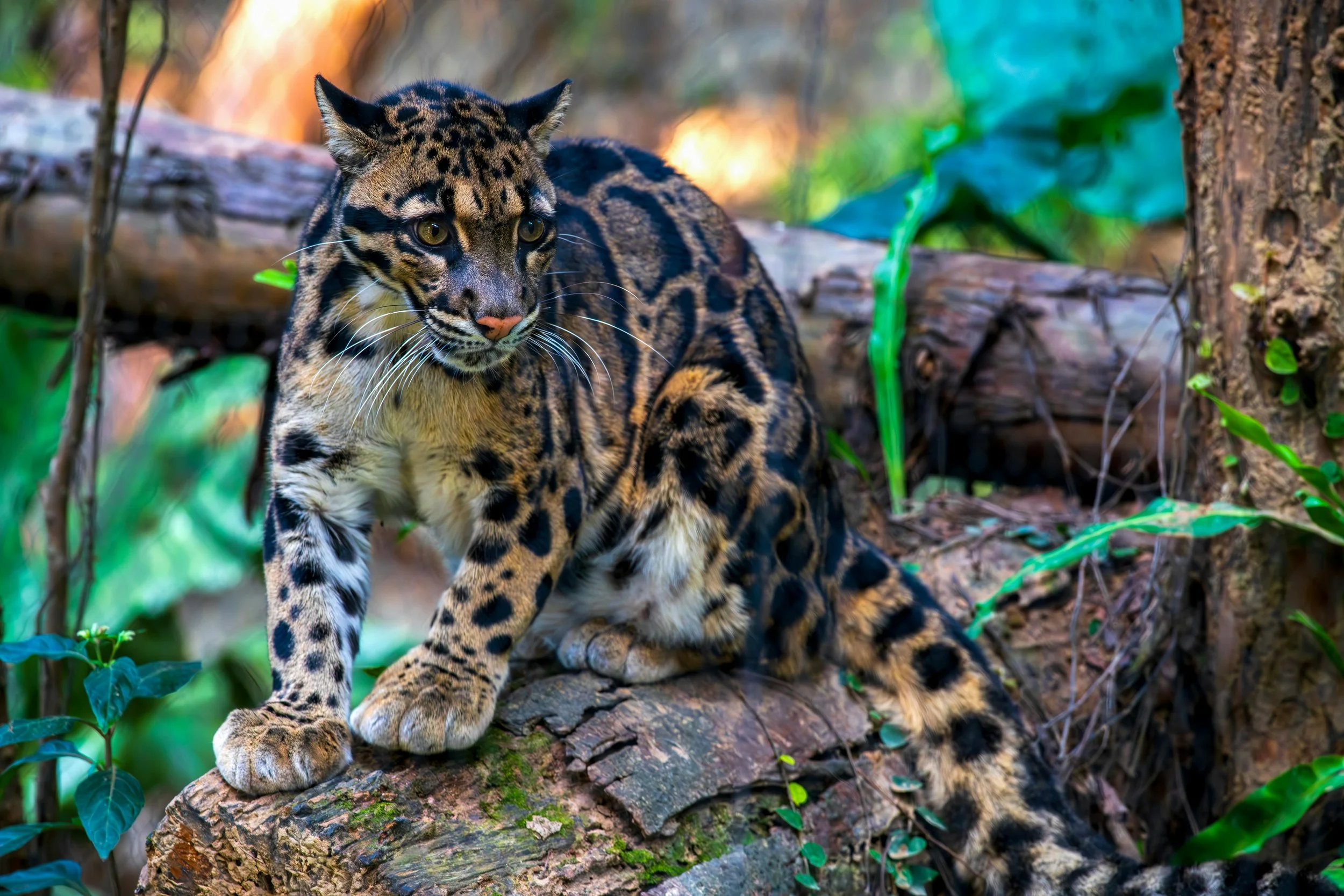
Photo courtesy of Klub Boks/Pexels
The clouded leopard is one of many species that have unfortunately become endangered, thanks to the irresponsible and often downright cruel actions of humans. These tree-dwelling cats are supposed to be found throughout the rainforests of Asia, however, an article from Global Conservation confirms that they are officially classified as a vulnerable species by the International Union for the Conservation of Nature (IUCN).
According to an article from the Smithsonian’s National Zoo and Conservation Biology Institute, one of the greatest threats to the clouded leopard is that of illegal poaching. In fact, the article states, “clouded leopard pelts are the most commonly seen pelts on the illegal market.” If that was not bad enough, clouded leopards also face the threat of deforestation, like many other species in the rainforest.
According to Global Conservation, it is estimated that approximately 10,000 clouded leopards are left in the wild. If something is not done, that number is only going to decrease, as there have not been many strong conservation efforts to protect these beautiful creatures.
One organization that has made a particularly notable effort to conserve the clouded leopard species is the Nashville Zoo. According to the Nashville Zoo’s website, it and many other zoos, such as the Khao Kheow Open Zoo, make up the Clouded Leopard Consortium and the Clouded Leopard Species Survival Plan. These organizations are making an effort to breed clouded leopards in captivity, which is no easy feat with solitary animals such as these. Luckily, these efforts have been paying off, and the Nashville Zoo alone has been able to bring a total of 50 clouded leopards into the world since 1991.
In fact, the 50th clouded leopard cub was born last month. According to the Nashville Zoo, the cub is female and was born on Mar. 18, 2026. She has three older siblings that Nashville Zoo was successfully able to protect in the past, which is a testament to the success of the zoo’s conservation efforts. According to NewsChannel 5, the cub will not be ready to be set into the usual clouded leopard enclosure for a few more weeks. Possibly for the same reason, the cub does have a name of her own yet. However, Nashville Zoo is a vote on possible names later down the line, likely when the cub makes her debut in the clouded leopard exhibit for the masses to see, according to the same NewsChannel 5 article.
In the meantime, WKRN, a local Nashville news source, confirmed that the Nashville Zoo is allowing guests to see her while she grows through the windows that show the nursery of the zoo’s HCA Healthcare Veterinary Center. It is not only people at the zoo who will get this opportunity to see her in this nursery, as there is also a live camera footage of the nursery being shown on the Nashville Zoo’s website on the page dedicated to the HCA Healthcare Veterinary Center.
It is great news that the Nashville Zoo has been able to make progress in increasing the population of clouded leopards. This newborn cub is a sign of hope for the future. However, there is still more that needs to be done in order to help this species. Even without working directly at a zoo or a conservation center, those interested can still help by donating to organizations like the Nashville Zoo that are helping the species. According to the Nashville Zoo’s website, consumers can also help by watching their purchases. A lot of everyday products include ingredients like palm oil, which damages rainforests in the process of sourcing. Not buying products with palm oil is a small action anyone can take to help the clouded leopard species.