
Thinking together: Inside Geneseo’s Philosophy Club
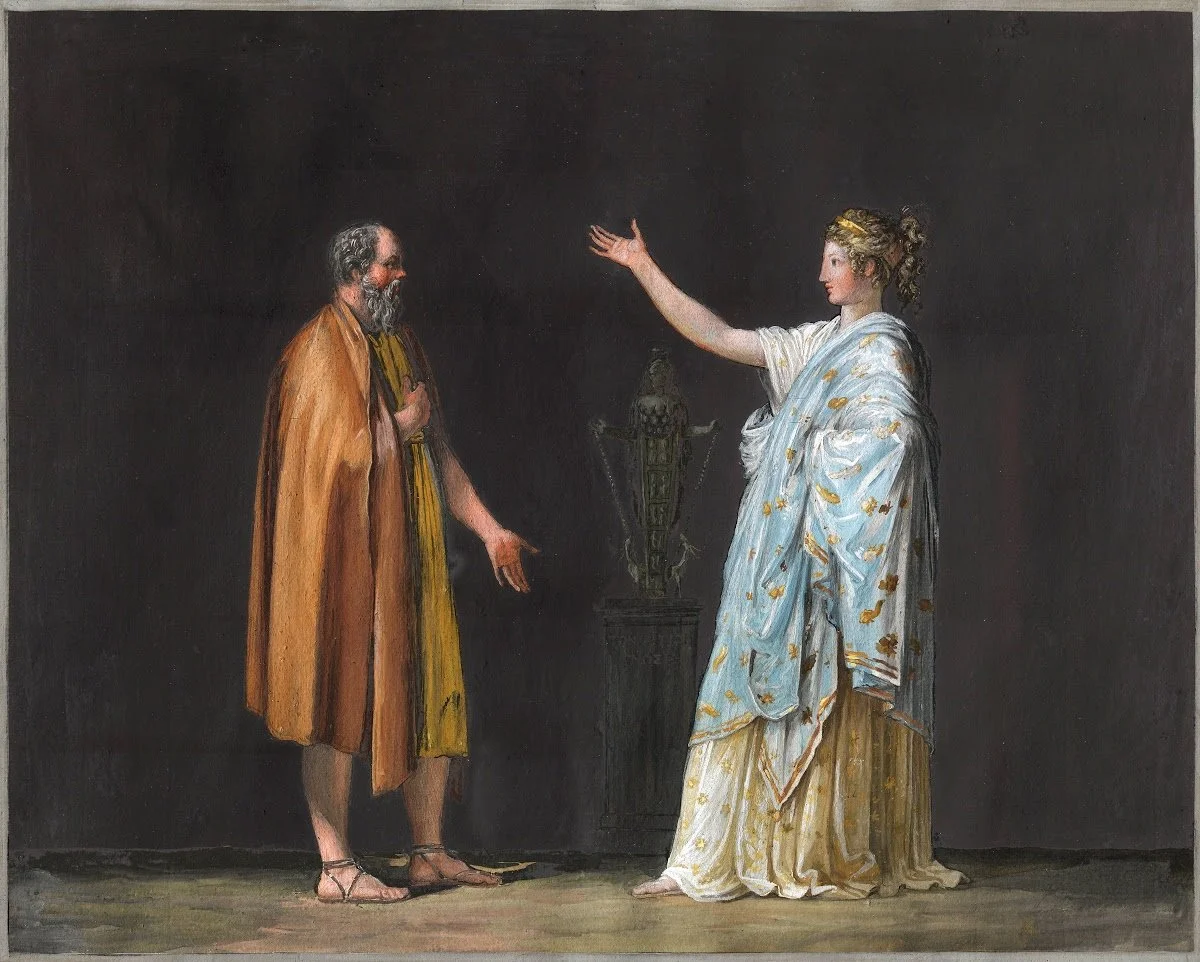
Photo courtesy of Goggle Arts & Culture/Pexels
You don't have to be a philosopher to philosophize with this club! They welcome all newcomers.
On a campus filled with deadlines, rehearsals, and packed schedules, finding a space devoted purely to conversation and reflection can feel rare. Geneseo’s Philosophy Club offers exactly that: a welcoming environment where students and professors can come together to explore ideas, ask difficult questions, and think collectively—without the pressure of grades or expectations.
The Geneseo Philosophy Club meets on Thursdays from 7 to 8 p.m. in Welles 111 and is open to students of all majors and backgrounds. Rather than functioning like an extension of a philosophy course, the club emphasizes voluntary participation, curiosity, and respectful dialogue. As member Rachael Garvey explains, the club allows people to “find fun ways to discuss things that may otherwise be ‘deep’ and ‘existential.’”
Garvey joined the club this semester after wanting to attend for some time but having previously been held back by scheduling conflicts. When she was finally able to make it to a meeting, she found the environment she had been hoping for. She said, “I was looking for a group of people who respectfully shared opinions, came up with creative and unique ideas, and found fun ways to discuss things…I was lucky enough to find all of this to be true in Philosophy Club; it makes life a lot less boring.”
One of the defining features of Geneseo Philosophy Club is that attendance is entirely optional—yet consistently strong. Garvey noted that this freedom actually makes participation more meaningful. She explained, “It isn’t a class, it’s not mandatory, but that just makes me want to go more…I love that people choose to discuss philosophy.”
The club is currently led by Stella Fratti, who became president after joining midway through the Fall 2024 semester. Fratti emphasized that the club prioritizes openness and mutual respect, especially when conversations involve disagreement. She explained, “I love how Philosophy Club can create a very safe space and respectful place for discussion…We can talk regardless of opinions and understand that all opinions are respectful and heard, whether people agree with them or not.”
Another distinctive aspect of the club is its integration of faculty into discussions. Professors often attend meetings, present topics, or participate in conversations—not as authority figures, but as equals. Fratti highlighted this dynamic, saying, “Our club can have discussions between both professors and students speaking on equal ground,” which helps foster a sense of shared intellectual community.
Meetings vary in structure from week to week. Some feature presentations by professors or students, while others are more interactive, including philosophy-based games designed to spark conversation. Topics range widely, from playful and seasonal discussions like “The Tale of Frankenstein: What Makes a Monster” to more serious and complex questions such as “Must Catholicism Lean Politically Left or Right?” This range allows members to engage with philosophy in ways that feel both accessible and challenging.
Garvey described the scope of discussion as inclusive, explaining that meetings cover “specific philosophical topics, general topics that could apply to anyone and any major, and ethical and moral conflicts.” The atmosphere is intentionally low-pressure, making it easy for newcomers to participate or simply listen. And, as Garvey added, “Another activity is eating snacks—we also do that.”
At its core, Philosophy Club is about building community through conversation. Fratti emphasized the importance of having a space dedicated to thoughtful discussion, saying, “I love the community we can build with the students and professors, and I think it’s really important for us to have this space to have these kinds of discussions.”
For students who may feel intimidated by philosophy or unsure whether they “belong,” both Garvey and Fratti stress that no prior experience is necessary. Philosophy Club is designed to be welcoming, inclusive, and driven by curiosity rather than expertise.
Students interested in learning more can follow @geneseo_phil_club on Instagram for meeting updates and upcoming topics. The club meets every Thursday from 7 to 8 p.m. in Welles 111, and new faces are always encouraged to stop by.