
SUNY Geneseo’s new program: Science, Technology, and Society Studies
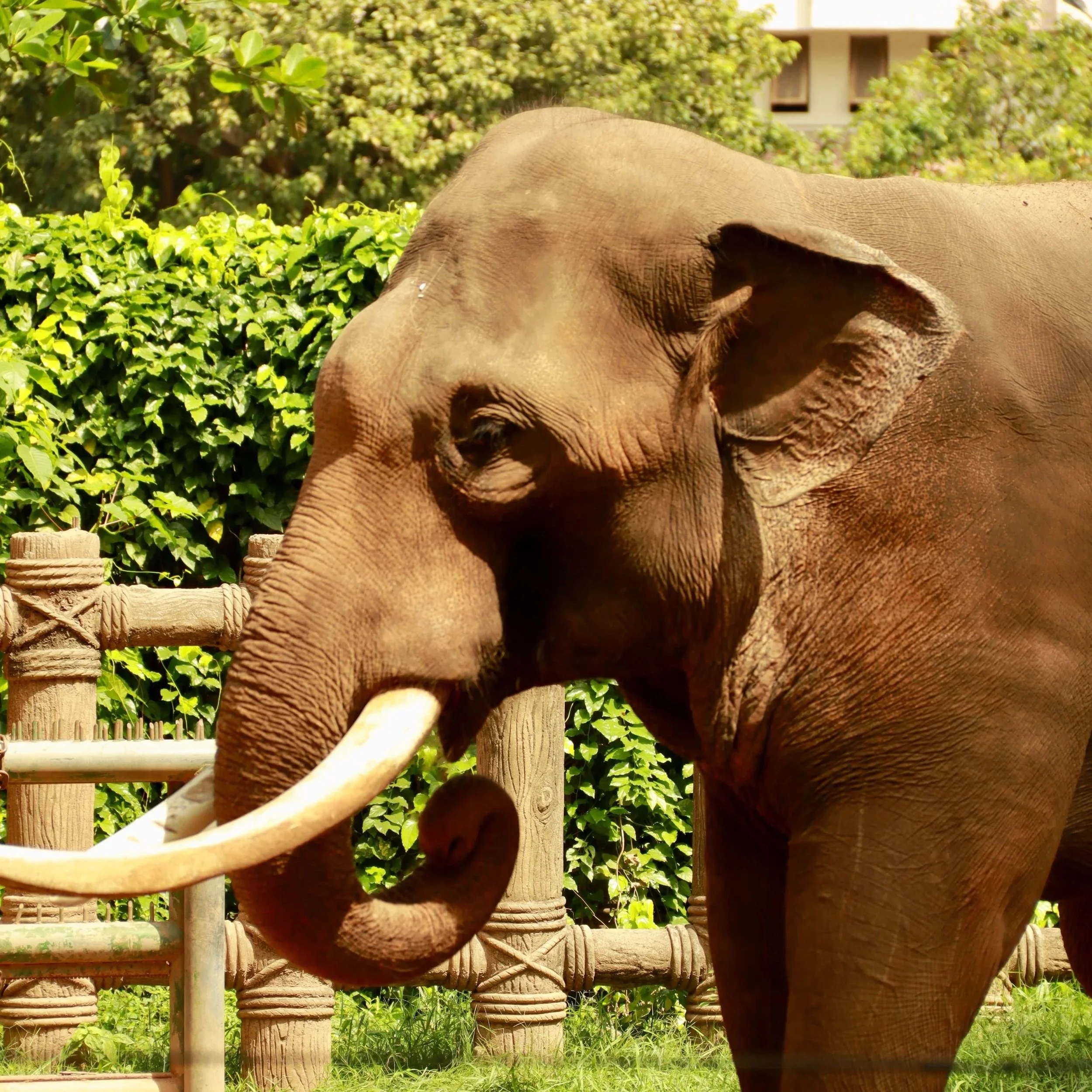
Photo Courtesy of Tuan Vy- Pexels
Starting in fall of 2026, SUNY Geneseo began offering students the opportunity to take three new interdisciplinary programs of study: Applied AI for Business (minor); Climate Change Studies (minor) and Science, Technology, and Society Studies (minor and microcredential), as explained on the SUNY Geneseo website. While the programs were already available at the start of the current semester, SUNY Geneseo professors continue to suggest students add these programs to their studies.
On Oct. 2, I was able to attend a brief presentation about the details of SUNY Geneseo’s new Science, Technology, and Society Studies minor and microcredential. The three presenters provided unique insights into the program, as they all have different fields of research and study. The presentation was given by Dr. Amanda Lewis-Nang’ea, who regarded the discussion “in the context of culture and politics”; Dr. David Levy, who spoke about “tradition, religion, and nature in the modern scientific turn” as well as Galileo’s research; and Dr. Katie Cann, who explained the “formation and importance of the Intergovernmental Panel on Climate Change” (IPCC), according to the SUNY Geneseo website.
The presentation began with historian Dr. Amanda Lewis-Nang’ea; she introduced some of the topics that students are likely to research as a part of the program through a focus on the culture and politics regarding elephants in northern Kenya. She began by emphasizing her own love of animals and their history, a love clearly shown throughout her presentation. She introduced elephants by highlighting their intellect and shared that elephants in northern Kenya use 35 different plants medicinally, 25 of which are also used by humans medicinally; she shared her belief that research into the 10 plants not used by humans could be valuable, as it is possible that they could also serve a medicinal purpose for humans.
She went on to tell the story of “Odinga,” an elephant that was known locally in a region within Kenya, seen as a peaceful part of their society as it coexisted with the people there; the elephant was legally hunted and killed by an Englishman. Dr. Lewis-Nang’ea detailed the impacts that this had both politically and culturally: politically, debate ensued regarding the legality of the elephant’s death; culturally, the lives of the people near the elephant’s home were impacted by its death.
The next person to speak was Dr. David Levy, who is a philosophy professor. He explained the philosophy topics students may be able to study if they decide to pursue the new program. He began by talking about the history of philosophy, and how views of philosophers have changed from the “old model” to the “new model” over time. He explained that in the old model, nature was viewed as something purposeful, and that everything took place in relation to the other aspects of nature based on “God’s plan”; he then compared that plan to the new model, a model where change in nature is not seen as governed by purpose, but rather by mechanical operations.
Dr. Levy went on to debate the implications that the changes in beliefs have; he explained that when philosophical concepts first began to be questioned, traditional authority was also questioned and seen as something that is subject to challenge in its entirety. He explained how advancements in technology led to traditional beliefs being challenged, all the way back to Galileo discovering the changes in the moon, which challenged the geocentric model of the universe. He mentions that the program is likely to cover some of these concepts, as well as the “history of science and the history of how that history has changed.”
The final professor to speak was Dr. Katie Cann, an assistant professor of geography and sustainability studies. She began by introducing the Intergovernmental Panel on Climate Change (IPCC) as a “global climate governance” within the United Nations established in 1988. The assessment body creates and publishes global assessments every five to seven years; the reports detail the physical changes in the climate, the impacts of the changes, adaptations made in response to the changes, and suggestions for vulnerability mitigation for people globally. She spoke about the rapid pace of global warming and how despite the IPCC’s continuous reports about the growing risks and damages, the organization has rarely impacted any policy or decision making.
Dr. Cann addressed the concept of “globalizing the atmosphere,” which is seeing an increasing amount of support as more people desire global cooperation on climate change issues. However, “the essential meaning of climate is often divorced from cultural relations,” meaning global cooperation is generally sparse.
The Science, Technology, and Society Studies program is offered as both a minor and a microcredential, the former requiring 17-20 credits of coursework and the latter requiring 11-12. The program only has one required course—INTD 127, “Introduction to Science, Technology, and Society Studies”—which is being offered this upcoming spring semester, and will likely be offered every spring semester going forward. If pursuing a minor through the program, you will only need nine credits unique to the program, meaning that many students are likely to already have some credits completed that could count towards the minor.
The SUNY Geneseo website advertises the program as supportive for a career in “public policy, environmental advocacy, health care, communications, education, and technology,” but the professors speaking at the lecture all agree that the knowledge one could gain from the program could be helpful in many more fields.